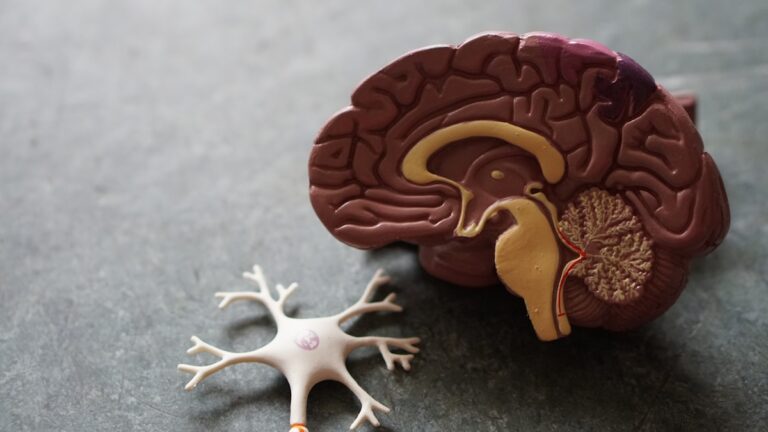
Cerebral palsy (CP) is a neurological disorder caused by brain injury or abnormal brain development, often before or during birth, leading to impaired muscle coordination and movement. Despite these challenges, many athletes with cerebral palsy have achieved remarkable success in sports, inspiring others and breaking barriers. This article explores some of the most famous athletes with cerebral palsy, highlighting their achievements and the nature of their condition with reference to authoritative sources.
**Understanding Cerebral Palsy and Its Impact on Athletes**
Cerebral palsy results from damage to the developing brain, often due to insufficient oxygen supply (hypoxia) around birth, leading to motor impairments that vary widely in severity. Some individuals experience stiffness (spasticity), muscle weakness, or coordination difficulties, which can affect walking, balance, and fine motor skills. The condition is non-progressive but permanent, meaning symptoms remain stable though individuals can improve function through therapy and training [2].
Athletes with cerebral palsy often compete in Paralympic sports, where classifications ensure fair competition based on functional ability. Many excel in track and field, swimming, football, and other disciplines, demonstrating extraordinary determination and skill [3].
**Notable Athletes with Cerebral Palsy**
1. **Esther Cruice (now Jones)**
Esther Cruice is a celebrated Paralympic athlete known for her achievements in track and field events. She has cerebral palsy and has competed at high levels, representing the strength and capability of athletes with CP. Her success has helped raise awareness about cerebral palsy in sports and inspired many young athletes [3].
2. **India Reynolds**
India Reynolds is a Special Olympics athlete with cerebral palsy who competes in track events. Her joyful and determined approach to racing exemplifies the spirit of athletes with CP. She participates in Unified Sports, which bring together athletes with and without intellectual disabilities, fostering inclusion and teamwork [5].
3. **Jeffrey Bergeman**
Diagnosed with cerebral palsy after a cardiac arrest caused brain damage, Jeffrey Bergeman competes in cross-country running with the support of his sister, Susan. Their story highlights how family support and adaptive teamwork can enable athletes with CP to participate in competitive sports despite physical challenges [4].
4. **Matthew Walzer**
Matthew Walzer, born prematurely and diagnosed with cerebral palsy due to brain injury from oxygen deprivation, has advocated for accessibility in sports gear, such as shoes designed for people with limited hand flexibility. His efforts underscore the importance of adaptive equipment in enabling athletes with CP to engage fully in sports [2].
**Oscar Pistorius and the Distinction from Cerebral Palsy**
While Oscar Pistorius is a famous athlete with a physical disability, it is important to clarify that he does not have cerebral palsy. Pistorius was born without fibula bones in his lower legs and had both legs amputated below the knee as an infant. He became the first amputee to compete in the Olympic Games in 2012, earning the nickname “Blade Runner” for his carbon-fiber prosthetic blades. His story is often cited in discussions about athletes with disabilities but is distinct from cerebral palsy, which involves neurological impairment rather than limb loss [1].
**The Role of Sports Organizations and Unified Sports**
Organizations like the Special Olympics and Paralympics provide platforms for athletes with cerebral palsy to compete and showcase their talents