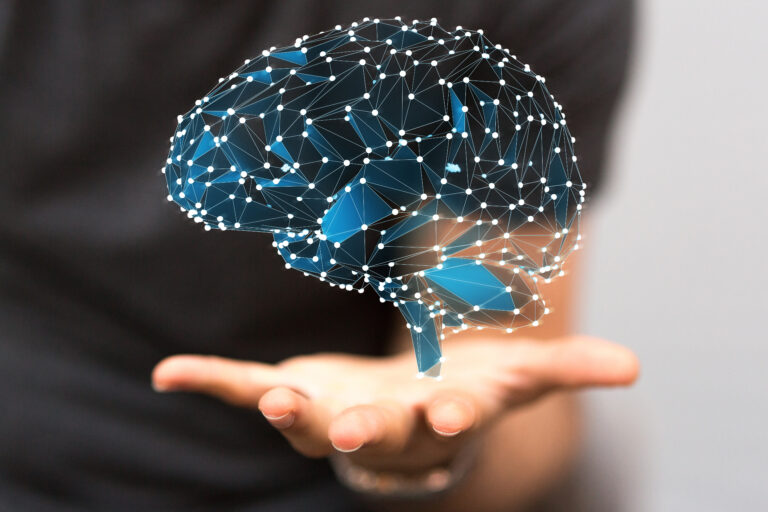
Stem cell treatments are emerging as a promising and largely untapped avenue for addressing some of the complex challenges associated with autism spectrum disorder (ASD). Autism is a neurodevelopmental condition characterized by difficulties in social interaction, communication, repetitive behaviors, and sometimes sensory processing issues. Traditional therapies focus on behavioral interventions and supportive care, but stem cell therapy offers a fundamentally different approach by potentially targeting underlying biological mechanisms.
At its core, stem cell therapy involves using cells that have the unique ability to develop into various types of specialized cells and to promote repair and regeneration in damaged tissues. In the context of autism, researchers and clinicians are exploring how stem cells might help by modulating the immune system, reducing inflammation in the brain, and stimulating the repair or growth of neural connections that are often atypical in individuals with ASD.
One of the key ideas behind stem cell treatment for autism is the concept of **immune modulation**. Many studies suggest that immune system dysregulation and chronic inflammation in the brain may play a role in the development or severity of autism symptoms. Stem cells have immunomodulatory properties, meaning they can help regulate immune responses and reduce harmful inflammation. This could create a more favorable environment for brain function and development.
Another important mechanism is **neuroregeneration and synaptic plasticity**. Synaptic plasticity refers to the brain’s ability to form and reorganize connections between neurons, which is essential for learning, memory, and adapting to new experiences. Stem cells may enhance this plasticity by promoting the growth of new neurons or supporting the function of existing ones. This could lead to improvements in cognitive functions, communication skills, and social behaviors.
Clinical studies, although still in early stages and often involving small groups, have reported encouraging results. For example, children with autism who received stem cell treatments derived from their own bone marrow showed improvements in social interaction, emotional responses, communication, and behavior. Brain imaging before and after treatment revealed increased metabolic activity in regions that were previously underactive, suggesting enhanced brain function. These improvements were observed months to years after treatment, indicating potential long-term benefits.
Patients have demonstrated better eye contact, more expressive communication, improved sleep patterns, and enhanced motor skills following stem cell therapy. Some also experienced a reduction in repetitive behaviors, which are a hallmark of autism. Importantly, the degree of improvement varies from person to person, reflecting the unique nature of autism and individual biological differences.
The administration of stem cells in these studies has been done through various methods, includin