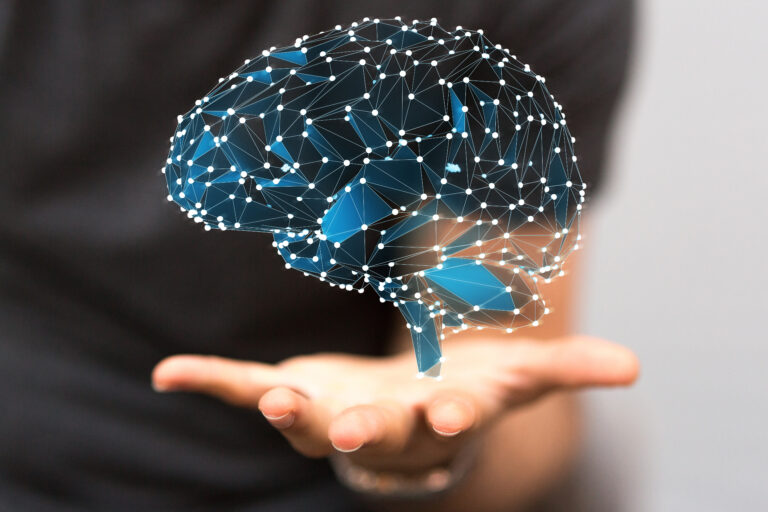
Ritalin, known scientifically as methylphenidate, is a stimulant medication widely prescribed to children diagnosed with Attention-Deficit/Hyperactivity Disorder (ADHD). It works primarily by increasing the levels of dopamine and noradrenaline in the brain, neurotransmitters that play key roles in attention, impulse control, and executive functioning. By blocking the reuptake of these chemicals, Ritalin helps improve focus, reduce hyperactivity, and enhance self-control, particularly in the prefrontal cortex—the brain region responsible for decision-making and attention regulation.
When considering whether Ritalin could potentially affect long-term brain development in children, it is important to understand both how the medication interacts with the developing brain and what current research suggests about its effects over time.
The developing brain in children is highly plastic, meaning it can change and adapt in response to experiences and environmental factors. This neuroplasticity allows the brain to form new neural connections and strengthen existing ones. ADHD itself is associated with differences in brain structure and function, especially in areas related to attention and impulse control. Stimulant medications like Ritalin are thought not only to alleviate symptoms temporarily but also to promote healthier brain function by enhancing the efficiency of neural pathways involved in executive functions.
Some studies and expert opinions suggest that Ritalin may actually support long-term brain development by helping the brain “learn” to focus better. This is because consistent use of the medication can strengthen the prefrontal cortex’s ability to regulate attention and behavior, potentially leading to improved cognitive control even when the medication is not being taken. This process is linked to neuroplasticity, where the brain adapts and reorganizes itself based on repeated experiences, including the enhanced focus facilitated by medication.
Moreover, early and appropriate treatment with Ritalin has been associated with benefits beyond symptom control. For example, children treated with stimulant medications tend to have a lower risk of developing substance abuse problems later in life. This protective effect is believed to arise because the medication helps normalize dopamine systems in the brain, reducing the likelihood that the child will seek out addictive substances to self-regulate.
However, concerns about long-term effects remain a topic of ongoing research and debate. Since Ritalin is a central nervous system stimulant, there is a theoretical risk that altering neurotransmitter levels during critical periods of brain development could have unintended consequences. Some worry about potential impacts on growth, emotional regulation, or brain maturation, but current evidence does not conclusively sho