Could Painkillers Sold As Safe Be Autism’s Root Cause?
When we think about painkillers, most of us imagine a quick fix for headaches, muscle aches, or even more serious pains. They are everywhere—over-the-counter in pharmacies, in medicine cabinets, and recommended by doctors. They promise relief and are often seen as safe and routine. But what if some of these painkillers, especially those sold as safe, could be linked to something much deeper and more complex, like autism? This idea might sound surprising or even alarming, but it’s worth exploring carefully and thoughtfully.
### Understanding Autism and Its Complexity
Autism, or autism spectrum disorder (ASD), is a developmental condition that affects how a person communicates, interacts socially, and processes information. It’s called a “spectrum” because it shows up in many different ways and degrees. Some people with autism might have difficulty speaking or understanding social cues, while others might be very skilled in certain areas but struggle with sensory sensitivities or repetitive behaviors.
Scientists and doctors have been trying to understand what causes autism for decades. It’s clear that genetics play a big role, but genetics alone don’t explain everything. Environmental factors, prenatal conditions, and even the timing of certain exposures during pregnancy or early childhood are also thought to influence the development of autism.
### The Role of Painkillers in Modern Medicine
Painkillers, also known as analgesics, come in many forms. Some are natural, like aspirin derived from willow bark, and others are synthetic, like acetaminophen (Tylenol) or ibuprofen (Advil). These drugs work by blocking certain chemicals in the body that cause pain and inflammation.
Because painkillers are so common and widely used, they are generally considered safe when taken as directed. However, “safe” doesn’t mean “without any risk.” Every medication has potential side effects, and some effects might not be fully understood, especially when it comes to long-term or prenatal exposure.
### The Connection Between Painkillers and Autism: What Could It Be?
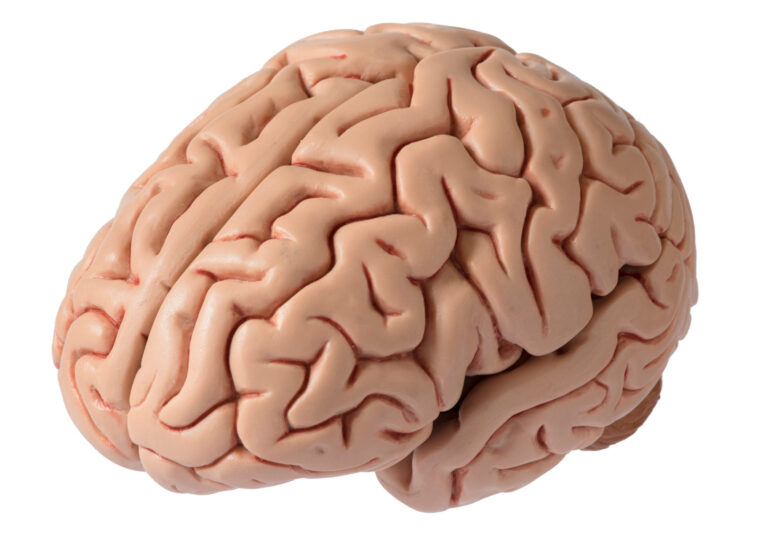
One of the key questions is whether painkillers, especially those taken during pregnancy, could affect the developing brain of a fetus in ways that increase the risk of autism. This idea is based on several observations and scientific clues:
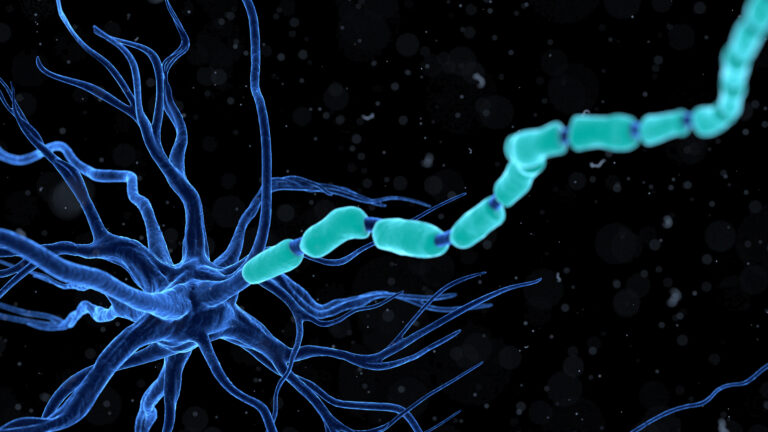
1. **Brain Development and Chemical Exposure:** The brain develops rapidly during pregnancy and early childhood. It is very sensitive to chemicals and substances that cross the pla