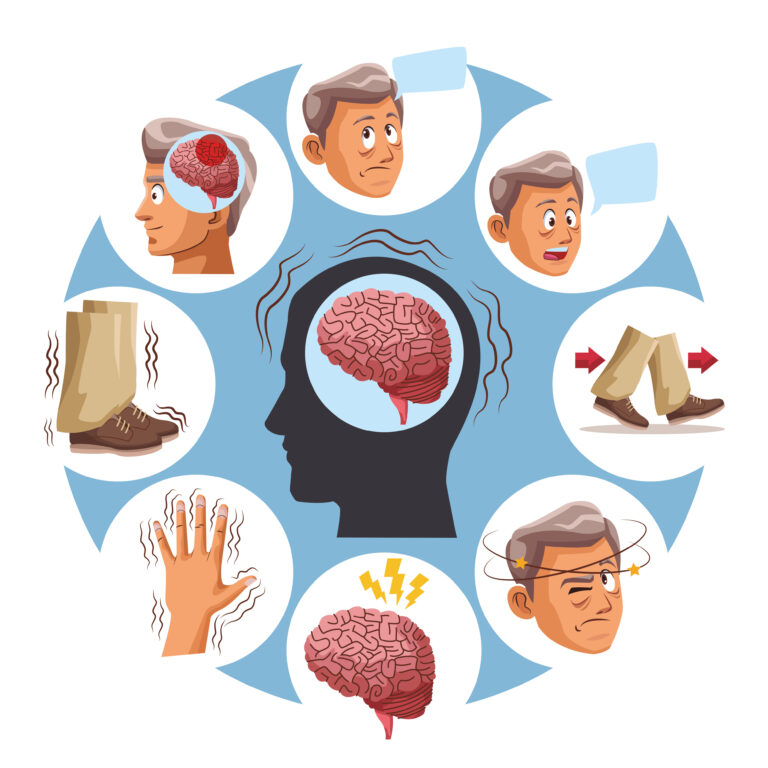
The question of whether autism could be the result of ignored vaccine adverse events is a topic that has generated significant public concern and scientific investigation over the past few decades. Autism spectrum disorder (ASD) is a complex neurodevelopmental condition characterized by challenges in social interaction, communication, and repetitive behaviors. Understanding its causes is crucial, but the idea that vaccines might cause autism has been extensively studied and repeatedly disproven by rigorous scientific research.
Vaccines are designed to protect individuals from infectious diseases by stimulating the immune system to recognize and fight pathogens. Like any medical intervention, vaccines can have side effects, which are generally mild and temporary, such as soreness at the injection site or low-grade fever. Serious adverse events are extremely rare and are closely monitored by health authorities worldwide. The concern that vaccines might cause autism largely originated from a now-discredited study published in 1998, which suggested a link between the MMR (measles, mumps, and rubella) vaccine and autism. This study was found to be fundamentally flawed due to methodological errors and ethical violations, and it was subsequently retracted.
Since then, numerous large-scale, well-designed studies involving millions of children have found no evidence supporting a causal relationship between vaccines and autism. For example, a landmark study in Denmark followed over half a million children and found that the risk of autism was the same in vaccinated and unvaccinated children. This study also showed no association between the timing of vaccination and the development of autism. Meta-analyses combining data from multiple studies have consistently confirmed these findings, reinforcing the conclusion that vaccines do not cause autism.
The idea that vaccine adverse events might be ignored or underreported is understandable given the complexity of vaccine safety monitoring. However, vaccine safety systems are among the most robust in medicine. Adverse events following immunization are carefully tracked through multiple surveillance programs, and any signals of concern are thoroughly investigated. When rare adverse events are identified, vaccine recommendations are updated to minimize risks. This transparency and vigilance help ensure that vaccines remain safe and effective.
It is important to distinguish between correlation and causation. Autism symptoms typically become noticeable around the same age that children receive many vaccines, which can lead to mistaken assumptions about cause and effect. However, extensive research has shown that this timing overlap does not imply that vaccines cause autism. Instead, autism is believed to result from a combination of genetic and environmental factors that affect brain development, none of which have been linked to vaccines.
Some recent discussions hav