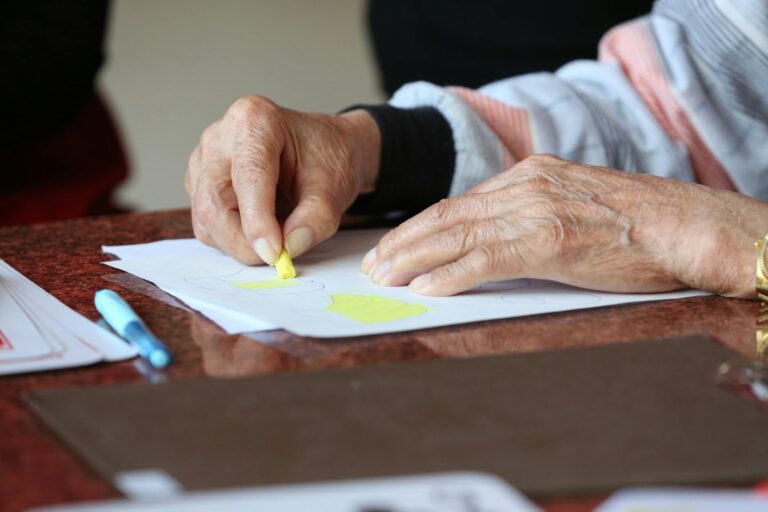
Dyspraxia in autism refers to a condition where an autistic person experiences significant difficulties with motor coordination and planning. It is sometimes called Developmental Coordination Disorder (DCD) and affects how the brain processes and executes physical movements. People with dyspraxia often struggle with both fine motor skills, like writing or buttoning clothes, and gross motor skills, such as running, jumping, or balancing. In the context of autism, dyspraxia can add another layer of challenge because it impacts physical actions alongside the social, communication, and sensory differences typical of autism.
At its core, dyspraxia is about the brain’s difficulty in planning and coordinating movements. Even though the person understands what they want to do, their body doesn’t always cooperate smoothly. For example, an autistic child with dyspraxia might know how to speak or write but find it hard to physically produce the words or letters because the motor planning is disrupted. This can also affect speech, where the child understands language but struggles with the muscle movements needed to form sounds, a condition sometimes called childhood apraxia of speech. This means that dyspraxia in autism is not just about clumsiness but also about the complex coordination between brain signals and muscle actions.
The causes of dyspraxia are not fully understood, but it is believed to arise from differences in how the brain develops and processes motor information. Genetic factors may play a role, as dyspraxia can run in families. Premature birth and low birth weight are also linked to a higher risk. In autistic individuals, the neurological differences that define autism may overlap with or contribute to the motor coordination difficulties seen in dyspraxia. This overlap means that many autistic people show signs of poor muscle tone, difficulties with motor planning, and coordination challenges, which are hallmark features of dyspraxia.
Living with dyspraxia alongside autism means facing unique challenges in everyday life. Tasks that many take for granted—like tying shoelaces, using utensils, handwriting, or riding a bike—can require extra effort and practice. The difficulty in organizing and sequencing movements can also make multitasking physically demanding and tiring. Because of these challenges, individuals with both autism and dyspraxia might appear clumsy or awkward in their movements, and they may avoid activities that require fine motor skills or balance.
However, dyspraxia does not affect intelligence. People with dyspraxia and autism often have average or above-average cognitive abilities but need support to develop motor skills. They may also develop strong problem-solving skills and adaptability as they find ways to work around their motor difficulties. For example, they might use alternative methods to write or communicate, such as typing instead of handwriting or using assistive communication devices if speech is affected.
Therapies for dyspraxia in autism focus on improving motor coordination and planning through occupational therapy and speech therapy. Occupational therapists work on fine and gross motor skills, helping individuals practice tasks like dressing, writing, or playing sports in a structured way. Speech therapists address oral motor skills and help with the coordination needed for clear speech. Early intervention is important to build skills and confidence, and therapy is often tailored to the individual’s specific needs.
Dyspraxia can also influence sensory experiences in autistic individuals. Because motor planning and sensory processing are closely linked, difficulties with movement can increase sensory sensitivities or challenges. For example, an autistic person with dyspraxia might find certain textures or movements overwhelming or uncomfortable, which can affect their willingness to engage in physical activities or social play.
It is common for dyspraxia to co-occur with other neurodevelopmental conditions such as ADHD and autism. When these conditions overlap, the challenges can multiply, affecting attention, motor skills, sensory processing, and social communication all at once. This complexity requires careful assessment to understand each person’s unique profile and to provide the right support.
Despite the difficulties, many autistic people wit