Autism can significantly affect motor skills, influencing both fine and gross motor abilities in ways that vary widely among individuals. Many children with autism experience delays or differences in how they develop motor skills, which can impact their daily functioning, learning, and social interactions.
Motor skills are generally divided into two categories: fine motor skills and gross motor skills. Fine motor skills involve small, precise movements, such as using fingers to button a shirt, write, or manipulate small objects. Gross motor skills involve larger movements like walking, running, jumping, and maintaining balance and posture.
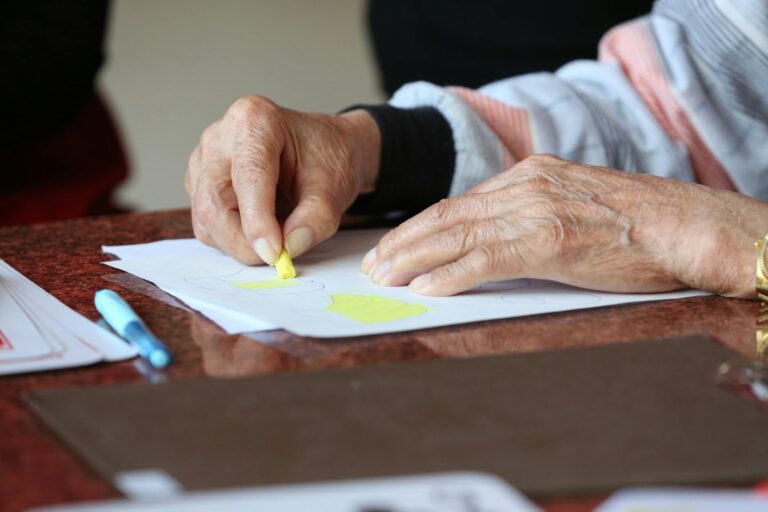
In autism, fine motor skills often show delays or difficulties. Children may struggle with tasks requiring hand-eye coordination and dexterity, such as handwriting, using utensils, or dressing themselves. These challenges can stem from difficulties in motor planning—the brain’s ability to conceive, organize, and carry out a sequence of movements—and sensory processing differences, which affect how the brain interprets and responds to sensory information. For example, a child might find it hard to control the pressure and movement needed for neat handwriting or may avoid activities that require finger strength and coordination because they feel uncomfortable or overwhelming.
Gross motor skills can also be affected. Many autistic children show differences in balance, coordination, and posture. They may appear clumsy or uncoordinated, have trouble learning new physical activities like riding a bike, or display unusual walking patterns. Some common gait differences include toe-walking (walking on the balls of the feet), in-toeing (feet turned inward), or out-toeing (feet turned outward). These gait differences are now recognized as part of the diagnostic features of autism. Additionally, autistic individuals often walk more slowly, take wider steps, spend more time with their foot on the ground, and show greater variability in stride length and speed compared to neurotypical peers.
Muscle tone differences, such as hypotonia (low muscle tone), are also common in autism and contribute to motor delays. Hypotonia can make it harder for children to sit upright independently, climb stairs, or perform other movements requiring muscle strength and control. These motor delays often appear early in development and can be indicators of autism before other symptoms become more obvious.
Motor skill difficulties in autism are not just physical challenges; they also affect social and educational experiences. For example, difficulty with gross motor skills can limit participation in playground games or sports, which are important for social interaction and peer bonding. Fine motor challenges can make schoolwork, like writing or using scissors, more difficult, potentially impacting academic performance and self-esteem.
Despite these challenges, children with autism can make significant progress in motor skills with consistent support, practice, and encouragement. Occupational therapy is a common and effective approach that uses targeted activities to improve motor planning, coordination, and strength. Therapists often incorporate play, music, and movement games to engage children and build skills in a fun, structured way. Breaking down complex tasks into smaller, manageable steps (task analysis) helps children learn and complete motor tasks more successfully.
Sensory processing differences also play a crucial role in motor skill development. Some autistic individuals may seek out certain sensory experiences, avoid others, or become overwhelmed by sensory input, which can affect their willingness or ability to engage in motor activities. For example, sensitivity to touch might make wearing certain clothes or handling certain materials uncomfortable, impacting fine motor tasks like dressing or grooming.
In summary, autism affects motor skills through a combination of motor planning difficulties, muscle tone differences, sensory processing challenges, and neurological factors influencing coordination and movement patterns. These effects vary widely but commonly include delays or differences in both fine and gross motor skills, impacting daily life, learning, and social participation. With appropriate therapies and supportive environments, many autistic individuals can improve their motor abilities and gain greater independence and confidence in movement.