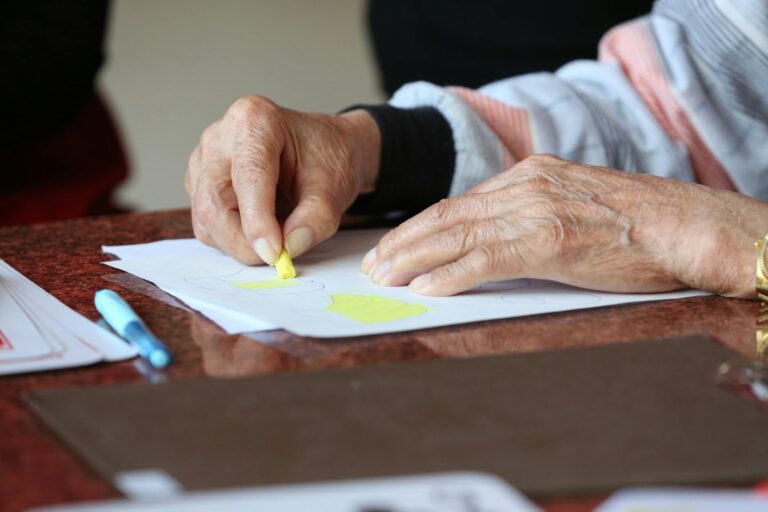
Dementia patients often refuse to leave their homes because home represents a place of familiarity, safety, and identity in the midst of cognitive decline. The experience of dementia involves confusion, memory loss, and disorientation, which can make unfamiliar environments feel threatening or overwhelming. For many with dementia, the home is not just a physical space but a repository of personal history and comfort that helps anchor their sense of self.
Several intertwined reasons explain why leaving home is so difficult for people living with dementia:
– **Fear and Anxiety:** Moving away from a familiar environment can trigger intense fear. Dementia impairs understanding and coping mechanisms; thus, change feels like losing control over one’s world. This fear may manifest as refusal or resistance to leave the house.
– **Confusion About Where They Are Going:** Cognitive impairment affects memory and comprehension. A person with dementia might not understand why they are being asked to leave or where they are going next. This uncertainty causes distress that leads them to cling to what they know—their home.
– **Need for Control:** Dementia progressively strips away autonomy through increasing dependence on others for daily tasks. Refusing to leave home can be an expression of trying to maintain some control over life decisions amid growing helplessness.
– **Unmet Physical Needs Causing Distress:** Pain, infections like urinary tract infections or constipation often go unrecognized in people with dementia but cause discomfort that heightens agitation and refusal behaviors including reluctance to move from familiar surroundings.
– **Relocation Stress Syndrome:** Moving triggers psychological stress known as relocation stress syndrome—characterized by anxiety, depression, confusion, sleep disturbances—which worsens cognitive symptoms temporarily or even long-term after moving into new care settings.
– **Loss of Routine and Familiar Cues:** Dementia patients rely heavily on routine cues embedded in their environment (furniture arrangement, smells) for orientation. Leaving disrupts these cues causing disorientation that fuels resistance.
– **Emotional Attachment & Identity Tied To Home:** The house holds memories tied deeply into identity—photos on walls or favorite chairs provide emotional grounding which is lost when forced out abruptly without preparation or involvement in decision-making.
Additionally:
Families sometimes face challenges when care needs escalate beyond what can be managed at home safely due to aggression related to disease progression; this complicates transitions out of the home because aggressive behaviors increase stress around moving decisions both for patient and caregivers alike.
Caregivers who understand these underlying causes find better success by addressing unmet needs such as pain management first before attempting moves; using person-centered communication techniques like validation rather than confrontation; involving patients gradually in planning moves; preserving familiar objects during relocation; maintaining routines post-move; adapting environments thoughtfully—all help reduce refusals rooted in distress rather than stubbornness alone.
In essence, refusing to leave home is rarely simple obstinacy—it reflects complex emotional responses driven by fearfulness about change combined with neurological impairments affecting perception and behavior. Compassionate approaches recognize this refusal as communication signaling vulnerability rather than defiance—and tailor support accordingly toward safer transitions while honoring dignity wherever possible.