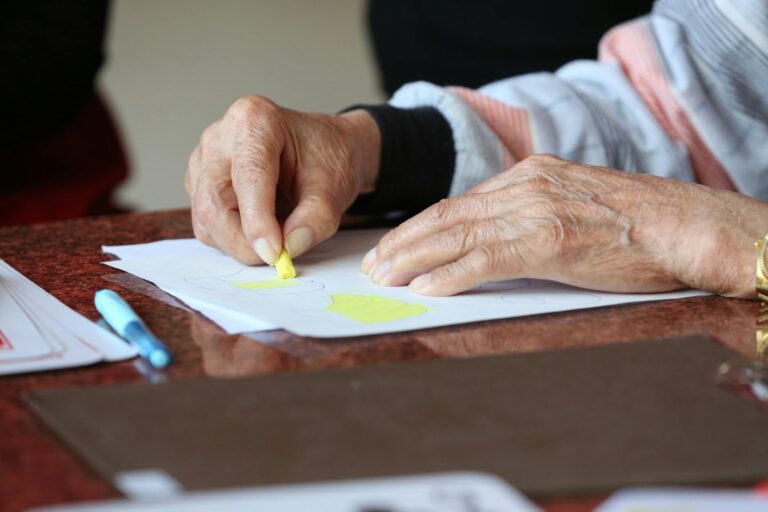
Dementia patients can sometimes cook safely, but it depends heavily on the stage of their condition, the complexity of the cooking tasks, and the safety measures in place. Cooking can remain a meaningful and enjoyable activity for many people with dementia if adapted properly to their abilities and supported carefully.
As dementia progresses, memory loss, difficulty following multi-step instructions, reduced judgment, and impaired motor skills make cooking increasingly risky. However, with thoughtful adjustments and supervision, many individuals with mild to moderate dementia can still participate in meal preparation safely.
To help dementia patients cook safely:
– **Simplify tasks:** Break down recipes into very simple steps using clear visual cues like pictures or color-coded utensils. This helps compensate for memory difficulties by providing easy-to-follow guidance.
– **Use pre-prepared ingredients:** Pre-cut vegetables or ready-made sauces reduce complicated prep work such as chopping or measuring that might be challenging or dangerous.
– **Assign low-risk activities:** Tasks like stirring batter, rolling dough balls, sprinkling toppings on casseroles or pizza are generally safe and provide a sense of accomplishment without involving sharp knives or hot surfaces.
– **Avoid hazardous equipment:** Gas stoves should be disabled if possible; electric stoves with automatic shut-off features are safer options. Using appliances that turn off automatically after a set time prevents fires caused by unattended cooking.
– **Supervise closely:** Even when patients handle simple tasks independently, having someone nearby to monitor reduces risks significantly. Caregivers can step in quickly if something goes wrong while allowing autonomy where safe.
– **Create a calm environment:** Minimize distractions such as loud noises or cluttered countertops so attention stays focused on cooking steps without confusion.
Cooking also offers important benefits beyond nutrition: it provides cognitive stimulation through sensory engagement (smelling spices, feeling textures), maintains motor skills via repetitive motions like stirring or tearing lettuce leaves gently improves coordination; supports emotional well-being by fostering purposefulness; strengthens social bonds when done together; and preserves routine which is comforting amid other uncertainties caused by dementia progression.
Some practical examples of safe involvement include helping wash produce under supervision; tearing salad greens instead of cutting them; measuring dry ingredients using clearly marked cups; cracking eggs with assistance; peeling soft fruits like bananas where knives aren’t needed; setting the table before meals—all activities that maintain dignity while minimizing risk.
Safety enhancements may also involve labeling cabinets clearly with both words and pictures so items are easier to find without frustration. Using brightly colored plates contrasting strongly against food helps recognition during mealtime itself—important since visual perception changes too—and encourages eating well by making meals more appealing visually.
In terms of cookware safety specifically for seniors including those with cognitive decline:
– Avoid high heat use on nonstick pans because overheating releases harmful fumes.
– Aluminum pots should be handled carefully since worn surfaces may leach metals into acidic foods.
– Anodized aluminum cookware is preferable due to its durable coating reducing metal transfer.
Overall kitchen safety technology has advanced considerably: devices equipped with AI-powered sensors detect unattended burners early enough to sound alarms or even remotely shut off stoves before fires start—ideal for people living alone who want independence but need protection from forgetfulness-related accidents.
The decision about whether a person living with dementia should cook depends largely on individual capabilities assessed continuously over time along with caregiver comfort levels regarding risk tolerance. When allowed within safe limits tailored specifically for them—with appropriate tools available—they often gain confidence from continuing an activity they once enjoyed rather than being excluded altogether.
In essence: yes — many dementia patients *can* cook safely if given proper support systems including simplified instructions paired with environmental modifications plus vigilant supervision combined thoughtfully according to their unique needs at each stage of illness progression. This approach balances preserving independence while prioritizing health & safety in what remains an important part of daily life quality for them.