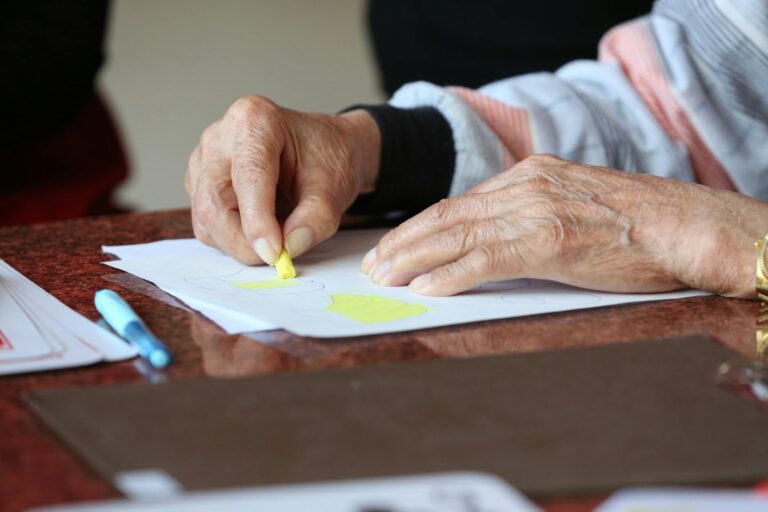
Dementia can indeed cause a loss of empathy, and this change is often one of the more distressing symptoms for families and caregivers. Empathy, the ability to understand and share the feelings of others, relies heavily on certain brain regions that are affected by dementia. When these areas deteriorate, a person’s capacity to connect emotionally with others diminishes.
Different types of dementia affect the brain in various ways, but many involve damage to the frontal and temporal lobes, which play crucial roles in social behavior, emotional regulation, and empathy. For example, frontotemporal dementia (FTD) is particularly known for causing early and pronounced changes in personality and social conduct, including a marked loss of empathy. People with FTD may become socially inappropriate, impulsive, or indifferent to the feelings of those around them. This loss of empathy can manifest as a lack of concern for others’ distress, reduced emotional responsiveness, or even selfish and self-centered behavior.
In Alzheimer’s disease, the most common form of dementia, loss of empathy can also occur but often appears later in the disease progression. Early on, individuals may struggle with memory and cognitive tasks, but as the disease advances and affects more of the brain, emotional and social abilities decline. They might have difficulty recognizing facial expressions or interpreting emotions, which impairs their ability to respond empathetically. This can lead to social withdrawal, irritability, or seeming indifference to loved ones’ feelings.
The loss of empathy in dementia is not just about emotional disconnection but also about the brain’s impaired ability to process social cues. People with dementia may misinterpret or fail to recognize others’ emotions, making it harder to engage in meaningful social interactions. This can cause frustration on both sides—those with dementia may feel misunderstood or isolated, while family and friends may feel hurt or confused by the change in behavior.
Mood and personality changes often accompany the loss of empathy. Individuals may become more irritable, anxious, or depressed. They might lose interest in activities they once enjoyed and withdraw from social situations. These changes are sometimes mistaken for mood swings or normal aging but can be early signs of dementia affecting emotional and social functioning.
Caregivers and family members often notice that the person with dementia seems less caring or more self-focused. Conversations may become one-sided, with the individual showing little concern for others’ experiences or feelings. This shift can be painful to witness because it alters the nature of relationships that were once close and supportive.
Supporting someone with dementia who is losing empathy requires patience and understanding. It helps to recognize that these changes are symptoms of the disease, not intentional behavior. Care strategies might include creating structured social environments, using clear and simple communication, and encouraging activities that promote emotional connection, such as music or reminiscence therapy.
In summary, dementia can cause a significant loss of empathy due to the deterioration of brain regions responsible for emotional and social processing. This loss varies depending on the type and stage of dementia but generally leads to changes in personality, social withdrawal, and difficulty understanding others’ feelings. Recognizing these changes early can help families and caregivers provide better support and adapt to the evolving needs of their loved ones.