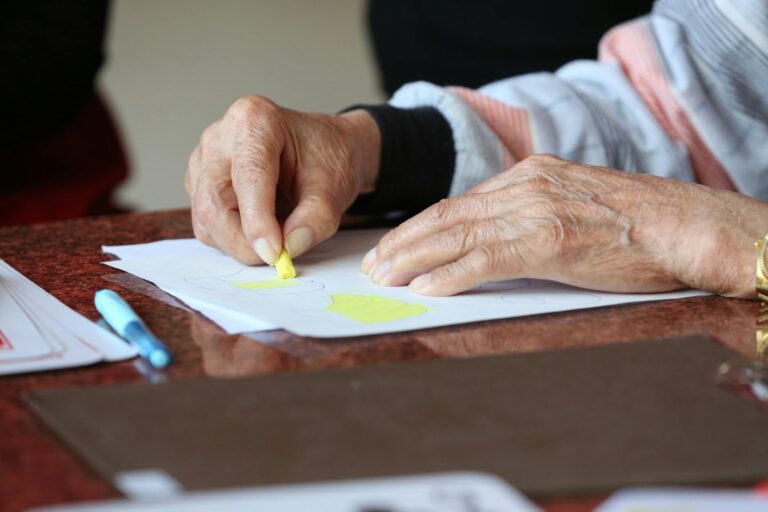
Dementia patients can become suddenly aggressive because their brains are undergoing complex changes that affect how they perceive and react to the world around them. This aggression is often not random but a form of communication expressing distress, confusion, fear, or frustration that they cannot easily explain or control.
As dementia progresses, the brain areas responsible for regulating emotions, decision-making, and filtering sensory information deteriorate. This makes patients more sensitive to stimuli and less able to manage their reactions. For example, damage to the frontal cortex and related regions impairs their ability to process emotions calmly, leading to heightened irritability or aggression.
Several key factors contribute to sudden aggression in dementia patients:
– **Physical discomfort or pain:** Since many dementia patients struggle to communicate clearly, pain from conditions like infections, constipation, joint pain, or other illnesses may manifest as aggression. They might lash out because they cannot express what hurts or bothers them.
– **Confusion and fear:** Dementia often causes disorientation about time, place, and people. When patients do not recognize their surroundings or the people caring for them, they may feel threatened or scared, triggering defensive or aggressive behavior.
– **Frustration and loss of control:** Tasks that were once simple become difficult or impossible. This loss of independence and inability to perform familiar activities can cause intense frustration, which sometimes erupts as aggression.
– **Environmental factors:** Overstimulation from noise, crowds, or chaotic surroundings can overwhelm dementia patients. Sudden changes in routine, unfamiliar places, or too many people can increase anxiety and agitation, leading to aggressive outbursts.
– **Emotional distress:** Feelings of loneliness, depression, anxiety, or embarrassment can also provoke aggression. Dementia patients may struggle with mood changes and may act out when overwhelmed by negative emotions.
– **Medication side effects or interactions:** Some medications can cause agitation or worsen behavioral symptoms. Changes in medication or untreated medical issues can also trigger aggression.
– **Sundowning:** Many dementia patients experience increased confusion and agitation in the late afternoon or evening, a phenomenon known as sundowning, which can include sudden aggression.
When a dementia patient becomes aggressive suddenly, it is often a sign that something is wrong—whether physical, emotional, or environmental. Because they may not be able to explain their feelings or needs, aggression becomes a way to communicate distress.
Understanding this helps caregivers respond more effectively. Instead of reacting with frustration or punishment, caregivers are encouraged to:
– Stay calm and avoid confrontation.
– Look for possible causes like pain, hunger, or discomfort.
– Reduce environmental stressors such as noise or bright lights.
– Maintain a consistent routine to provide a sense of security.
– Use gentle reassurance and simple communication.
– Provide choices to help the patient feel some control.
– Ensure the patient’s physical needs are met and check for medical issues.
Aggression in dementia is complex and multifaceted, rooted in brain changes and unmet needs. It reflects the patient’s struggle to cope with a confusing and frightening world. Recognizing aggression as a symptom of distress rather than willful behavior is crucial for compassionate care and effective management.