Helping a dementia patient who experiences frequent falls requires a comprehensive, patient-centered approach that addresses both the physical and cognitive challenges they face. Falls in dementia patients are common due to a combination of impaired judgment, balance issues, muscle weakness, medication side effects, and environmental hazards. The goal is to reduce fall risk, ensure safety, and maintain as much independence and quality of life as possible.
First, it is essential to understand why dementia patients fall frequently. Dementia affects memory, spatial awareness, and coordination, which can cause confusion about surroundings and difficulty navigating safely. They may forget to use assistive devices like walkers or may try to move independently despite physical limitations. Additionally, medications used to manage dementia or other health conditions can cause dizziness or drowsiness, increasing fall risk. Muscle weakness and poor balance, often worsened by inactivity, also contribute.
To help a dementia patient with frequent falls, start with a thorough assessment by healthcare professionals. This includes evaluating their physical health, medication review, vision and hearing checks, and cognitive status. A falls risk assessment can identify specific factors contributing to falls, such as muscle weakness, gait abnormalities, or environmental hazards at home.
Once risks are identified, several strategies can be implemented:
– **Environmental modifications:** Make the living space as safe as possible. Remove loose rugs, clutter, and electrical cords that could cause tripping. Ensure good lighting in all areas, especially hallways and bathrooms. Install grab bars near toilets and in showers. Use non-slip mats and secure carpets. Arrange furniture to allow clear walking paths. Consider using night lights to reduce disorientation during nighttime bathroom visits.
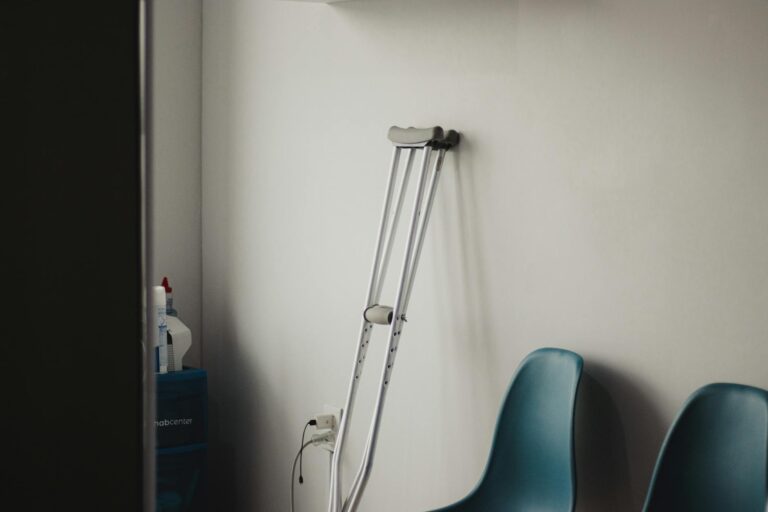
– **Assistive devices:** Encourage the use of appropriate mobility aids such as canes, walkers, or wheelchairs as recommended by a physical therapist. Ensure these devices are properly fitted and in good condition. Sometimes, patients resist using aids due to frustration or confusion, so gentle encouragement and education are important.
– **Exercise and physical therapy:** Engage the patient in regular physical activity tailored to their ability. Exercises that improve strength, balance, and flexibility can reduce fall risk. Physical therapists can design individualized programs focusing on gait training and muscle strengthening. Even simple seated exercises or walking short distances with supervision can help maintain mobility.
– **Medication management:** Review all medications with a healthcare provider to identify those that may increase fall risk, such as sedatives, blood pressure drugs, or medications causing dizziness. Adjusting dosages or switching medications can reduce side effects that contribute to falls.
– **Supervision and assistance:** Provide appropriate supervision based on the patient’s level of cognitive impairment and mobility. This may involve having a caregiver nearby during activities, especially when moving around the house or outdoors. Use of monitoring devices with fall detection can alert caregivers immediately if a fall occurs, enabling prompt assistance.
– **Routine and structure:** Establish predictable daily routines to reduce confusion and wandering, which can lead to unsafe situations. Clear signage and visual cues in the home can help orient the patient and reduce disorientation.
– **Education and support for caregivers:** Caregivers should be trained to recognize fall risks and how to assist safely. They need to learn safe transfer techniques, how to encourage mobility without increasing risk, and how to respond if a fall occurs. Support groups and respite care can help reduce caregiver stress, which is important for maintaining quality care.
– **Addressing fear of falling:** After a fall, patients may develop anxiety about falling again, which can lead to reduced activity and muscle deconditioning, ironically increasing fall risk. Psychological support and confidence-building activities are important to help patients regain trust in their abilities.
– **Use of technology:** Medical alert systems with automatic fall detection can provide an added layer of safety. These devices, often worn as pendants or wristbands, use sensors to detect falls and alert emergency contacts. While helpful, they should complement, not replace, other preventive measures.
– **Nutrition and hydratio