The best home exercises for dementia patients are those that are gentle, safe, and tailored to their physical abilities while also promoting both physical health and cognitive engagement. These exercises focus on improving balance, strength, flexibility, and mobility to help reduce fall risk and enhance overall well-being. They should be simple enough to follow without causing frustration or fatigue.
Here is a detailed guide on effective home exercises for dementia patients:
**1. Gentle Walking**
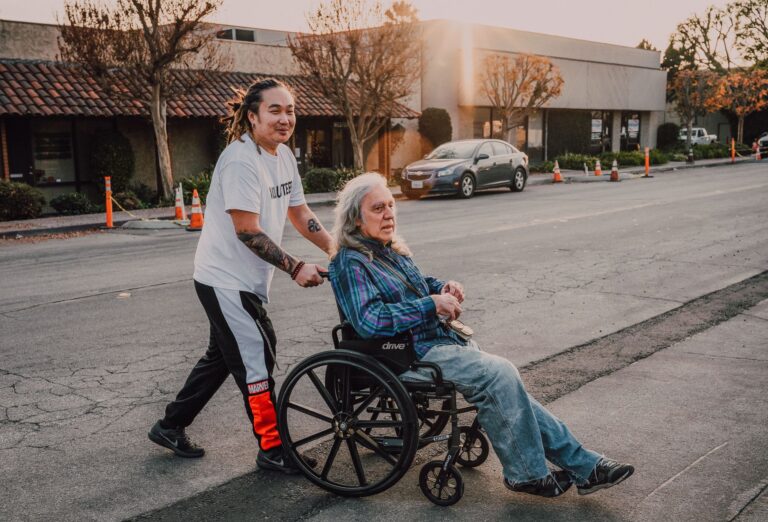
Walking is one of the simplest yet most beneficial activities. It can be done indoors or outdoors in a safe environment. Short walks help maintain cardiovascular health, leg strength, and balance. Caregivers should ensure the walking path is free of obstacles to prevent falls.
**2. Chair Exercises**
For those with limited mobility or balance issues, chair-based exercises provide a safe way to stay active:
– *Seated Marching*: Lifting knees alternately while seated helps strengthen leg muscles.
– *Arm Raises*: Raising arms overhead or out to the sides improves upper body strength.
– *Ankle Circles*: Rotating ankles while seated enhances joint flexibility.
These movements can be repeated gently several times depending on stamina.
**3. Stretching**
Stretching keeps muscles flexible and joints mobile:
– Neck stretches by slowly turning head side-to-side.
– Shoulder rolls forward and backward.
– Gentle reaching toward toes (while seated if needed).
Stretching should never cause pain; it’s about easing stiffness.
**4. Balance Activities**
Improving balance reduces fall risk significantly:
– Standing behind a sturdy chair for support while shifting weight from one foot to another.
– Heel-to-toe walking along a straight line (with assistance).
If standing isn’t possible safely, seated weight shifts side-to-side can engage core muscles.
**5. Simple Dance Movements**
Dancing gently with music encourages movement coordination and mood improvement:
– Swaying side-to-side
– Clapping hands in rhythm
Caregivers can lead these movements at a comfortable pace.
**6. Sensory-Motor Activities**
Combining sensory stimulation with movement supports brain engagement:
– Gardening tasks like potting plants indoors involve touching soil and using hand muscles.
– Folding towels or pairing socks engages fine motor skills alongside tactile sensation.
These activities also provide meaningful purpose beyond exercise alone.
**7. Reminiscence Movement Games**
Incorporate memory prompts into physical activity for dual benefits:
For example: Ask the patient to reach up high when recalling something happy from childhood or step lightly when talking about favorite places visited before dementia onset.
This approach connects mind-body interaction positively without pressure.
—
When designing an exercise routine at home for someone with dementia, keep these principles in mind:
*Safety First:* Always supervise activities closely; use mobility aids if necessary; clear clutter from exercise areas; avoid slippery floors; ensure proper footwear is worn during standing/walking exercises.
*Adaptability:* Adjust intensity based on daily energy levels—some days may call for more rest than activity—and respect signs of fatigue or discomfort immediately by pausing the session.
*Consistency:* Regular short sessions (10–20 minutes) multiple times per week work better than infrequent long workouts because they build habit without overwhelming memory capacity or endurance limits typical in dementia patients.
*Engagement & Enjoyment:* Choose movements linked with music they enjoy or familiar routines so participation feels natural rather than forced—this increases motivation even as cognitive function declines gradually over time.
By combining these gentle physical activities tailored specifically around safety considerations with sensory-rich experiences that stimulate both body and mind simultaneously at home environments familiar to them — caregivers can greatly contribute towards maintaining quality of life through improved mobility, reduced restlessness, enhanced mood regulation,and potentially slower progression of some symptoms related to inactivity among people living with dementia.