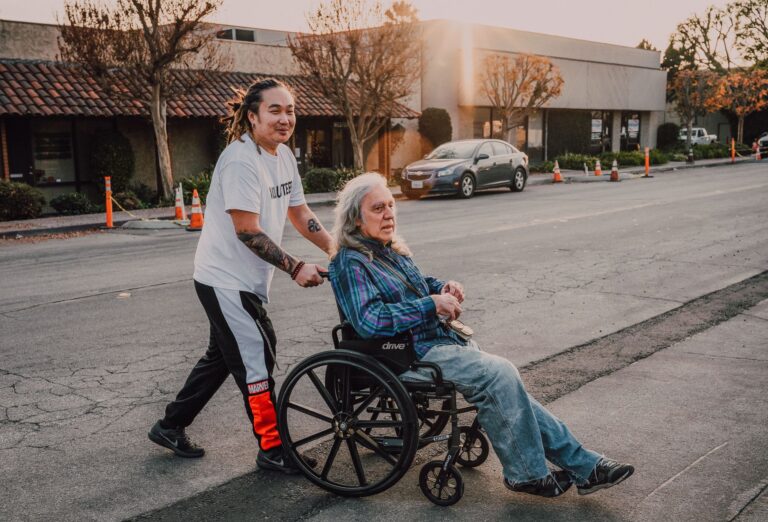
Mounjaro (tirzepatide) is a medication primarily used to treat type 2 diabetes and has gained attention for its effectiveness in lowering blood sugar and aiding weight loss. However, like many medications, it can cause side effects, and among these, dizziness and nausea are commonly reported. When it comes to seniors, these side effects can be particularly important to understand due to their potential impact on overall health and safety.
**Nausea and Dizziness with Mounjaro in Seniors**
Nausea is one of the most frequently reported side effects of Mounjaro across all age groups, including seniors. This medication works by mimicking hormones that regulate blood sugar and slow digestion, which can lead to gastrointestinal symptoms such as nausea, vomiting, diarrhea, constipation, and decreased appetite. For older adults, the digestive system may be more sensitive, making nausea more pronounced or harder to tolerate.
Dizziness is also reported by some people taking Mounjaro. This can be related to several factors:
– **Blood Sugar Changes:** Mounjaro lowers blood sugar levels, and if blood sugar drops too low (hypoglycemia), dizziness can occur. Seniors are often more vulnerable to hypoglycemia, especially if they are on other diabetes medications like insulin or sulfonylureas, which also lower blood sugar.
– **Dehydration:** Gastrointestinal side effects such as diarrhea and vomiting can lead to dehydration, which in turn can cause dizziness or lightheadedness. Older adults are at higher risk of dehydration because their sense of thirst may be diminished.
– **Other Health Conditions and Medications:** Seniors often take multiple medications and may have other health conditions that can contribute to dizziness. Mounjaro’s side effects might interact with these factors, increasing the risk.
**Why Are These Side Effects Particularly Concerning for Seniors?**
In older adults, nausea and dizziness are not just uncomfortable; they can lead to more serious complications. For example:
– **Risk of Falls:** Dizziness can increase the risk of falls, which are a major cause of injury and hospitalization in seniors.
– **Nutritional Impact:** Persistent nausea can reduce appetite and food intake, potentially leading to weight loss, malnutrition, or worsening of other health conditions.
– **Medication Adherence:** Side effects like nausea may cause seniors to stop taking their medication, which can worsen diabetes control.
**Managing Nausea and Dizziness in Seniors Taking Mounjaro**
Healthcare providers usually start seniors on a low dose of Mounjaro and gradually increase it to minimize side effects. This slow titration helps the body adjust and can reduce the severity of nausea and dizziness.
Other strategies include:
– Taking Mounjaro with food to lessen nausea.
– Staying well-hydrated to prevent dehydration-related dizziness.
– Monitoring blood sugar levels closely to avoid hypoglycemia.
– Reporting any severe or persistent side effects to a healthcare provider promptly.
– Reviewing all medications with a healthcare provider to avoid interactions that might worsen dizziness.
**What to Watch For**
Seniors and caregivers should be alert for signs that require immediate medical attention, such as severe abdominal pain (which could indicate pancreatitis), persistent vomiting, severe dizziness leading to fainting, or symptoms of gallbladder problems like jaundice or fever.
**In Summary**
Mounjaro can cause nausea and dizziness in seniors, primarily due to its effects on the digestive system and blood sugar levels. These side effects are common but can be more impactful in older adults due to their increased vulnerability to dehydration, hypoglycemia, and falls. Careful dose management, hydration, monitoring, and communication with healthcare providers are key to safely using Mounjaro in this population.