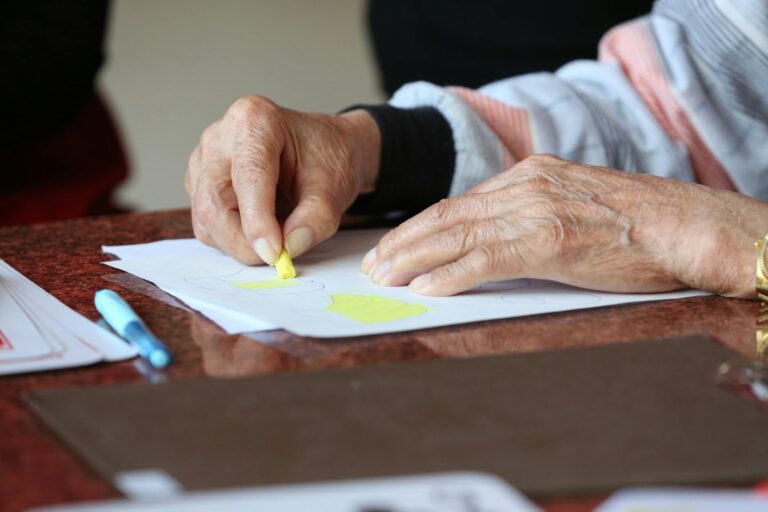
Dementia patients can often relearn how to write, but the process is complex and depends heavily on the stage of dementia, the type of dementia, and individual factors such as prior writing skills and overall cognitive function. Writing involves multiple brain functions including memory, motor skills, language processing, and coordination. Dementia affects these areas differently in each person, so relearning to write requires tailored approaches that combine cognitive rehabilitation with supportive therapies.
Writing is a learned skill that relies on procedural memory (how to perform tasks) as well as semantic memory (understanding language). In many types of dementia—such as Alzheimer’s disease or primary progressive aphasia—these memories deteriorate gradually. However, because procedural memory can be more resilient than other types of memory in early stages of dementia, patients may retain some ability to perform writing movements even when word retrieval or spelling becomes difficult. This means with consistent practice and appropriate support they can regain partial or functional writing abilities.
Relearning how to write typically involves breaking down the task into manageable components:
– **Motor Skills Practice:** Exercises focus on fine motor control needed for holding a pen or pencil steadily and forming letters clearly. This might include hand strengthening activities or guided tracing exercises.
– **Language Support:** Since writing also depends on language processing—knowing what words mean and how they are spelled—therapy often incorporates naming exercises where patients practice recalling words before attempting to write them.
– **Visual Cues & Associations:** Using pictures alongside words helps reinforce meaning through visual memory pathways. For example, pairing an object’s image with its written name aids recall.
– **Repetition & Routine:** Frequent short sessions help reinforce neural pathways involved in writing without overwhelming the patient’s attention span.
Therapists often use multi-modal strategies combining speech-language therapy techniques with cognitive training tools like computerized programs designed for naming objects or sentence formulation tasks. These interventions aim not only at improving mechanical aspects of writing but also at enhancing communication confidence by reducing frustration caused by word-finding difficulties.
Technology has begun playing a role too; digital tablets with stylus pens allow adjustable feedback sensitivity which can accommodate tremors or weak grip common among older adults with neurological impairments. Some software offers step-by-step guidance through letter formation while providing immediate visual correction cues.
Importantly, emotional support during this relearning phase is crucial because frustration from struggling to express oneself can lead to withdrawal from communication attempts altogether. Caregivers are encouraged to maintain patience by simplifying instructions into small steps and celebrating incremental progress rather than expecting perfection quickly.
While complete restoration of previous handwriting ability may not always be possible due to progressive brain changes inherent in dementia conditions, many individuals achieve meaningful improvements that enhance their independence in daily life activities such as signing documents or jotting down reminders.
In summary:
– Dementia impacts multiple brain systems essential for writing; however,
– Procedural memories related to motor skills may remain intact longer,
– Structured therapy focusing on motor control plus language reinforcement supports relearning,
– Visual aids combined with repetition improve retention,
– Technology offers adaptive tools facilitating practice,
– Emotional encouragement fosters motivation despite challenges,
This approach underscores that although dementia presents significant hurdles for regaining complex skills like writing, carefully designed interventions tailored individually offer hope for maintaining communication abilities longer than might otherwise be expected.