Dementia patient sits at the center of this dementia and brain health question.
Supporting a dementia patient who can no longer write requires a compassionate, patient-centered approach that focuses on alternative ways to communicate, express needs, and maintain dignity. Writing is often a key method for people to express themselves, so when this ability fades, caregivers must adapt by using other strategies to connect and support the person effectively.
First, **understanding the emotional impact** of losing the ability to write is crucial. Dementia patients may feel frustrated, isolated, or anxious because they can no longer communicate as they once did. Acknowledging these feelings and offering reassurance helps build trust and emotional safety. Letting them know you are there to listen and support them, even without written words, is essential.
Since verbal communication may also be impaired, **nonverbal communication becomes a primary tool**. This includes:
– **Facial expressions:** Smile warmly, maintain gentle eye contact, and use expressive facial cues to convey understanding and empathy.
– **Body language:** Use open, relaxed postures and gentle touch when appropriate to provide comfort and connection.
– **Gestures and visual cues:** Pointing, nodding, or using simple hand signals can help clarify meaning without words.
– **Eye level interaction:** Always approach and speak to the person at their eye level to avoid intimidation and foster engagement.
Because writing is no longer an option, **alternative communication methods** can be introduced:
– **Use of pictures or symbols:** Visual aids like picture cards or simple drawings can help the person indicate needs or feelings.
– **Technology aids:** Devices such as tablets with communication apps designed for dementia patients can facilitate expression through touch or selection of images.
– **Music and art therapy:** These creative outlets allow expression beyond words and can soothe agitation or stimulate positive memories.
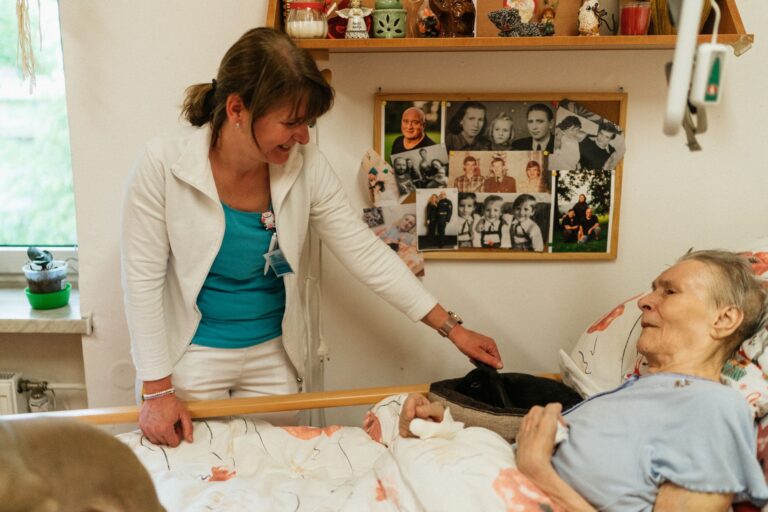
– **Reminiscence therapy:** Talking about past experiences using photos or familiar objects can encourage communication and emotional connection.
When speaking, it is important to **use simple, clear language** with short sentences and a calm tone. Give the person plenty of time to process and respond without rushing or interrupting. Avoid correcting mistakes or insisting on accuracy; instead, focus on comfort and reassurance.
Engaging the dementia patient in **meaningful activities tailored to their current abilities** can reduce frustration and improve quality of life. Activities like gentle exercise, crafts, or listening to favorite music provide stimulation and opportunities for nonverbal communication.
Family involvement is also vital. Loved ones can share insights about the person’s preferences, history, and effective calming techniques. They can help provide familiar items that bring comfort and assist in care planning to ensure the patient’s needs and dignity are respected.
Caregivers should be trained to recognize signs of distress or confusion and use de-escalation techniques that prioritize safety and respect. Creating a calm, distraction-free environment with good lighting and minimal noise supports better communication.
Ultimately, supporting a dementia patient who cannot write anymore means embracing patience, empathy, and creativity. It involves shifting from reliance on written words to a rich blend of verbal, nonverbal, and sensory communication methods that honor the person’s humanity and preserve their connection to the world around them.
For more, see Alzheimer’s Association.