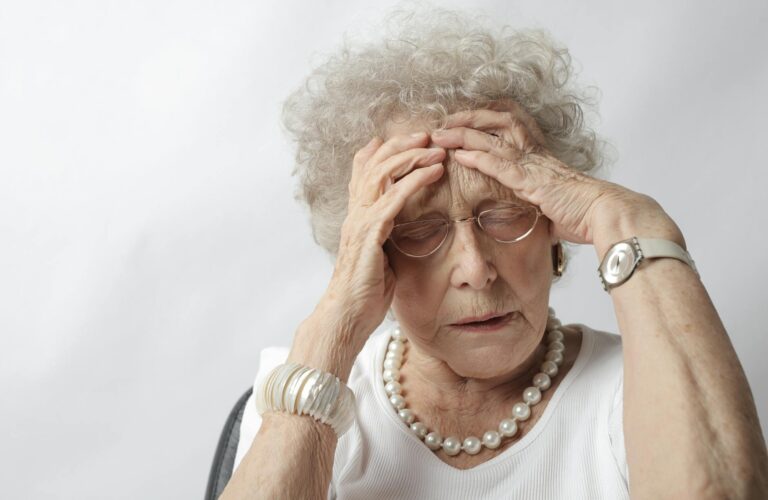
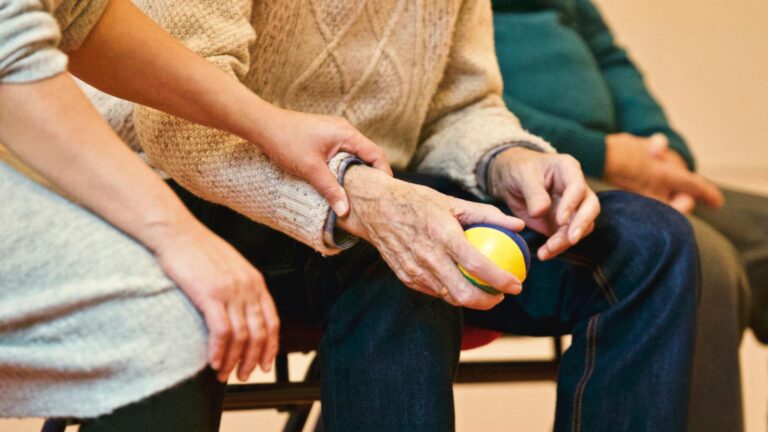
Crossword puzzles have long been a popular pastime, enjoyed for their blend of challenge and fun. Beyond entertainment, they are increasingly recognized for their potential to support brain health, especially in aging populations and those at risk of cognitive decline. The question arises: can crossword puzzles actually slow down Alzheimer’s disease? Understanding this involves exploring how crossword puzzles engage the brain, what Alzheimer’s entails, and what scientific research suggests about the relationship between mental stimulation and cognitive health.
Alzheimer’s disease is a progressive neurological disorder characterized by memory loss, impaired thinking skills, and changes in behavior. It primarily affects older adults but is not considered a normal part of aging. The disease damages brain cells and connections over time, leading to shrinking brain tissue and loss of function in areas critical for memory and cognition.
Crossword puzzles stimulate multiple cognitive processes simultaneously. They require language skills to recall vocabulary; memory to retrieve facts or words; problem-solving abilities to fit answers into the grid; attention to detail; as well as executive functions like planning ahead or switching strategies when stuck. This multifaceted mental workout encourages neural activity across various regions of the brain.
Engaging regularly with crossword puzzles may contribute to building what scientists call *cognitive reserve*. Cognitive reserve refers to the brain’s resilience against damage caused by aging or diseases like Alzheimer’s. It means that even if some neurons are lost or connections weakened due to pathology, other parts of the brain can compensate better if they have been strengthened through lifelong learning and mental challenges.
Research studies focusing on people with mild cognitive impairment (MCI), which often precedes Alzheimer’s dementia, provide promising insights about crossword puzzle training. In clinical trials where participants completed several crossword puzzles weekly over many months, improvements were observed not only in test scores measuring cognition but also in daily functioning abilities compared with control groups who did less frequent puzzle solving or engaged only in general health education activities.
Moreover, advanced imaging techniques used during these studies showed that individuals practicing high doses of crosswords experienced less shrinkage (atrophy) in key areas such as the hippocampus—a region vital for forming new memories—compared with those who did fewer puzzles or none at all. This suggests that consistent engagement with mentally stimulating tasks might help preserve structural integrity within vulnerable parts of the brain affected early by Alzheimer’s pathology.
The benefits extend beyond just slowing decline: regular puzzle solving encourages habits linked with intellectual curiosity and lifelong learning—both important factors associated with better quality of life among older adults facing cognitive challenges. Crossword enthusiasts often report enhanced attention span, quicker processing speed when recalling information under pressure, improved mood from accomplishing challenging tasks successfully—and these psychological benefits indirectly support overall mental health stability.
To maximize potential benefits from crossword puzzles:
– Choose difficulty levels appropriate for your current skill so you remain challenged without frustration.
– Practice consistently rather than sporadically—several times per week is ideal.
– Combine crosswords with other cognitively stimulating activities such as reading books or playing strategic games like chess.
– Engage socially around these activities when possible since social interaction itself supports memory retention.
It is important though not to view crossword puzzles as a cure-all solution but rather one component within a broader lifestyle approach including physical exercise balanced nutrition adequate sleep stress management social engagement medical care adherence where needed—all contributing synergistically toward maintaining healthy cognition longer into old age.
In summary (without summarizing), while no single activity guarantees prevention against Alzheimer’s disease progression given its complex biological nature involving genetics environment lifestyle factors—the evidence indicates that regularly doing crossword puzzles can be an effective way among others at helping delay symptom onset slow functional decline maintain independence improve day-to-day quality-of-life measures through sustained mental stimulation neuroplasticity enhancement preservation hippocampal volume maintenance increased cognitive reserve development ultimately supporting healthier brains facing age-related challenges ahead.