Seniors often have trouble regulating their body temperature because the natural systems that control heat and cold become less effective with age. This difficulty arises from a combination of physiological changes, health conditions, and medications that interfere with the body’s ability to maintain a stable internal temperature.
One major reason is that as people get older, their cardiovascular system—the heart and blood vessels—doesn’t work as efficiently. Normally, when the body gets too hot, blood vessels near the skin widen (vasodilation) to help release heat, and sweating cools the body through evaporation. But in seniors, reduced blood flow and weaker heart function make it harder to send enough warm blood to the skin, limiting heat loss. At the same time, the sweat glands may become less active or produce less sweat, so the body can’t cool down as effectively. This impaired heat dissipation increases the risk of overheating, especially during hot weather or physical exertion.
On the flip side, seniors also struggle to stay warm in cold conditions. Aging leads to a loss of body fat, which normally acts as insulation, and a slower metabolism, which generates less internal heat. Blood circulation often prioritizes vital organs like the brain and heart, reducing blood flow to the skin and extremities, making hands and feet feel cold. Diseases common in older adults, such as diabetes, anemia, and cardiovascular problems, can further reduce circulation and nerve function, making it harder to sense cold and respond appropriately. This diminished cold sensitivity means seniors may not realize when they are becoming dangerously cold, increasing the risk of hypothermia.
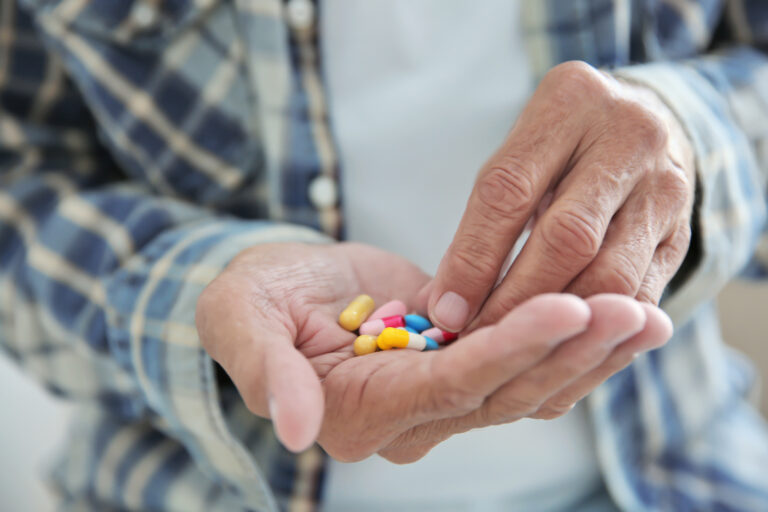
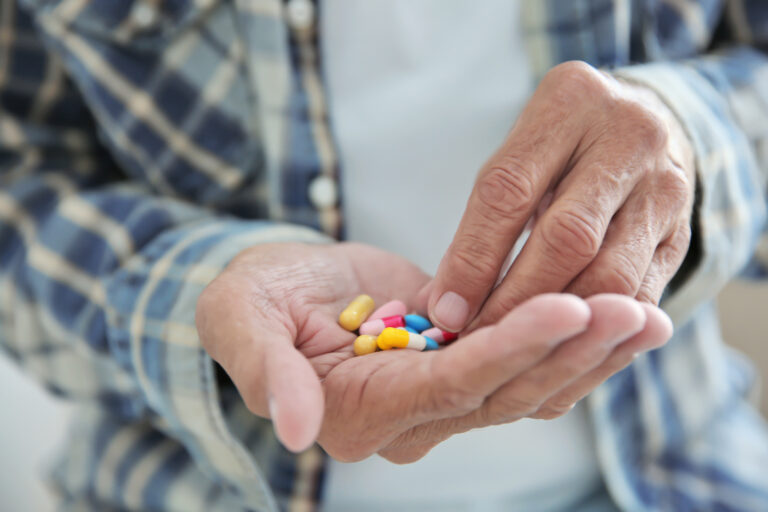
Medications commonly prescribed to older adults can also interfere with temperature regulation. For example, diuretics, blood pressure drugs, antihistamines, and some antidepressants can reduce sweating or alter blood flow, making it harder to cool down or warm up. Additionally, chronic illnesses like thyroid disorders, Parkinson’s disease, and kidney problems can disrupt the body’s normal temperature control mechanisms.
Dehydration is another critical factor. Older adults often have a reduced sense of thirst, so they may drink less water even when their body needs it. Without enough fluids, sweating decreases, and the body’s ability to cool itself diminishes. Dehydration also thickens the blood, making circulation less efficient and further impairing heat regulation.
Environmental factors play a role too. Seniors may avoid using air conditioning due to cost concerns or may live in poorly ventilated homes, increasing their exposure to heat. In cold weather, they might not dress warmly enough or have adequate heating, which combined with their reduced ability to generate and retain heat, puts them at risk.
In summary, the trouble seniors have with regulating temperature is due to a complex interplay of aging-related changes in the cardiovascular system, reduced sweating, loss of insulating fat, slower metabolism, chronic health conditions, medication side effects, dehydration, and environmental exposures. These factors make it harder for their bodies to respond effectively to heat or cold, increasing vulnerability to heatstroke, hypothermia, and other temperature-related health problems.