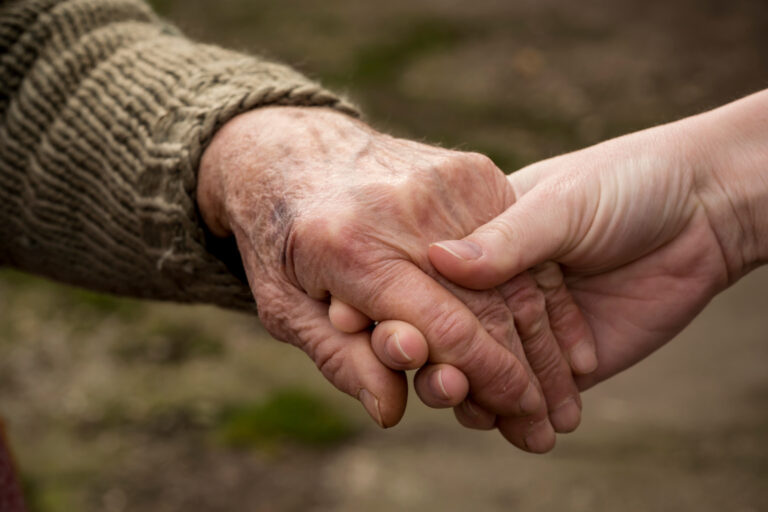
Elderly people face unique challenges when it comes to staying safe in extreme weather conditions, whether hot or cold. Their bodies often do not regulate temperature as efficiently as younger individuals, making them more vulnerable to heat-related illnesses like heat exhaustion and heat stroke, as well as cold-related problems such as hypothermia and frostbite. To protect themselves during hot or cold weather, seniors can adopt a variety of practical strategies that focus on maintaining comfort, hydration, appropriate clothing, environmental awareness, and social support.
In hot weather, the key is to avoid overheating and dehydration. Seniors should stay indoors during the hottest parts of the day—typically between late morning and early evening—and seek air-conditioned environments whenever possible. If air conditioning is not available at home, visiting public places like libraries or shopping centers can provide relief from the heat. Wearing lightweight, loose-fitting clothing made from breathable fabrics such as cotton helps sweat evaporate more easily and cools the body naturally. Applying broad-spectrum sunscreen with an SPF of 30 or higher about 15-20 minutes before going outdoors protects delicate skin from harmful UV rays; reapplying every two hours is important if outside for extended periods.
Hydration plays a critical role in preventing heat-related illness among older adults because their sense of thirst may diminish with age. Drinking plenty of water throughout the day—even if not feeling thirsty—is essential; avoiding alcohol and caffeine helps prevent dehydration since these substances can increase fluid loss. Using fans or cool cloths on pulse points (wrists, neck) can aid in lowering body temperature when it feels too warm indoors.
Planning outdoor activities carefully also enhances safety during hot days: checking hourly weather forecasts allows seniors to choose cooler times for walks or errands; wearing wide-brimmed hats shields face and neck areas from direct sunlight; carrying water bottles ensures hydration remains accessible at all times; using sunglasses protects eyes against glare.
Cold weather poses different risks but requires equally careful preparation. Older adults are prone to hypothermia even at mildly chilly temperatures because their metabolism slows down with age and they may have reduced fat insulation under their skin. Dressing warmly in layers provides flexibility—multiple thin layers trap warm air better than one thick garment alone while allowing easy adjustment if moving between indoor heated spaces and colder outdoors.
Essential winter clothing includes thermal underwear beneath regular clothes plus sweaters made from wool or fleece materials that retain warmth well even when dampened by sweat or snow exposure. Hats covering ears are crucial since significant body heat escapes through an uncovered head; scarves protect neck areas while gloves keep hands nimble yet insulated against frostbite risk.
Indoor heating should be maintained at comfortable levels without causing dryness that irritates respiratory passages—using humidifiers can help balance moisture levels inside homes during winter months where heaters run continuously.
Seniors must also be cautious about slippery surfaces caused by ice or wet leaves which increase fall risk outdoors after rainstorms or snowfalls: wearing waterproof footwear with good traction reduces slipping hazards significantly while walking poles offer additional stability on uneven terrain especially for those who already have mobility issues.
Beyond physical measures related directly to temperature control:
– Establishing a buddy system where seniors check in regularly with family members friends neighbors ensures prompt assistance if needed
– Carrying identification emergency contact info medical details (allergies medications) securely stored but easily accessible
– Using medical alert devices equipped with GPS capabilities adds another layer of security especially for those living alone
– Monitoring mental health closely since extreme temperatures influence mood sleep patterns energy levels—with prolonged bad weather potentially triggering depression anxiety—engaging in indoor hobbies light therapy sessions social interactions via phone video calls supports emotional wellbeing
During transitional seasons like spring and fall when temperatures fluctuate widely throughout the day layering becomes particularly important along with flexible scheduling so outdoor activities happen only during optimal conditions avoiding sudden storms chill drops
Eating nourishing meals rich in vitamins minerals supports immune function helping resist infections common among elderly exposed repeatedly to harsh climates while drinking herbal teas soups provides both warmth comfor