Menopause symptoms often feel worse after stressful days because stress interacts deeply with the hormonal changes happening in the body during this time, creating a complex cycle that amplifies discomfort and emotional distress. When a woman is going through menopause, her estrogen levels are fluctuating and generally declining. Estrogen plays a crucial role in regulating many bodily functions, including mood stabilization, sleep quality, temperature control, and how the brain manages stress hormones. As estrogen drops, these systems become more vulnerable to disruption.
Stress triggers the release of cortisol—the body’s primary stress hormone—which is designed to help us respond to immediate challenges. However, during menopause, the body’s ability to regulate cortisol production becomes impaired due to hormonal shifts. This means that after a stressful day when cortisol spikes naturally occur as part of the fight-or-flight response, menopausal women may experience higher or prolonged levels of cortisol compared to before menopause. Elevated cortisol can worsen symptoms like anxiety and irritability because it interferes with neurotransmitters such as serotonin and dopamine that help regulate mood.
Moreover, hot flashes—a hallmark symptom caused by estrogen decline—can themselves raise cortisol levels immediately after they occur. So if you’ve had a stressful day followed by hot flashes or night sweats disrupting your sleep at night (which is very common), your body faces multiple simultaneous assaults: elevated stress hormones plus poor rest leading into another day[1][3]. Poor sleep alone dramatically reduces your resilience against daily stresses by increasing baseline cortisol levels further and impairing cognitive function such as concentration and memory[1][5].
Emotionally speaking, fluctuating estrogen also directly affects brain chemistry related to mood regulation. Estrogen influences serotonin production; lower estrogen means less serotonin availability which can cause mood swings ranging from irritability and anxiety to depression[2][4]. Stressful events on top of this hormonal imbalance make it harder for women going through menopause to maintain emotional equilibrium—small annoyances might trigger outsized reactions or feelings of overwhelm.
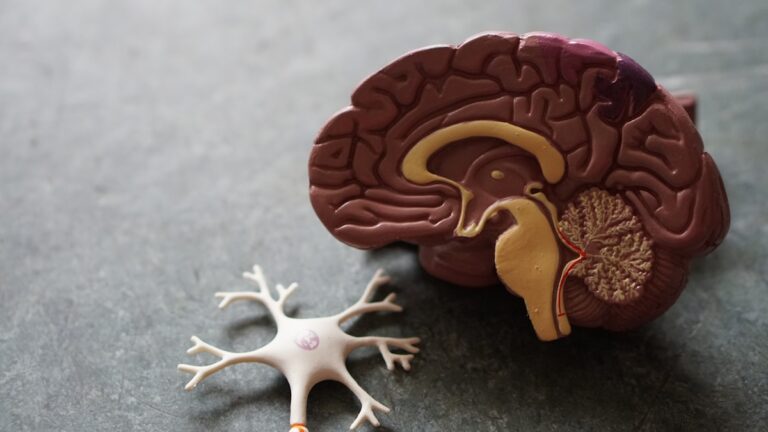
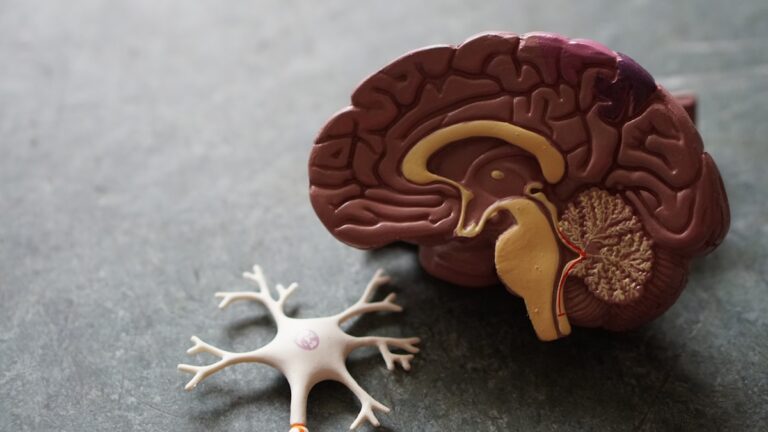
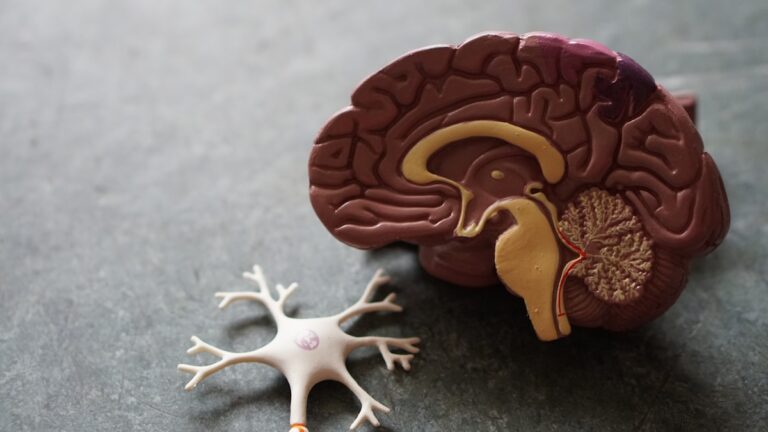
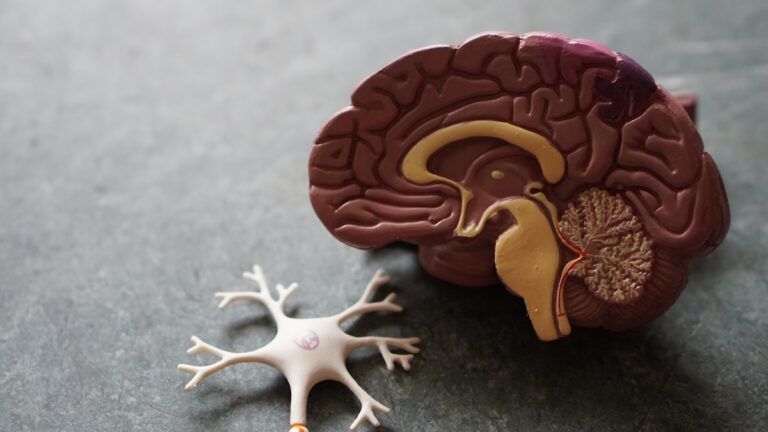
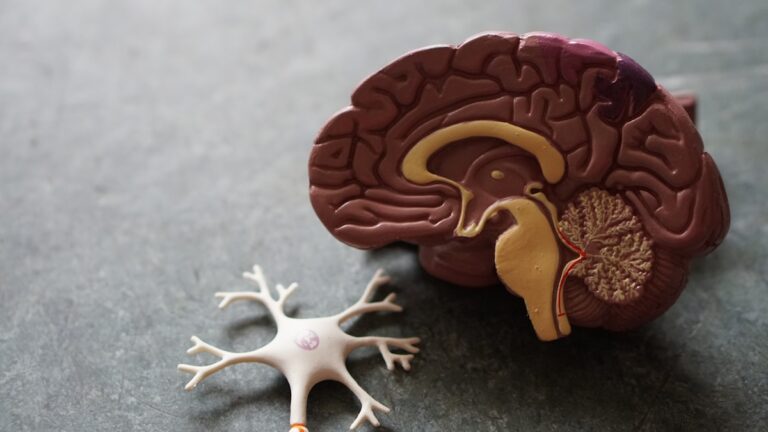
The brain itself undergoes structural changes during perimenopause and menopause as it adapts to new hormone environments; some areas increase their density of estrogen receptors while others show altered activity patterns linked with cognition and emotion regulation[3]. This “brain remodeling” phase can feel chaotic internally much like renovating an old house—stress only adds fuel to this internal upheaval.
In practical terms:
– After a stressful day raising your cortisol level naturally,
– Your already sensitive system struggles more than usual,
– Hot flashes triggered by low estrogen spike both heat sensations *and* anxiety via increased cortisol,
– Night sweats disrupt restorative sleep causing fatigue which lowers tolerance for next-day stress,
– Mood swings intensify due to combined effects on serotonin pathways,
– Cognitive fog worsens making problem-solving harder under pressure.
This creates what feels like an exhausting feedback loop where each factor feeds into another: Stress worsens menopausal symptoms; those symptoms reduce coping ability; reduced coping heightens perceived stress from everyday challenges.
Understanding why menopausal symptoms worsen after stressful days helps clarify why managing both physical health (like improving sleep hygiene or considering hormone therapy) *and* mental well-being (stress reduction techniques such as mindfulness or counseling) are essential strategies for relief during this life stage.
In essence: Menopause makes your body’s thermostat more sensitive while simultaneously weakening its natural buffers against stress hormones—and when life gets tough emotionally or physically on top of that delicate balance being upset by declining hormones—it all feels much worse than it used to before menopause began its complex cascade inside you.