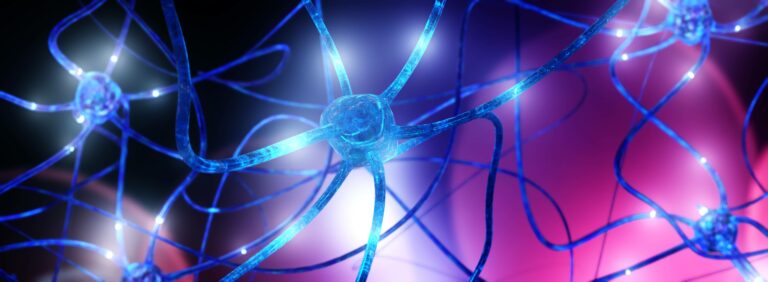
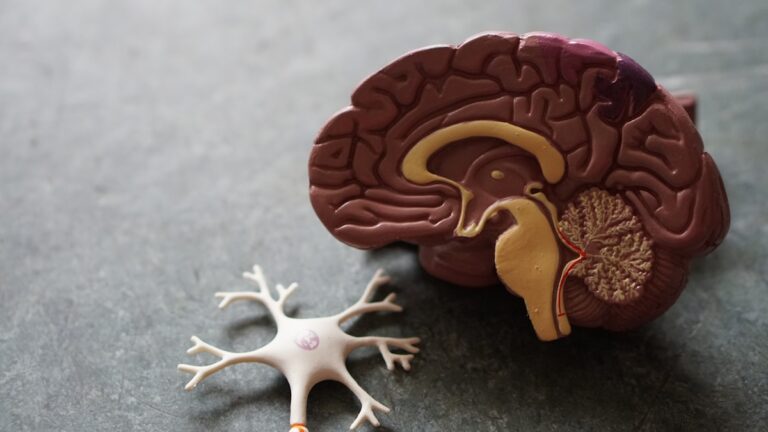
Menopause can indeed cause anxiety, and this connection is rooted primarily in the hormonal changes that occur during this phase of life. As women approach menopause, levels of estrogen and progesterone fluctuate and eventually decline. These hormones play a crucial role in regulating mood by influencing neurotransmitters in the brain, such as serotonin, which helps manage stress and anxiety. When estrogen levels drop, serotonin production can decrease, making it harder for the brain to regulate mood effectively, which can lead to increased feelings of anxiety.
During perimenopause—the transitional period before menopause—hormone levels are especially unstable, which often triggers mood swings and heightened anxiety. This phase can feel like an emotional rollercoaster, even for women who have never experienced anxiety before. The body’s stress hormone, cortisol, also tends to rise during this time, but menopause affects how the body manages cortisol, often resulting in higher overall levels. Elevated cortisol can amplify anxiety symptoms, making stressful situations feel more overwhelming than usual.
Anxiety during menopause often manifests with physical symptoms such as shortness of breath, heart palpitations, sweating, increased blood pressure, and a sense of impending doom. These symptoms can be distressing and may sometimes escalate to panic attacks in more severe cases. Hot flashes, a hallmark symptom of menopause caused by declining estrogen, can also trigger anxiety. The sudden rush of heat and accompanying physical sensations like a racing heart can be frightening, and the anticipation of the next hot flash can keep someone in a state of heightened anxiety. This creates a vicious cycle where anxiety can increase the frequency or intensity of hot flashes, which in turn worsens anxiety.
Sleep disturbances are another significant factor linking menopause and anxiety. Night sweats and insomnia are common during menopause, and poor sleep quality has a direct impact on mood regulation. Even a single night of inadequate sleep can reduce the brain’s ability to cope with stress, and chronic sleep loss during menopause can lead to persistent anxiety and irritability.
Mood changes during menopause are not limited to anxiety. Many women experience irritability, sadness, fatigue, difficulty concentrating, and even depression. These emotional symptoms are often intertwined, making it challenging to separate anxiety from other mood disturbances. The hormonal shifts affect brain chemistry in complex ways, and the physical symptoms of menopause—like hot flashes, vaginal dryness, and sleep problems—can exacerbate emotional distress.
The duration and severity of anxiety related to menopause vary widely among women. Anxiety tends to be most intense during perimenopause when hormone fluctuations are most dramatic. For many, anxiety symptoms lessen after menopause when hormone levels stabilize, but some women may continue to experience anxiety long after menopause due to other factors such as ongoing health issues, life stressors, or pre-existing mental health conditions.
Managing anxiety during menopause often requires a multifaceted approach. Lifestyle changes such as regular exercise, mindfulness practices, a balanced diet, and good sleep hygiene can help reduce symptoms. Social support and counseling may also be beneficial. In some cases, medical treatments like hormone replacement therapy (HRT) or medications such as antidepressants (SSRIs or SNRIs) are recommended to help balance hormones and improve mood.
Understanding that anxiety during menopause is a real and common experience can empower women to seek appropriate help and adopt strategies to manage their symptoms effectively. The hormonal changes that cause anxiety are natural but can be challenging, and addressing both the physical and emotional aspects of menopause is key to improving quality of life during this transition.