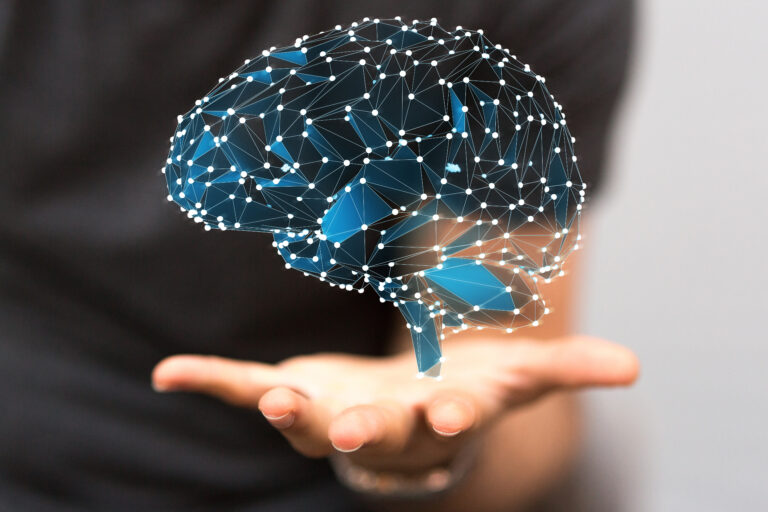
Dementia patients often recall nostalgic songs more easily than names because music engages brain regions and memory systems that remain relatively preserved even as dementia progresses. While dementia typically impairs the ability to retrieve specific facts like names, familiar songs tap into emotional and procedural memory pathways that are deeply ingrained and more resilient.
The brain processes music in a complex way, involving multiple areas including those responsible for emotion, rhythm, and long-term memory. Songs from a person’s youth or significant life periods are stored in long-term memory networks that are often less affected by dementia than the parts of the brain that handle short-term memory or language retrieval. This means that while a patient might struggle to remember a friend’s name, the melody and lyrics of a beloved song can still evoke vivid memories and feelings.
Music also triggers emotional responses by activating the limbic system, which governs emotions and mood. This emotional connection strengthens memory recall because feelings are powerful anchors for memories. When a dementia patient hears a nostalgic song, the emotional resonance can unlock memories associated with that time, place, or experience, creating a sense of recognition and comfort even if other cognitive functions are impaired.
Additionally, music stimulates neuroplasticity—the brain’s ability to form new connections. Rhythmic patterns and melodies can engage the brain in ways that verbal information cannot, helping to preserve cognitive function and provide moments of clarity. This stimulation can reduce anxiety and agitation, common in dementia, by releasing dopamine and promoting relaxation.
Names and faces require more complex cognitive processing, including language centers and working memory, which are often among the first to decline in dementia. Names are arbitrary labels that lack emotional or sensory context, making them harder to retrieve. In contrast, music is multisensory and emotionally rich, providing multiple pathways for memory access.
Personalized music therapy leverages this by using songs that hold personal significance to the individual, enhancing feelings of identity and connection. This approach not only aids memory recall but also improves mood and reduces behavioral symptoms, offering a meaningful way to engage with dementia patients.
In essence, nostalgic songs act as emotional and cognitive keys that unlock memories stored in brain regions less vulnerable to dementia, while names rely on more fragile cognitive systems that deteriorate earlier. This explains why music can be a powerful tool for memory and emotional well-being in dementia care.