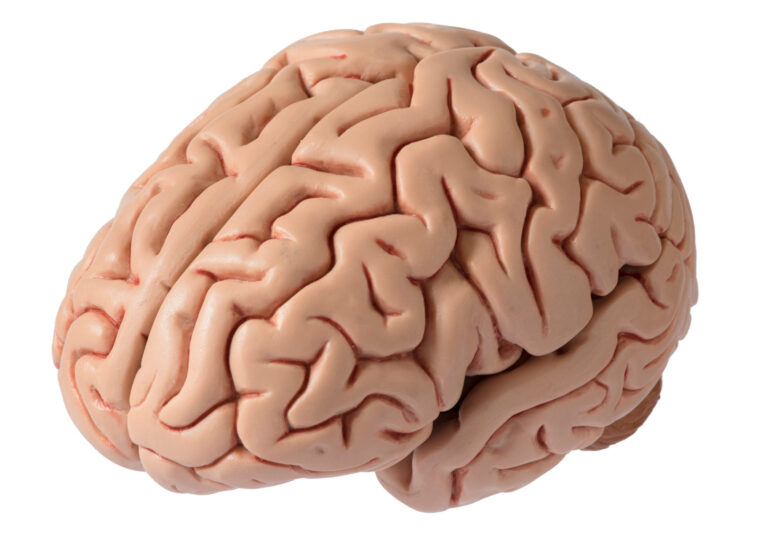
Intermittent fasting (IF) is a dietary approach that cycles between periods of eating and fasting, and it has gained attention for its potential health benefits across various conditions, including multiple sclerosis (MS). MS is a chronic autoimmune disease where the immune system attacks the protective myelin sheath covering nerve fibers in the central nervous system. This leads to inflammation, neurodegeneration, and impaired nerve function. Research into how intermittent fasting might affect MS is still emerging but shows promising avenues related to immune modulation, neuroprotection, symptom improvement, and overall quality of life.
One key area where intermittent fasting appears beneficial in MS relates to **immune system regulation**. Since MS involves an overactive immune response damaging nerve cells, strategies that can calm or rebalance immunity are valuable. Fasting influences metabolic pathways that reduce systemic inflammation by lowering pro-inflammatory cytokines—molecules that drive immune attack—and by promoting anti-inflammatory responses. This shift helps decrease the intensity of autoimmune activity underlying MS progression.
Beyond modulating immunity directly, intermittent fasting promotes **neuroprotection**—the preservation of nerve cells from damage—and supports **remyelination**, which is the repair or replacement of damaged myelin sheaths around nerves. Animal studies have shown that IF increases levels of brain-derived neurotrophic factor (BDNF), a protein crucial for neuron survival and repair mechanisms in the brain and spinal cord. BDNF encourages growth and resilience in neurons affected by demyelination typical in MS.
Additionally, during fasting periods when glucose availability drops, the body produces ketone bodies as alternative energy sources for neurons. Ketones not only supply efficient fuel but also reduce oxidative stress—a harmful process involving free radicals contributing to neuronal injury in MS patients. Oxidative stress exacerbates neurodegeneration; thus reducing it through IF may slow disease progression.
Another important finding from research on IF with respect to MS involves its effect on oligodendrocyte precursor cells—the specialized cells responsible for generating new myelin-forming oligodendrocytes after injury occurs within CNS lesions caused by demyelination events characteristic of MS relapses or progression phases. Intermittent fasting seems to enhance regeneration capacity among these precursor cells facilitating remyelination processes essential for restoring normal nerve conduction.
Clinical studies exploring IF’s impact on people living with relapsing-remitting multiple sclerosis (RRMS) have reported encouraging results regarding symptoms such as fatigue—a common debilitating complaint—and cognitive performance improvements following time-restricted eating schedules where food intake was limited daily to an 8-hour window while abstaining from calories outside this period.
Moreover, intermittent fasting has been linked with better mental well-being outcomes including reductions in depression and anxiety symptoms often experienced by individuals with chronic neurological diseases like MS. These psychological benefits may stem partly from decreased neuroinflammation influenced by metabolic changes during fasts as well as improved neurotransmitter balance affecting mood regulation centers within the brain.
Some patients practicing IF also report enhanced physical function such as improved mobility along with diminished pain sensations which could be related both directly through reduced inflammatory activity affecting nerves involved in pain signaling pathways or indirectly via improved overall energy metabolism supporting muscle function.
While these findings are promising they come primarily from small pilot studies or animal models; large-scale clinical trials are needed before definitive recommendations can be made about incorporating intermittent fasting routinely into treatment plans for people with multiple sclerosis.
In summary:
– Intermittent fasting reduces systemic inflammation implicated in autoimmune attacks.
– It boosts production of BDNF supporting neuron survival.
– Ketone bodies generated during fasts provide alternative fuel reducing oxidative damage.
– Enhances regeneration/remyelination via stimulation of oligodendrocyte precursor cells.
– Improves fatigue levels and cognitive functions observed clinically.
– Positively affects mental health aspects like depression/anxiety linked to neuroinflammation.
– May improve physical symptoms including mobility and pain perception reported subjectively by some patients.
This growing body of research suggests intermittent fasting holds potential not only as a complementar