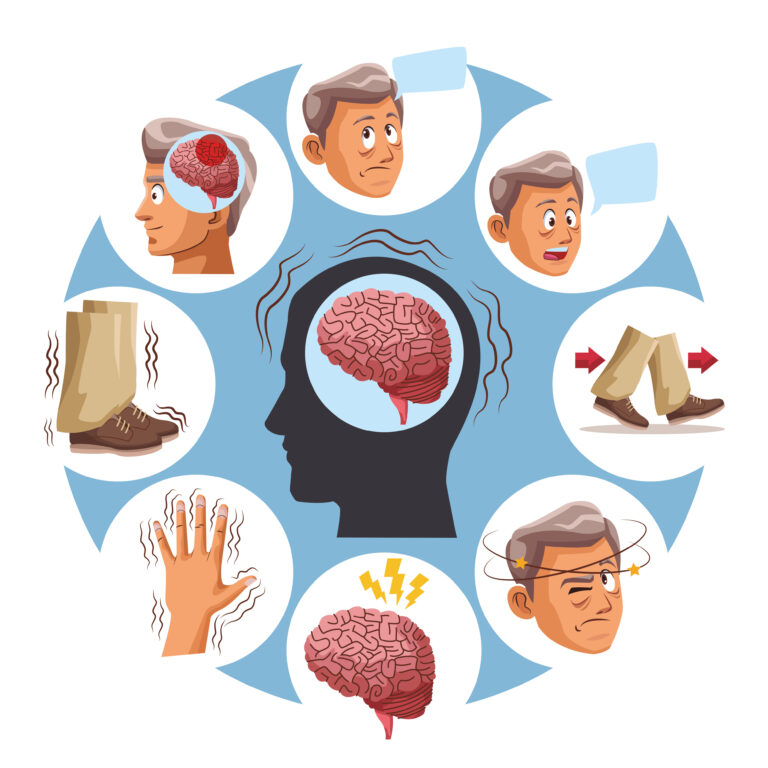
Multiple sclerosis (MS) is a complex neurological condition characterized by the immune system attacking the protective covering of nerve fibers in the central nervous system. This leads to symptoms such as muscle weakness, fatigue, and problems with coordination and vision. In recent years, researchers have become increasingly interested in the role of the gut microbiome—the vast community of bacteria and other microorganisms living in our intestines—in influencing MS. One area of particular focus is the potential for probiotics, which are beneficial live bacteria, to impact the course or symptoms of MS.
The idea behind using probiotics in MS stems from the understanding that the gut and brain communicate closely through what is called the gut-brain axis. This connection involves immune signaling, nerve pathways, and metabolic products produced by gut bacteria. In MS, there is evidence that the balance of gut bacteria is disturbed, a condition known as dysbiosis. This imbalance may contribute to the immune system’s abnormal activity seen in MS. Probiotics could help by restoring a healthier balance of gut microbes, potentially calming the immune system and reducing inflammation.
Experimental research in animals has shown promising results. When probiotics are given to mice engineered to develop MS-like symptoms, these beneficial bacteria can reduce the severity of the disease. They appear to do this by influencing immune cells, such as microglia in the brain, which play a key role in inflammation and nerve damage. Probiotics may encourage these cells to adopt a less aggressive, more protective state. Additionally, probiotics can increase the production of short-chain fatty acids—small molecules produced when gut bacteria digest fiber—which have anti-inflammatory effects and help maintain the integrity of the intestinal barrier. A stronger intestinal barrier prevents harmful substances from leaking into the bloodstream and triggering immune responses.
In human studies, the evidence is still emerging but encouraging. Some clinical trials have tested probiotic supplements in people with MS and found improvements in certain markers of inflammation and immune function. For example, probiotic use has been associated with reduced levels of inflammatory molecules and increased regulatory immune cells that help keep the immune system in check. There are also reports of modest improvements in symptoms such as fatigue and quality of life, although these findings need to be confirmed in larger, longer-term studies.
Another interesting area of research is the link between gut bacteria and chronic pain in MS. Pain is a common and often debilitating symptom for many people with MS. Studies are exploring whether altering the gut microbiome with probiotics could influence pain perception by modulating immune and nerve signaling pathways. While this is a newer field, it highlights the broad potential impact of probiotics beyond just immune regulation.
Despite these promising findings, there are important limitations and unanswered questions. The types and strains of probiotics used vary widely between studies, making it difficult to determine which are most effective. The optimal doses and duration of treatment are also unclear. Moreover, MS is a highly variable disease, and probiotics may not have the same effects in all individuals. It is also important to note that probiotics are not a cure for MS but may serve as a complementary approach alongside conventional therapies.
In summary, the evidence for probiotics in MS points to a potential role in modulating the gut microbiome and immune system to reduce inflammation and possibly improve symptoms. Animal studies provide strong mechanistic support, and early human trials show encouraging signs of benefit. Ongoing research is needed to better understand how to harness probiotics effectively in MS, including identifying the best strains, doses, and treatment regimens. This line of investigation opens a new horizon in managing MS by targeting the gut-brain connection and offers hope for additional tools to support those living with this challenging condition.