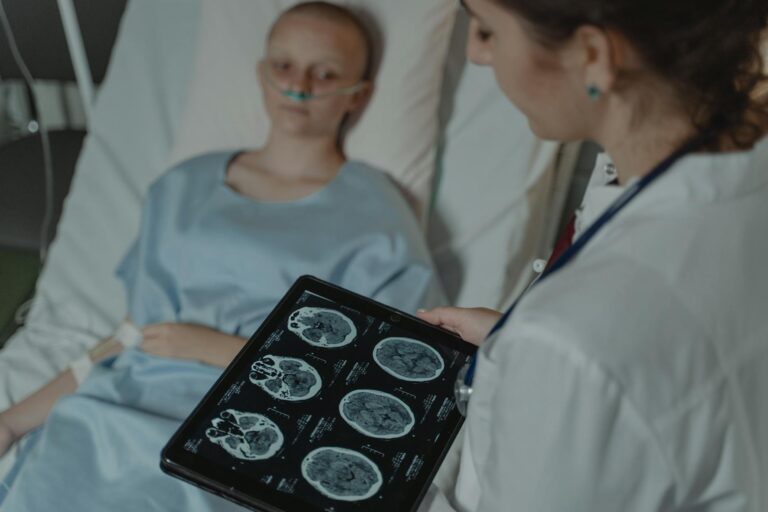
Cancer treatment does not always cause pain, but pain is a common side effect experienced by many patients during or after treatment. Whether or not pain occurs depends on the type of cancer, the specific treatments used, and individual patient factors.
Cancer itself can cause pain if tumors press on nerves, bones, or organs. Treatments such as surgery, chemotherapy, radiation therapy, and immunotherapy can also lead to various types of pain. For example:
– **Surgery** may cause post-operative pain at the site of incision or where tissue was removed.
– **Chemotherapy** often causes painful side effects like mouth sores, headaches, muscle aches, stomach pains, and nerve damage known as peripheral neuropathy (burning or tingling sensations in hands and feet).
– **Radiation therapy** can lead to skin irritation resembling sunburn in treated areas and sometimes nerve damage causing chronic discomfort.
– **Immunotherapy** may produce flu-like symptoms including muscle and joint aches.
Not everyone undergoing these treatments will experience significant pain; some people have mild discomfort while others face more severe symptoms. Pain intensity varies widely based on how aggressive the treatment is and how sensitive an individual’s body is to it.
Pain from cancer treatments can be acute (short-term) during active therapy phases or become chronic if nerves are damaged permanently. Additionally, fatigue related to cancer treatment often accompanies muscle soreness but is distinct from direct painful sensations.
Managing this pain effectively involves a combination of approaches tailored by healthcare providers:
– Medications such as analgesics (painkillers), anti-inflammatory drugs, or nerve-specific medications
– Physical therapies like gentle exercise or massage
– Supportive care including nutrition counseling and psychological support
– Specialized interventions for neuropathic pain
Importantly, increased or unexplained new pains should always be reported promptly since they might signal complications like infections or organ issues requiring immediate attention.
In summary: Cancer treatment does not invariably cause pain for every patient; however it frequently leads to some level of discomfort due to its impact on tissues and nerves. With modern supportive care strategies available today many patients find ways to manage their symptoms effectively throughout their cancer journey.