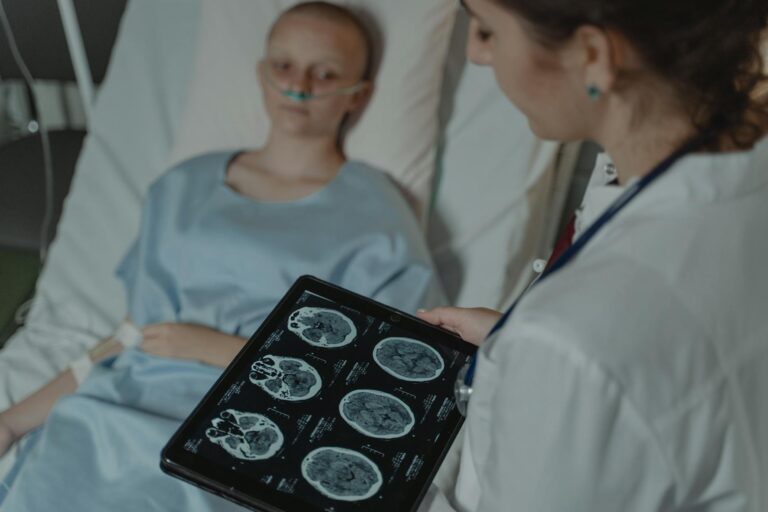
Acupuncture can be a helpful complementary therapy to ease many side effects caused by chemotherapy. It is widely used to reduce nausea and vomiting, alleviate fatigue, relieve pain, improve sleep quality, and reduce anxiety during cancer treatment. Many patients undergoing chemotherapy find acupuncture sessions provide a sense of calm and physical relief amid the challenges of their medical care.
Chemotherapy often causes unpleasant symptoms because it targets rapidly dividing cells not only in tumors but also in healthy tissues like those lining the digestive tract or nerves. This leads to nausea, vomiting, fatigue, neuropathy (nerve pain or numbness), and other issues that diminish quality of life. Acupuncture works by stimulating specific points on the body’s surface with very thin needles; these points correspond to pathways that influence organ function and nervous system activity.
When acupuncture needles stimulate these points, they encourage the release of natural chemicals such as endorphins—our body’s own painkillers—and help regulate neurological signals involved in nausea control and stress response. Improved blood flow from acupuncture may also support tissue healing and immune function. The calming effect on the nervous system helps reduce anxiety related to cancer diagnosis and treatment.
Patients receiving acupuncture during chemotherapy often report less severe nausea after sessions compared with those who do not receive it. It can also help manage joint pain caused by certain hormone therapies used alongside chemo for breast cancer patients. Fatigue—a common complaint—is sometimes reduced through improved energy levels following regular treatments.
The process typically begins with an initial consultation where practitioners review your medical history, current symptoms from chemotherapy side effects, emotional state, and overall health goals. Treatments are personalized based on this information while always coordinating with your oncologist’s care plan so nothing interferes with conventional treatments.
Acupuncture is generally safe when performed by licensed professionals experienced in working with cancer patients; they use sterile needles specifically designed for this purpose. Sessions usually last about 30 minutes each and may be scheduled weekly or more frequently depending on symptom severity.
Besides direct symptom relief during active chemotherapy cycles, acupuncture can support recovery afterward by helping rebuild strength and address lingering issues like neuropathy or chronic fatigue that sometimes persist post-treatment.
In addition to needle therapy alone, some integrative approaches combine acupuncture with herbal medicine tailored for oncology patients under professional guidance—this combination aims at reducing inflammation further supporting immune health without conflicting with standard cancer therapies.
While acupuncture does not replace any part of conventional cancer treatment such as surgery or drug therapy aimed at eradicating tumors—it serves as a valuable adjunctive tool focused on improving comfort levels throughout what can be an arduous journey through chemo side effects.
Many hospitals now include acupuncture services within their oncology departments recognizing its role in comprehensive supportive care programs designed around patient well-being rather than just disease management alone.
If you are considering acupuncture during chemotherapy:
– Discuss it openly with your oncologist first.
– Seek out licensed acupuncturists experienced in oncology care.
– Be consistent but patient; benefits often accumulate over multiple sessions.
– Use it alongside other supportive measures like nutrition counseling or mindfulness practices for best results.
Ultimately, while individual responses vary somewhat due to differences in biology and type of chemo regimen received—acupuncture stands out as one of the most promising non-pharmacological options available today for mitigating many distressing side effects associated with chemotherapy treatments without adding extra medication burden or toxicity risks.