Cancer patients often need rehabilitation after treatment to help restore their physical function, manage side effects, and improve overall quality of life. Rehabilitation is not just about recovering from surgery or medical treatments; it plays a crucial role in helping patients regain strength, mobility, independence, and confidence as they transition back to daily activities.
Cancer treatments such as surgery, chemotherapy, radiation therapy, or a combination can leave patients with significant challenges. These may include pain, fatigue, muscle weakness, reduced endurance, swelling (like lymphedema), limited range of motion especially around surgical sites (such as the shoulder after breast cancer surgery), difficulties with speech or swallowing if head and neck areas were affected, and psychological impacts like anxiety or depression. Rehabilitation addresses these issues through tailored therapies designed specifically for each patient’s needs.
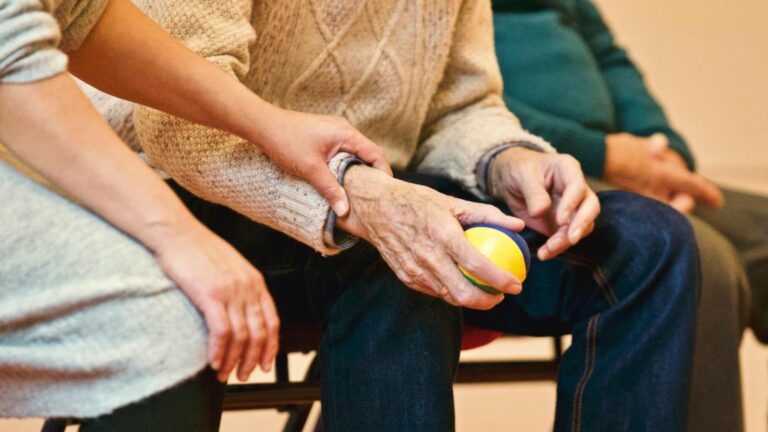
Physical therapy is one of the most common forms of rehabilitation after cancer treatment. For example, breast cancer survivors often benefit from physical therapy that focuses on reducing pain and swelling in the arm and shoulder area while improving posture and core strength. This helps prevent complications such as lymphedema—a buildup of lymph fluid causing swelling—and restores upper limb function so patients can return to work or hobbies more quickly. Physical therapists use gentle exercises that are customized based on how much healing has occurred to ensure comfort while promoting recovery.
Exercise-based rehabilitation programs are widely recommended because they improve muscle strength and joint flexibility without overtaxing the body. These programs typically combine aerobic activities (like walking), resistance training (light weights or bands), stretching exercises for flexibility, and balance training to reduce fall risk. When done under professional supervision with appropriate frequency and intensity adjustments according to individual tolerance levels, exercise interventions have been shown to significantly reduce postoperative pain; control lymphedema; enhance shoulder range of motion; increase upper limb function; boost energy levels; decrease fatigue; improve mental well-being; and elevate overall quality of life.
Beyond physical improvements alone—rehabilitation also supports psychological adjustment by helping survivors regain a sense of control over their bodies at a time when many feel vulnerable due to illness-related changes. Strength-building exercises contribute not only physically but mentally by fostering confidence through achievable progress milestones that encourage persistence despite occasional setbacks like low energy days.
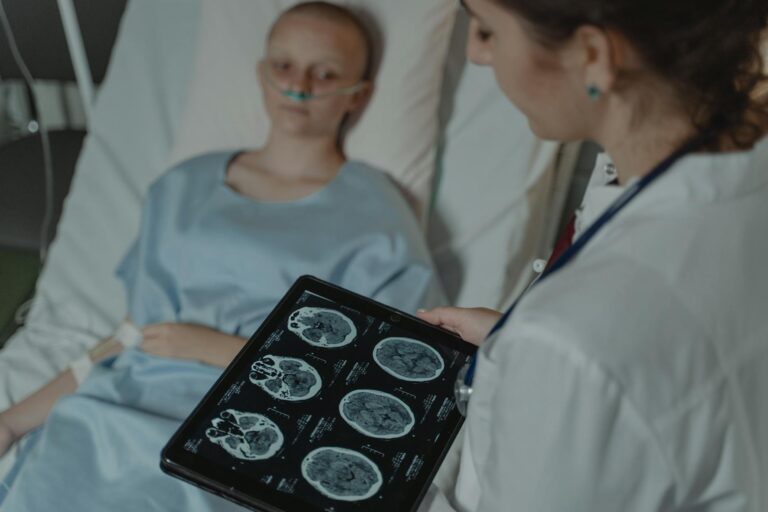
Inpatient acute rehabilitation may be necessary for some oncology patients who experience severe functional impairments following intensive treatments or surgeries requiring hospital stays focused on restoring independence in basic daily living tasks such as eating independently or managing personal hygiene safely again before returning home. This type of rehab involves multidisciplinary teams working closely with oncologists so therapy complements ongoing medical care seamlessly while addressing complex needs including communication skills if speech was affected by treatment.
Rehabilitation services extend beyond physical therapy alone: occupational therapy helps patients relearn everyday tasks like dressing or cooking when fine motor skills are impaired; speech-language pathology assists those who have difficulty swallowing safely post-treatment or need voice restoration techniques after head/neck cancers; nutritional counseling ensures adequate caloric intake supporting tissue healing during recovery phases.
Importantly—rehabilitation should ideally begin early during cancer treatment rather than waiting until all medical interventions conclude because early intervention prevents complications from becoming entrenched problems later on—for example starting gentle movement soon after surgery reduces stiffness risks substantially compared with prolonged inactivity which leads to muscle wasting.
Each patient’s rehab plan must be individualized considering factors such as type/stage/location of cancer treated; specific therapies received (surgery vs radiation vs chemo); pre-existing health conditions affecting tolerance for exercise/therapy intensity; psychosocial support systems available at home influencing motivation/adherence levels—and goals prioritized by the patient themselves whether returning fully to work duties versus resuming light recreational activities initially is most important at that stage in recovery journey.
In summary — yes — cancer patients do need rehabilitation following treatment because it addresses both immediate impairments caused by disease/treatment effects plus long-term functional deficits impacting quality-of-life domains physically emotionally socially cognitively allowing survivors not only greater longevity but better living beyond their diagnosis experience itself through structured supportive care aimed at whole-person restoration rathe