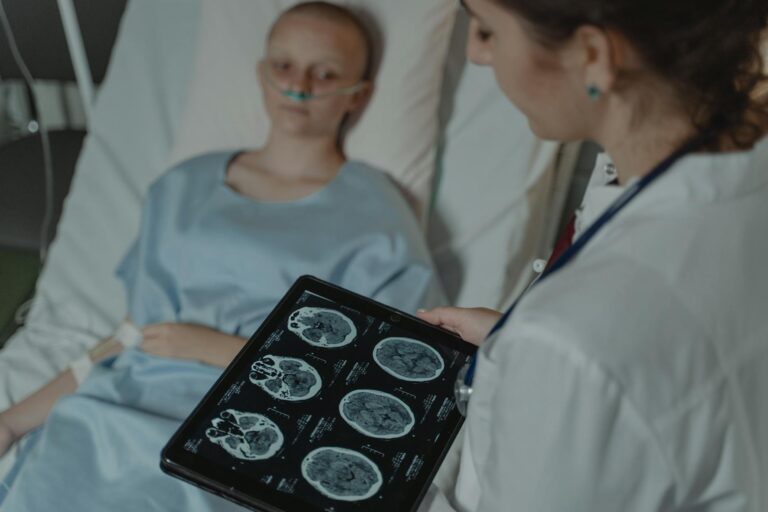
Cancer patients undergoing therapy often need more sleep than usual because sleep plays a crucial role in supporting the body’s healing and recovery processes during treatment. Cancer treatments such as chemotherapy, radiation, surgery, and hormone therapy can be physically and emotionally exhausting, increasing the body’s demand for rest to repair tissues, strengthen the immune system, and manage fatigue.
Sleep is not just a passive state of rest; it actively supports cancer recovery by triggering biological processes essential for healing. During deep stages of sleep, the body releases growth hormones that help repair damaged tissues caused by cancer treatments. This tissue repair is vital after surgeries or aggressive therapies that damage healthy cells along with cancer cells. Without adequate deep sleep, these reparative processes may be slowed down.
Moreover, quality sleep boosts immune function by promoting the production of cytokines—proteins that help fight infections and reduce inflammation. Since cancer treatments often weaken immunity or cause inflammation in the body, sufficient restorative sleep helps maintain immune defenses against infections and may even influence how well treatment controls tumor growth.
Cancer-related fatigue is one of the most common side effects experienced during therapy. This fatigue differs from normal tiredness because it does not always improve with rest alone; however, getting enough good-quality sleep can alleviate some symptoms of this exhaustion. Patients are encouraged to establish consistent bedtime routines—such as going to bed at regular times each night—and create an environment conducive to restful sleep (cool room temperature, darkness, quietness). Avoiding stimulants like caffeine or alcohol before bedtime also helps improve sleep quality.
However, many cancer patients face challenges falling asleep or staying asleep due to factors like anxiety about their diagnosis or prognosis; side effects from medications including steroids or hormone therapies; pain; hot flashes (especially in hormone-sensitive cancers); depression; or disruptions caused by hospital stays and frequent medical appointments. These issues can lead to insomnia—a difficulty initiating or maintaining sleep—which further exacerbates fatigue and emotional distress.
To address these difficulties:
– Relaxation techniques such as meditation, guided imagery, deep breathing exercises before bed can calm anxiety.
– Limiting daytime naps prevents interference with nighttime sleeping patterns.
– Cognitive Behavioral Therapy for Insomnia (CBT-I) has shown effectiveness specifically among cancer patients struggling with persistent insomnia.
– If necessary due to severe symptoms disrupting life quality significantly—doctors might prescribe short-term medications targeted at improving sleep while carefully monitoring side effects.
Physical activity tailored to individual capability also supports better energy levels during waking hours without causing excessive tiredness at night when done regularly but moderately paced (e.g., walking 30 minutes several days per week). Exercise improves circulation which benefits overall wellness including mental health aspects related to stress reduction.
Nutrition plays an indirect but important role: balanced meals rich in protein support energy maintenance needed throughout treatment days so patients feel less drained overall which positively influences their ability to engage in restful activities including proper sleeping habits.
In summary — yes — **cancer patients generally need more high-quality restorative sleep during therapy** than they might otherwise require under normal health conditions because their bodies are working harder both physically repairing damage from treatment and fighting disease internally through immune responses. Achieving this increased need for good rest requires attention not only on quantity but also on improving factors affecting *sleep quality* amidst challenges posed by symptoms and treatment side effects.
Key points about why extra/restorative sleep matters during cancer therapy:
– Supports tissue repair via growth hormone release
– Strengthens immune system through cytokine production
– Helps manage debilitating fatigue associated with treatment
– Improves emotional well-being reducing anxiety/depression impacts on rest
– Enhances long-term outcomes potentially influencing tumor control
Practical tips include establishing consistent routines around bedtime hygiene practices plus addressing underlying causes of poor sleeping patterns proactively through relaxation methods or professional interventions when needed.
This approach recognizes that while every patient’s experience varies depending on type/stage of cancer plus specific therapies used—the fundamental biological importance of increased restorative sleep remains a cornerstone supportive measure throughout all phases of active oncology care.