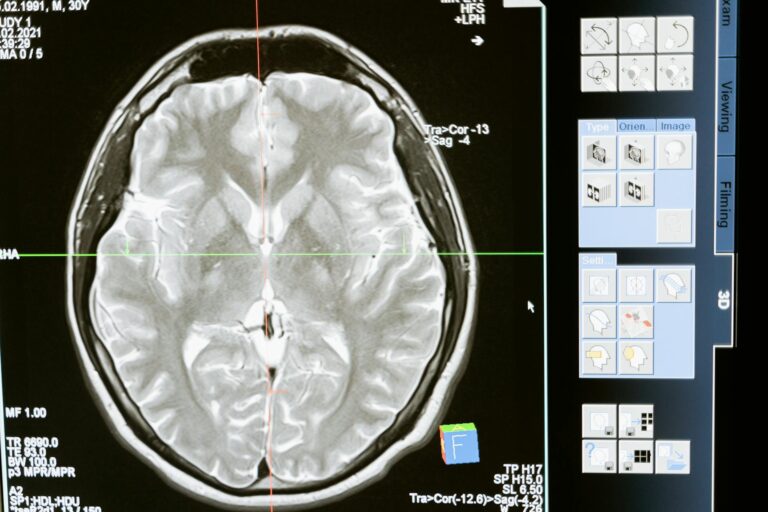
**Absorbed dose** and **effective dose** are two important but distinct concepts used to describe radiation exposure, especially in medical, environmental, and occupational settings. Understanding the difference between them is crucial for assessing radiation risk accurately.
The **absorbed dose** is a physical measurement of how much energy from ionizing radiation is deposited per unit mass of tissue or material. It tells you exactly how much radiation energy has been absorbed by a specific part of the body or an object. The unit commonly used for absorbed dose is the gray (Gy), where 1 gray equals 1 joule of energy absorbed per kilogram of tissue. Another older unit sometimes used is the rad (radiation absorbed dose), where 100 rad equals 1 Gy.
Absorbed dose simply quantifies *how much* radiation energy has been taken up by matter; it does not consider what type of radiation caused it or which tissues were affected. For example, if you receive an absorbed dose of 1 Gy from X-rays to your chest, that means each kilogram of chest tissue received one joule of energy from those X-rays.
However, not all types of ionizing radiation cause the same biological damage even if they deposit equal amounts of energy. Alpha particles cause more severe damage than gamma rays at the same absorbed doses because alpha particles have higher ionization density along their path through cells.
This leads to why **effective dose** exists: it accounts for both *the type* (quality) of radiation and *the sensitivity* or radiosensitivity differences among various organs and tissues in terms of long-term health effects like cancer risk.
Effective dose takes into consideration:
– The **radiation weighting factor**, which adjusts for how damaging different types of radiation are biologically compared to a reference (usually X-rays/gamma rays). For instance, alpha particles have a higher weighting factor than beta particles.
– The **tissue weighting factor**, which reflects that some organs are more sensitive to stochastic effects such as cancer induction than others—for example, bone marrow and lungs have higher weights compared to skin or muscle.
By combining these factors with the absorbed doses received by different tissues throughout the body, effective dose provides a single number representing overall potential harm from non-uniform exposures across multiple organs.
The unit for effective dose is the sievert (Sv), which incorporates these biological considerations making it more meaningful when estimating health risks rather than just measuring raw physical absorption. Smaller units like millisieverts (mSv) or microsieverts (µSv) are often used since typical exposures tend to be fractions rather than whole sieverts.
To illustrate with examples:
– A chest X-ray might deliver an average *absorbed* dose around 0.1 milligray but its *effective* dose would be lower because only certain tissues absorb that amount and because X-rays have relatively low biological impact per unit energy.
– A CT scan delivers higher absorbed doses—maybe on order 10 mGy—but its effective doses reflect both this increased absorption plus organ sensitivities involved in imaging areas like abdomen/pelvis resulting in effective doses measured in several millisieverts indicating greater overall risk potential compared with simple radiographs.
In summary:
| Aspect | Absorbed Dose | Effective Dose |
|———————-|————————————-|—————————————————-|
| Definition | Energy deposited per mass | Risk-weighted sum accounting for type & tissue |
| Unit | Gray (Gy) / rad | Sievert (Sv) / rem |
| Accounts for | Physical amount only | Radiation type + organ/tissue radiosensitivity |
| Purpose | Quantify actual exposure | Estimate overall stochastic health risk |
| Use case | Dosimetry measurements | Radiation protection guidelines & risk assessment |
While both measures relate closely—they start with measuring how much energy hits your body—the key difference lies in what happens after: Absorbe