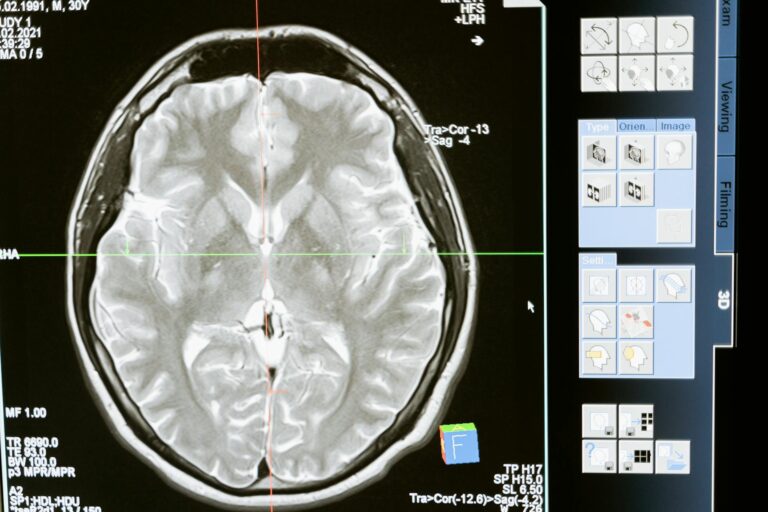
Radiation therapy is a powerful tool in the fight against cancer, designed to destroy cancer cells and prevent them from growing or spreading. While it can be highly effective in curing or controlling cancer, the question arises: can radiation therapy shorten a person’s lifespan even if it successfully cures the cancer? The answer is nuanced and depends on several factors including the type of cancer, the radiation dose, the area treated, and the individual’s overall health.
Radiation therapy works by using high-energy rays or particles to damage the DNA inside cancer cells, which stops them from dividing and growing. Because it targets rapidly dividing cells, it can also affect some normal cells nearby, leading to side effects. These side effects can be short-term, such as fatigue, skin irritation, or mild inflammation of nearby organs, or long-term, including tissue scarring, fibrosis, or damage to organs near the treatment site.
Even when radiation therapy cures cancer, it can cause changes in the body that might impact lifespan indirectly. For example, radiation to the chest area can increase the risk of heart or lung problems years later. Radiation to the abdomen or pelvis can cause chronic issues with the bladder, bowel, or reproductive organs. These late effects might not be immediately apparent but can contribute to health complications over time.
The risk of radiation therapy shortening lifespan is generally low compared to the benefit of curing cancer, especially with modern techniques that precisely target tumors while sparing healthy tissue. Advances like stereotactic body radiation therapy (SBRT) deliver high doses of radiation very accurately, reducing collateral damage. Careful planning and daily management during treatment help minimize side effects and long-term risks.
However, the possibility of radiation-induced secondary cancers exists. Radiation can sometimes cause mutations in normal cells that may lead to new cancers many years after treatment. This risk is small but real, and it is weighed carefully by doctors when recommending radiation therapy.
Another factor is the patient’s age and overall health. Older patients or those with pre-existing conditions may be more vulnerable to the side effects of radiation, which could affect their lifespan. Conversely, for many patients, curing cancer with radiation therapy significantly improves survival compared to untreated cancer, which would almost certainly shorten life.
In some cases, radiation therapy is combined with chemotherapy, which can increase the intensity of side effects and potential long-term damage. This combined approach is often necessary for aggressive or advanced cancers but requires careful monitoring.
Managing side effects during and after radiation therapy is crucial. Patients are encouraged to maintain hydration, follow dietary recommendations, and report any symptoms promptly to their healthcare team. Supportive care, including physical therapy and symptom management, can improve quality of life and reduce complications.
In summary, while radiation therapy can have side effects that might impact lifespan, the overall goal is to cure or control cancer, which itself is life-threatening. Modern radiation techniques and careful patient management have greatly reduced the risks of serious long-term harm. The decision to use radiation therapy involves balancing the benefits of curing cancer against the potential risks, with the understanding that untreated cancer poses a far greater threat to life.