Alcohol consumption is a common practice in many cultures and societies. While moderate drinking may have some health benefits, excessive and long-term alcohol consumption can have severe consequences on the brain and overall cognitive function. One of the most significant and potentially debilitating consequences of excessive alcohol use is the development of alcohol-induced neurocognitive disorder (ANCD).
Alcohol-induced neurocognitive disorder, also known as alcohol-related dementia, is a type of neurocognitive disorder caused by chronic and heavy alcohol consumption. It is characterized by a decline in cognitive function, including memory, problem-solving, and decision-making abilities. ANCD is a severe and irreversible condition that can have a significant impact on an individual’s daily life, relationships, and overall well-being.
The exact cause of ANCD is still not fully understood, but it is believed to result from a combination of factors. Chronic alcohol consumption can lead to brain damage by damaging brain cells and shrinking brain tissue. The toxic effects of alcohol can also disrupt the communication between neurons, leading to impaired cognitive function. Additionally, heavy alcohol consumption can also deplete essential vitamins and minerals in the body, such as vitamin B1 and B12, which are crucial for brain function.
The symptoms of ANCD can vary from person to person, but they generally include memory loss, difficulty concentrating, problems with decision-making and problem-solving, confusion, and changes in mood and behavior. These symptoms can significantly impact an individual’s ability to live independently and perform daily tasks. In severe cases, ANCD can lead to a loss of motor coordination, resulting in difficulties with balance and walking.
There are several risk factors that increase the likelihood of developing ANCD. The most significant risk factor is chronic and heavy alcohol consumption. The risk also increases with age, as the brain becomes more vulnerable to alcohol’s toxic effects over time. Genetics also play a role, as individuals with a family history of ANCD or other forms of dementia are at a higher risk. Other risk factors include poor nutrition, smoking, and a history of head injuries.
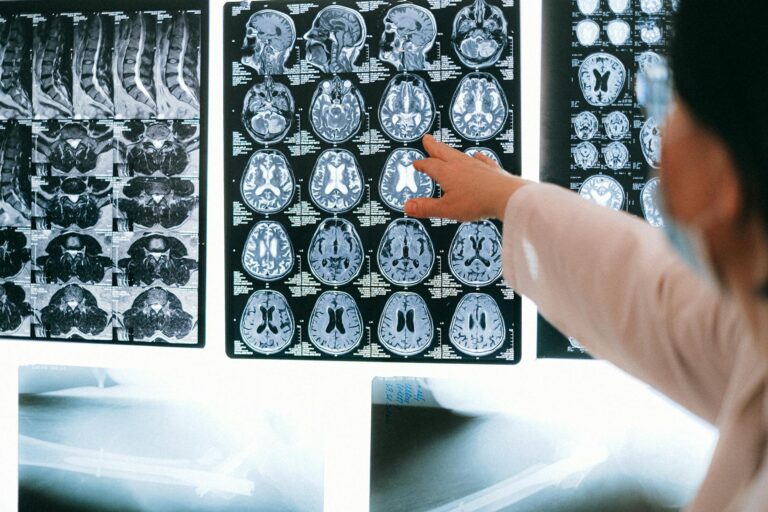
The diagnosis of ANCD can be complex, as it shares symptoms with other forms of dementia. A comprehensive evaluation by a healthcare professional, including a physical examination, medical history, and cognitive testing, is crucial in determining the presence and severity of ANCD. Brain imaging techniques, such as MRI or CT scans, may also be used to assess brain damage.
Unfortunately, there is no cure for ANCD. However, early detection and treatment can help slow down the progression of the disorder and improve an individual’s quality of life. The first step in treatment is to stop or reduce alcohol consumption. This can prevent further damage to the brain and may even improve some cognitive functions. Additionally, medications such as cholinesterase inhibitors may be prescribed to help manage symptoms and improve cognitive function.
It is also essential to address any underlying mental health issues that may have contributed to alcohol abuse. Therapy and support groups can help individuals develop coping strategies and maintain sobriety. A healthy diet and regular exercise can also play a significant role in managing ANCD symptoms.
Prevention is key in avoiding the devastating effects of ANCD. Limiting alcohol consumption to moderate levels is crucial in preventing brain damage and the development of ANCD. For men, moderate drinking is defined as no more than two drinks per day, and for women, no more than one drink per day. It is also essential to maintain a healthy lifestyle, including a balanced diet and regular exercise, to reduce the risk of developing ANCD.
In conclusion, alcohol-induced neurocognitive disorder is a severe and irreversible condition caused by chronic and heavy alcohol consumption. It can have a significant impact on an individual’s cognitive function and daily life. Early detection and treatment, along with lifestyle changes, can help slow down the progression of the disorder and improve an individual’s quality of life. It is crucial to raise awareness about the potential consequences of excessive alcohol consumption and promote moderation to prevent the development of ANCD.