Bacterial meningitis is a potentially life-threatening infection that can cause serious damage to the brain. It occurs when certain bacteria enter the meninges, which are the protective membranes that cover the brain and spinal cord. This infection can lead to swelling and inflammation of the brain, resulting in brain damage.
The bacteria that cause meningitis can be transmitted through respiratory secretions, such as saliva or mucus, and can also be contracted through close contact with an infected person. Those most at risk for bacterial meningitis include young children, older adults, and individuals with weakened immune systems.
Symptoms of bacterial meningitis can vary, but often include a sudden onset of high fever, severe headache, stiff neck, nausea or vomiting, and confusion or altered mental status. In some cases, a rash may also develop. These symptoms can progress rapidly and require immediate medical attention.
One of the most serious complications of bacterial meningitis is brain damage. This can occur due to the inflammation and swelling of the brain, which puts pressure on the delicate tissues and causes damage. The severity of the brain damage depends on factors such as the type of bacteria causing the infection, the age and overall health of the individual, and how quickly treatment is received.
In some cases, brain damage from bacterial meningitis can be permanent and have a long-lasting impact on an individual’s life. It can affect their cognitive abilities, such as memory and learning, as well as their physical abilities and coordination. This can result in difficulties with daily tasks and may require long-term rehabilitation.
Another potential consequence of bacterial meningitis brain damage is seizures. The inflammation of the brain can cause abnormal electrical activity, leading to seizures. These seizures may be temporary or recurring, depending on the extent of the damage.
In rare cases, bacterial meningitis can also lead to hydrocephalus, a condition in which there is an excess of cerebrospinal fluid in the brain. This can result in increased pressure on the brain and may require surgical intervention to drain the fluid.
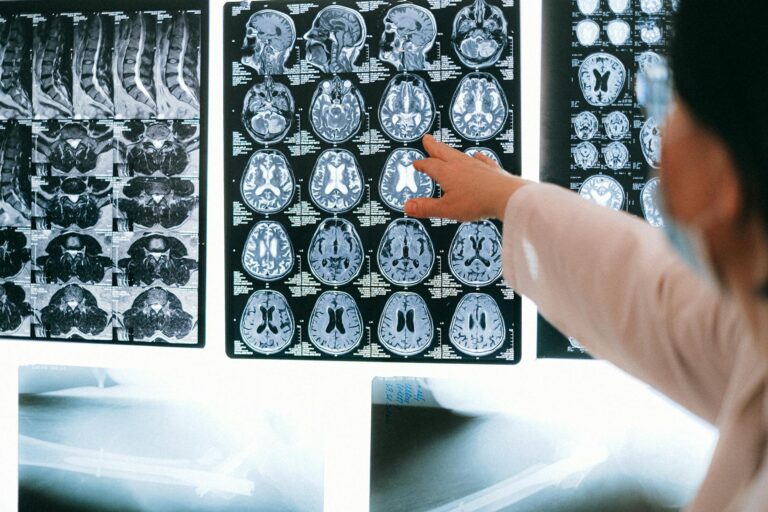
Early diagnosis and treatment are crucial in preventing brain damage from bacterial meningitis. If meningitis is suspected, a doctor will perform a physical exam and may order tests such as blood tests, cerebrospinal fluid analysis, or imaging scans to confirm the diagnosis. Antibiotics are the main treatment for bacterial meningitis, and they must be administered as soon as possible to prevent further damage.
In addition to medical treatment, supportive care is also essential in managing the effects of bacterial meningitis brain damage. This may include physical and occupational therapy to address any physical limitations and cognitive rehabilitation to help with memory and thinking skills.
Prevention is key in protecting against bacterial meningitis brain damage. Keeping up-to-date on vaccinations, especially for children, can help prevent the most common types of bacterial meningitis. It is also important to practice good hygiene and avoid close contact with individuals who have respiratory infections.
In conclusion, bacterial meningitis can lead to serious brain damage if not diagnosed and treated promptly. It is essential to seek medical attention at the first sign of symptoms and to follow through with recommended vaccinations. While brain damage from meningitis can have a lasting impact, early treatment and rehabilitative care can greatly improve an individual’s chances of recovery. It is vital to raise awareness about the potential consequences of bacterial meningitis and take steps to prevent its spread.