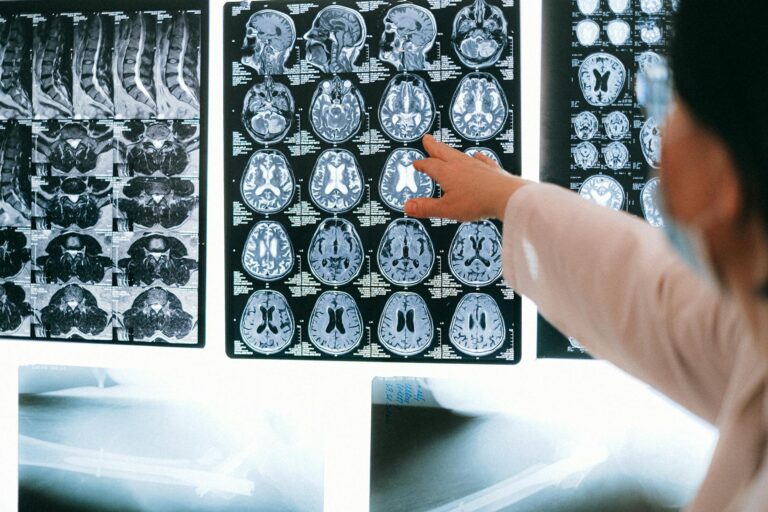
Dementia and geriatric cognitive disorders, also known as neurocognitive disorders, are a group of conditions that affect the brain and impair cognitive functioning in older adults. These disorders can have a significant impact on a person’s memory, thinking, behavior, and ability to perform daily activities. Dementia and geriatric cognitive disorders are common in the elderly population, with Alzheimer’s disease being the most well-known and prevalent form. However, there are several other types of dementia and cognitive disorders, each with its own unique symptoms and progression.
Dementia is not a single disease but rather an umbrella term used to describe a variety of progressive brain disorders. It is estimated that over 50 million people worldwide live with dementia, with nearly 10 million new cases being reported every year. As the global population continues to age, it is predicted that these numbers will continue to rise significantly.
Symptoms of Dementia and Geriatric Cognitive Disorders
The most common symptoms associated with dementia and geriatric cognitive disorders include memory loss, difficulty with language and communication, impaired judgment, and changes in mood and behavior. As the disorder progresses, these symptoms become more severe, making it challenging for individuals to perform even simple tasks like dressing themselves or remembering their loved ones.
One of the first signs of dementia is often memory loss, which can start as minor forgetfulness and gradually progress to severe confusion and disorientation. For example, a person may forget recent events, repeat themselves frequently, or struggle to remember names and faces. Difficulty with language and communication can also cause frustration and confusion for both the individual and their loved ones. They may struggle to find the right words or have trouble understanding what others are saying, making it challenging to maintain social relationships.
As dementia and geriatric cognitive disorders progress, individuals may also experience changes in their mood and behavior. They may become irritable, agitated, or exhibit uncharacteristic behaviors such as wandering or hoarding. These changes in behavior can be challenging for caregivers and family members to manage, and they may feel overwhelmed and unsure of how to support their loved one.
Types of Dementia and Geriatric Cognitive Disorders
Alzheimer’s disease is the most common form of dementia, accounting for 60-80% of cases. This degenerative brain disorder primarily affects memory and thinking, and its exact cause is still unknown. Other forms of dementia include vascular dementia, caused by a lack of blood flow to the brain, and Lewy body dementia, which is closely related to Parkinson’s disease. There are also less common forms of dementia, such as frontotemporal dementia, which affects the frontal and temporal lobes of the brain, and Creutzfeldt-Jakob disease, a rare degenerative brain disorder caused by an abnormal protein.
Geriatric cognitive disorders include conditions that affect cognitive functioning but do not fall under the umbrella of dementia. These can include mild cognitive impairment, which is a slight decline in cognitive abilities that does not significantly impact daily functioning, and delirium, a sudden onset of confusion and disorientation caused by illness or medication.
Diagnosis and Treatment
Diagnosing dementia and geriatric cognitive disorders can be challenging as many of the symptoms overlap with those of other conditions. A thorough medical evaluation, which includes a physical exam, cognitive testing, and brain imaging, is necessary to make an accurate diagnosis. It is essential to seek medical attention if you or a loved one is experiencing memory loss or other symptoms associated with dementia or cognitive disorders.
While there is currently no cure for most forms of dementia, early diagnosis can help individuals and their families better prepare for the future. Treatment options focus on managing symptoms and improving quality of life. This can include medications to manage cognitive symptoms, behavioral therapy to address mood and behavior changes, and lifestyle modifications such as a healthy diet and regular exercise.
Support for Individuals and Caregivers
Dementia and geriatric cognitive disorders not only impact the individuals living with them, but they also have a significant impact on their families and caregivers. Caring for a loved one with dementia can be emotionally and physically exhausting, and it is essential to seek support and resources. There are numerous community resources available, such as support groups and respite care, to help caregivers navigate the challenges of caring for someone with dementia.
In conclusion, dementia and geriatric cognitive disorders are a group of progressive brain disorders that primarily affect older adults. These conditions can have a significant impact on a person’s memory, thinking, behavior, and daily functioning. While there is no cure, early diagnosis and interventions can help manage symptoms and improve quality of life. It is essential to seek medical attention and support from community resources if you or a loved one is experiencing symptoms associated with dementia or cognitive disorders.