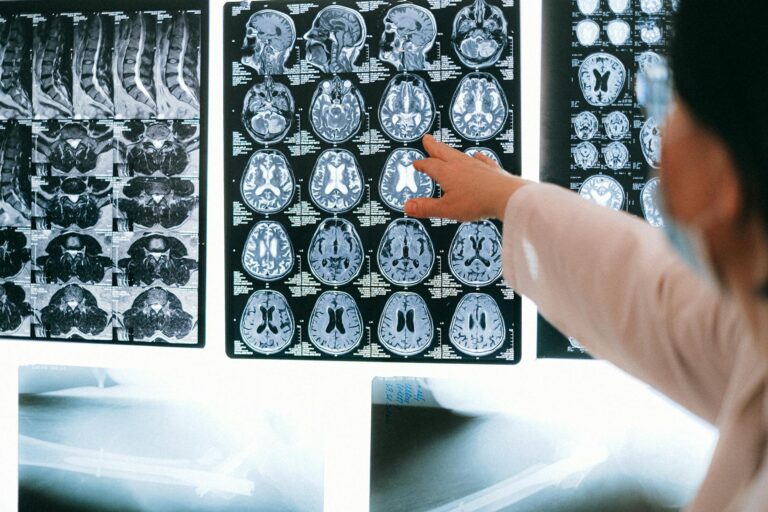
Dementia is a term used to describe a decline in cognitive function, which often impacts an individual’s ability to think and remember clearly. There are several types of dementia, each with its own unique set of symptoms and causes. One type that is less commonly known is garrulity dementia.
Garrulity dementia is a form of frontotemporal dementia, which affects the frontal and temporal lobes of the brain. These areas are responsible for language, behavior, and decision-making. As such, those with garrulity dementia may experience changes in their personality and language abilities.
The main symptom of garrulity dementia is excessive talking or talking in a nonsensical, repetitive manner. This is often referred to as logorrhea, and it can be a result of damage to the frontal lobe. As the condition progresses, individuals may also struggle with finding the right words or understanding complex language.
Other symptoms of garrulity dementia may include impulsive behavior, lack of social awareness, and difficulty with planning and decision-making. The combination of these symptoms can make it challenging for individuals to maintain relationships or function independently.
One of the key challenges of diagnosing garrulity dementia is that it can often be mistaken for other conditions, such as depression or bipolar disorder. This is because individuals with garrulity dementia may exhibit similar symptoms, such as excessive talking or mood swings. However, there are subtle differences that can help doctors distinguish between these conditions.
While the exact cause of garrulity dementia is still unknown, research suggests that it may be linked to genetic factors. In some cases, individuals with a family history of frontotemporal dementia are more likely to develop garrulity dementia. Additionally, certain gene mutations have been identified as potential risk factors for this condition.
Currently, there is no known cure for garrulity dementia. However, there are treatments available that can help manage the symptoms and slow down the progression of the disease. These may include medications to control mood swings and behavioral therapy to help with communication and social skills.
In addition to medical treatment, there are also various strategies that caregivers can use to support individuals with garrulity dementia. These include creating a calm and familiar environment, using visual aids and simple language to communicate, and providing structured routines to help with decision-making.
It is also essential for caregivers to take care of their own physical and mental well-being when caring for someone with garrulity dementia. This can be emotionally taxing, and it is crucial to seek support from family, friends, or professional resources.
In summary, garrulity dementia is a type of frontotemporal dementia that affects language abilities and behavior. While there is no known cure, early diagnosis and treatment can help manage symptoms and improve quality of life for those living with this condition. Caregivers play a vital role in providing support and creating a safe and comfortable environment for individuals with garrulity dementia. Seeking help from medical professionals and support networks can make a significant difference in the journey of both the individual and their caregivers.