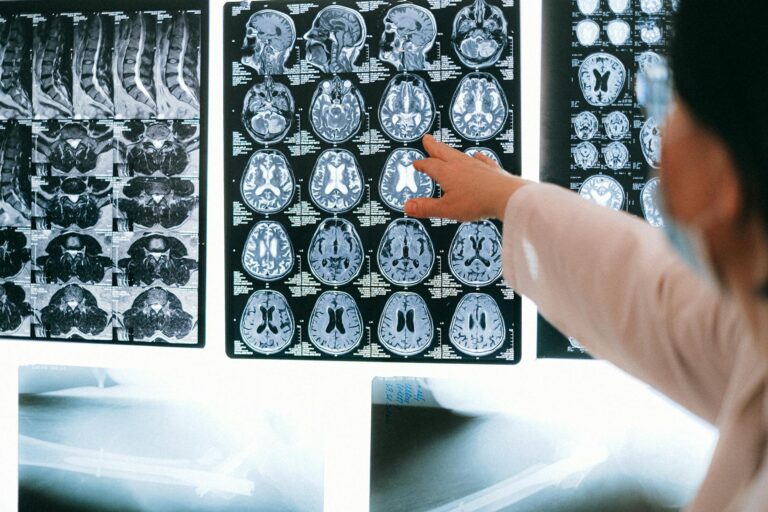
The brain stem is a vital part of our central nervous system, responsible for controlling many essential functions such as breathing, heart rate, and blood pressure. So when a tumor grows in this area, it can have serious consequences on our overall health and well-being.
A brain stem tumor is a type of abnormal growth that develops in the brain stem region. It can be either benign (non-cancerous) or malignant (cancerous). The severity of the tumor depends on its location, size, and type. In this article, we will discuss the different types of brain stem tumors and their characteristics.
1. Astrocytoma:
Astrocytomas are the most common type of brain stem tumor, accounting for around 50% of all cases. They develop from cells called astrocytes, which are a type of glial cell responsible for nourishing and supporting the nerve cells in the brain. Astrocytomas can occur at any age but are more commonly found in children and young adults. These tumors grow slowly and can often be removed through surgery.
2. Ependymoma:
Ependymomas develop from cells called ependymal cells, which line the fluid-filled cavities in the brain and spinal cord. They are more prevalent in children and adolescents than in adults. Ependymomas can cause symptoms such as headaches, nausea, vomiting, and difficulty with coordination and balance. Treatment options include surgery, radiation therapy, and chemotherapy.
3. Medulloblastoma:
Medulloblastomas are a type of embryonal tumor that originates from the developing brain cells in the cerebellum, located in the lower back of the brain. They are the most common malignant brain tumor in children, accounting for about 20% of all pediatric brain tumors. Symptoms may include headaches, nausea, vomiting, irritability, and difficulty with balance and coordination. Treatment usually involves surgery, followed by radiation therapy and chemotherapy.
4. Glioma:
Gliomas are a type of tumor that originates from glial cells, which support and protect nerve cells in the brain. They can occur in any part of the brain and are classified based on the type of glial cell they originate from. Glioblastoma is the most aggressive type of glioma and is often difficult to treat. Symptoms may include headaches, seizures, changes in behavior, and difficulty with movement. Treatment may include surgery, radiation therapy, and chemotherapy.
5. Brainstem glioma:
Brainstem gliomas are rare tumors that develop in the brainstem. They can occur at any age, but they are more common in children. These tumors can be either diffuse (spread out) or focal (localized). Diffuse brainstem gliomas are usually more aggressive and difficult to treat compared to focal ones. Symptoms may include difficulty with coordination, difficulty swallowing, loss of facial muscle control, and double vision. Treatment options include surgery, radiation therapy, and chemotherapy.
In conclusion, brain stem tumors can be life-threatening and require prompt diagnosis and treatment. The symptoms of these tumors can vary depending on their location, size, and type. If you experience persistent headaches, seizures, changes in behavior or movement, it is essential to consult a doctor for further evaluation. Early detection and treatment can significantly improve the chances of a successful outcome.