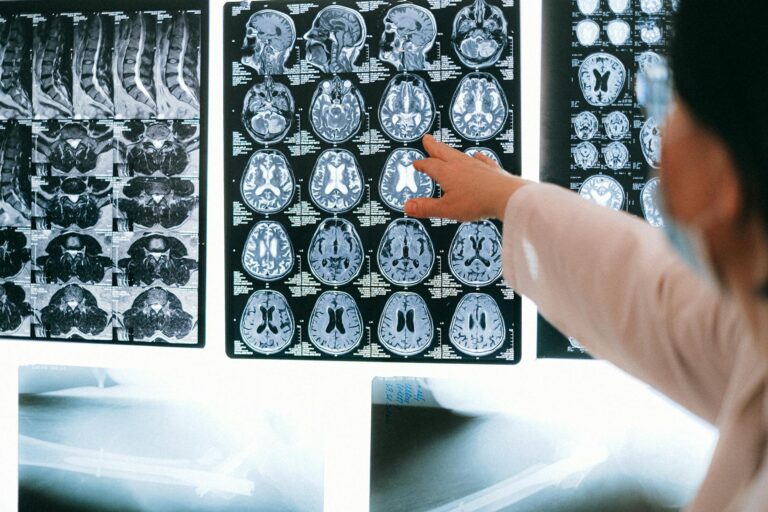
The COVID-19 pandemic has brought about numerous challenges and concerns, one of which being the potential for brain inflammation in those who contract the virus. This condition, also known as encephalitis, occurs when the brain becomes inflamed due to an infection or autoimmune response. While it is not a common occurrence in COVID-19 patients, it is important to understand the symptoms and treatment options for brain inflammation related to the virus.
Symptoms of Brain Inflammation:
Brain inflammation can present itself in a variety of ways, making it difficult to diagnose. Some of the common symptoms include fever, headache, confusion, and difficulty with movement or coordination. In more severe cases, patients may experience seizures, loss of consciousness, or changes in behavior and personality.
It is important to note that these symptoms can also be attributed to other conditions, so a thorough evaluation by a medical professional is crucial for an accurate diagnosis. Additionally, brain inflammation may not present itself until several weeks after a COVID-19 infection, making it even more important to seek medical attention if these symptoms arise.
Treatment Options:
Currently, there is no specific treatment for brain inflammation caused by COVID-19. However, there are several methods that can help manage symptoms and aid in recovery.
1. Medications:
In cases where brain inflammation is caused by an infection, such as COVID-19, antiviral or antibiotic medications may be prescribed to combat the underlying cause. In addition, anti-inflammatory drugs may be used to reduce swelling in the brain and alleviate symptoms.
2. Supportive Care:
Patients with brain inflammation may require supportive care while their body fights off the infection. This can include fluid replacement, pain management, and respiratory support if necessary.
3. Rehabilitation Therapy:
In some cases, brain inflammation can lead to neurological deficits, such as difficulty with movement or speech. In these instances, rehabilitation therapy can help patients regain their motor skills and improve their overall quality of life.
4. Autoimmune Treatment:
In rare cases where brain inflammation is caused by an autoimmune response, treatments such as steroids or immunosuppressant drugs may be prescribed to help control the body’s immune response.
Prevention:
As the saying goes, prevention is better than cure. While there is no sure way to prevent brain inflammation caused by COVID-19, there are steps that can be taken to reduce the risk of contracting the virus in the first place. These include:
1. Getting Vaccinated:
The most effective way to protect against COVID-19 and its potential complications, including brain inflammation, is by getting vaccinated. The COVID-19 vaccines have been rigorously tested and approved by health authorities worldwide.
2. Following Recommended Health Guidelines:
In addition to getting vaccinated, following recommended health guidelines can help reduce your risk of contracting COVID-19. This includes wearing a mask, practicing social distancing, and washing your hands regularly.
3. Monitoring Symptoms:
If you have recently had COVID-19 or are experiencing symptoms of brain inflammation, it is important to monitor your symptoms closely and seek medical attention if they worsen or do not improve.
Conclusion:
While brain inflammation related to COVID-19 is not common, it is important to be aware of the symptoms and seek medical attention if necessary. With proper treatment and supportive care, most patients can recover from this condition. However, the best course of action is always to prevent it from occurring in the first place by following recommended health guidelines and getting vaccinated against COVID-19. By staying informed and taking necessary precautions, we can all play a part in keeping ourselves and our communities safe during this pandemic.