Alzheimer’s disease is a progressive and debilitating condition that affects millions of people worldwide. It is the most common form of dementia, a group of disorders characterized by memory loss and cognitive decline. P tau Alzheimer is a specific type of Alzheimer’s disease that is caused by the buildup of a protein called tau in the brain.
Before we dive into what p tau Alzheimer is, let’s first understand the basics of Alzheimer’s disease. The brain is made up of billions of nerve cells, or neurons, that communicate with each other through electrical and chemical signals. These signals allow us to think, remember, and perform various tasks. In Alzheimer’s disease, these neurons become damaged and eventually die, leading to a decline in cognitive abilities.
The exact cause of Alzheimer’s disease is still unknown, but researchers believe that it is a combination of genetic, lifestyle, and environmental factors. One theory suggests that the accumulation of two abnormal proteins, beta-amyloid and tau, in the brain plays a crucial role in the development of Alzheimer’s disease. Beta-amyloid forms clumps called plaques between neurons, while tau forms tangles within neurons.
Now, let’s zoom in on tau and its role in p tau Alzheimer. Tau is a naturally occurring protein in the brain that helps in stabilizing the structure of neurons and aiding in cell communication. In healthy brains, tau performs its function without any issues. However, in Alzheimer’s disease, tau undergoes a change in its structure, causing it to become “sticky.” This sticky tau then forms tangles within neurons, disrupting their normal functioning.
P tau Alzheimer is a form of Alzheimer’s disease that is characterized by the predominant buildup of these tau tangles in the brain. This accumulation leads to the death of neurons, resulting in memory loss, cognitive decline, and other symptoms associated with the disease. P tau Alzheimer is more prevalent in older individuals, with most cases occurring after the age of 65.
There are several risk factors for developing p tau Alzheimer, including age, genetics, and lifestyle. People with a family history of Alzheimer’s disease are at a higher risk of developing the condition. Additionally, individuals with a history of head injuries or those with a history of certain chronic diseases, such as diabetes and heart disease, are also at an increased risk.
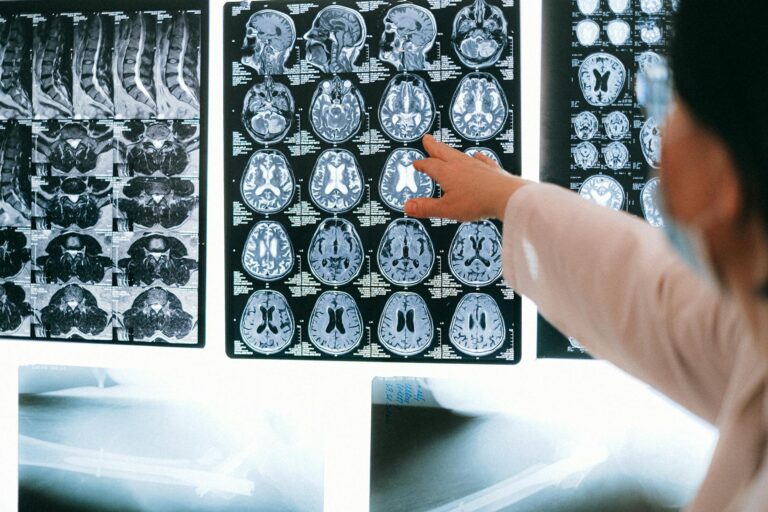
The diagnosis of p tau Alzheimer is made through a combination of medical history, physical examination, and cognitive assessments. Brain imaging techniques, such as magnetic resonance imaging (MRI) and positron emission tomography (PET) scans, can also help in identifying the presence of tau tangles in the brain. However, the only way to definitively diagnose p tau Alzheimer is through a post-mortem examination of the brain tissue.
Unfortunately, there is currently no cure for p tau Alzheimer. Treatment options aim to manage symptoms and slow down the progression of the disease. Medications, such as cholinesterase inhibitors and memantine, can help improve cognitive function and memory in some individuals. Additionally, lifestyle modifications, such as regular exercise, a healthy diet, and staying mentally stimulated, can also help in managing symptoms.
In conclusion, p tau Alzheimer is a type of Alzheimer’s disease that is caused by the buildup of tau protein tangles in the brain. It is a progressive and irreversible condition that primarily affects older individuals. Although there is no cure for p tau Alzheimer, early detection and treatment can help in managing symptoms and improving quality of life. More research is needed to better understand this form of Alzheimer’s disease and develop effective treatments.