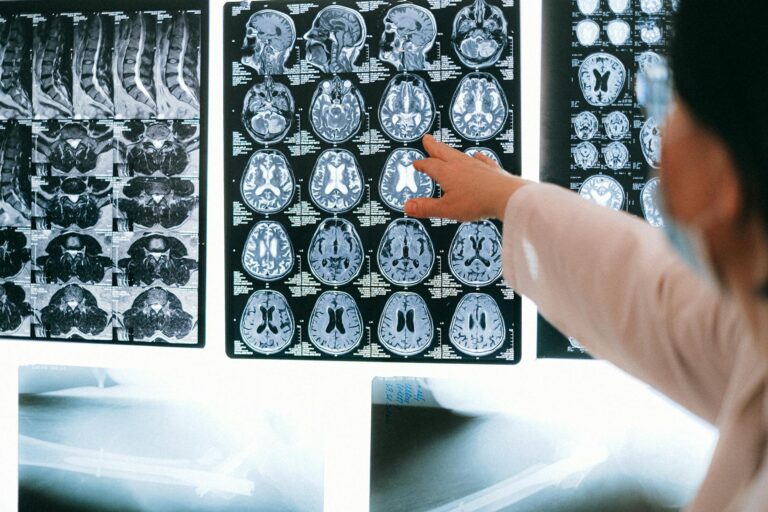
Acute infarct, also known as acute ischemic stroke, is a medical emergency that occurs when there is a sudden loss of blood flow to a specific area of the brain. This lack of blood supply leads to a lack of oxygen and nutrients, causing brain cells to die. The severity and location of the infarct determine the symptoms and potential long-term consequences. Prompt and effective treatment is crucial in minimizing the damage and improving the chances of recovery.
The treatment for acute infarct in the brain depends on several factors, including the time of onset, the underlying cause, and the patient’s overall health. The primary goal of treatment is to quickly restore blood flow to the affected area of the brain and prevent further damage.
Thrombolytic Therapy:
One of the most common and effective treatments for acute infarct is thrombolytic therapy. This involves administering medication, also known as a clot-busting drug, to dissolve the blood clot that is blocking the blood vessel in the brain. The most commonly used medication for this purpose is tissue plasminogen activator (tPA). It is important to note that this treatment must be given within 4.5 hours from the onset of symptoms for it to be effective.
Endovascular Therapy:
In some cases, thrombolytic therapy may not be possible or effective. In such situations, endovascular therapy may be recommended. This procedure involves inserting a catheter through an artery in the groin and maneuvering it to the site of the blockage in the brain. Once the catheter reaches the blocked vessel, a small device is used to capture and remove the clot, restoring blood flow to the affected area.
Antiplatelet and Anticoagulant Therapy:
After receiving thrombolytic or endovascular therapy, patients may also be prescribed antiplatelet or anticoagulant medications. These drugs help prevent the formation of new blood clots and reduce the risk of recurrent strokes. Antiplatelet medications, such as aspirin and clopidogrel, work by preventing platelets from sticking together and forming clots. Anticoagulant medications, such as warfarin and heparin, work by slowing down the body’s ability to form blood clots.
Surgery:
In some cases, surgery may be necessary to treat acute infarct. This is usually reserved for patients with large or severe strokes where other treatments have been ineffective. The two main types of surgery used for acute infarct are carotid endarterectomy and angioplasty. Carotid endarterectomy involves removing plaque from the carotid artery, the main blood vessel that supplies blood to the brain. Angioplasty, on the other hand, involves inserting a tiny balloon into the blocked artery and inflating it to widen the passage, allowing blood to flow freely.
Rehabilitation:
Once the immediate treatment for acute infarct is completed, patients will require rehabilitation to regain any lost function and improve their quality of life. This may include physical therapy, occupational therapy, speech therapy, and psychological counseling. Rehabilitation can help patients learn how to manage any physical or cognitive impairments caused by the stroke and regain their independence.
Prevention:
Prevention is always better than cure when it comes to acute infarct. The best way to prevent a stroke is to adopt a healthy lifestyle, including regular exercise, a balanced diet, and avoiding smoking and excessive alcohol consumption. People with risk factors for stroke, such as high blood pressure, diabetes, and high cholesterol, should also take steps to manage these conditions to reduce their chances of having a stroke.
In conclusion, acute infarct in the brain is a serious medical condition that requires prompt treatment. Timely administration of thrombolytic therapy or endovascular therapy can significantly improve the chances of recovery. Other treatments, such as surgery and rehabilitation, may also be necessary depending on the severity and location of the stroke. However, prevention is key, and adopting a healthy lifestyle can greatly reduce the risk of having an acute infarct in the brain. If you or someone you know experiences any symptoms of a stroke, seek medical attention immediately to minimize the potential consequences.