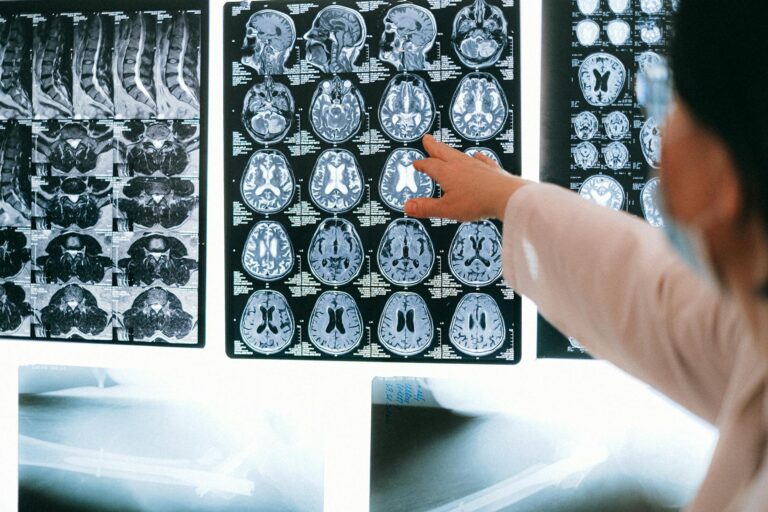
The brain is one of the most vital organs in the human body, responsible for controlling our thoughts, movements, and senses. However, like any other part of our body, it is susceptible to diseases and abnormalities, one of which is a brain tumor. A brain tumor occurs when there is an abnormal growth of cells in the brain, and it can affect people of all ages, including young adults.
In this article, we will discuss the most common brain tumors in young adults, their causes, symptoms, and treatment options.
1. Meningiomas:
Meningiomas are the most common type of brain tumor in young adults. They originate from the meninges, which are the protective layers that cover the brain and spinal cord. These tumors are usually slow-growing and are more common in females than males.
Causes:
The exact cause of meningiomas is still unknown. However, researchers believe that certain genetic syndromes, exposure to radiation, and hormonal fluctuations may increase the risk of developing meningiomas.
Symptoms:
The symptoms of meningiomas can vary depending on the location and size of the tumor. Some common symptoms include headaches, seizures, blurred vision, weakness in the limbs, and changes in personality or behavior.
Treatment:
Treatment for meningiomas may involve surgery to remove the tumor, radiation therapy, or chemotherapy. The type of treatment depends on the size and location of the tumor and the overall health of the patient.
2. Gliomas:
Gliomas are a type of brain tumor that originates from glial cells, which are cells that support and nourish neurons in the brain. Gliomas can be either benign or malignant and can occur in any part of the brain.
Causes:
The exact cause of gliomas is unknown, but researchers have identified some risk factors such as genetic mutations, exposure to radiation or certain chemicals, and a family history of brain tumors.
Symptoms:
The symptoms of gliomas can vary depending on the location and size of the tumor. Some common symptoms include headaches, nausea, vomiting, seizures, and changes in cognitive function.
Treatment:
Treatment for gliomas depends on the type, location, and size of the tumor. It may involve surgery to remove the tumor, radiation therapy, chemotherapy, or a combination of these treatments.
3. Pituitary Adenomas:
Pituitary adenomas are tumors that develop in the pituitary gland, a small pea-sized gland located at the base of the brain. These tumors are usually benign and slow-growing but can cause problems by pressing on nearby structures in the brain.
Causes:
The exact cause of pituitary adenomas is unknown, but certain genetic conditions, such as multiple endocrine neoplasia type 1 (MEN1), may increase the risk of developing these tumors.
Symptoms:
The symptoms of pituitary adenomas depend on the type of hormone-producing cells affected by the tumor. Some common symptoms include changes in vision, headaches, weight gain, menstrual irregularities in females, and changes in mood or behavior.
Treatment:
The treatment of pituitary adenomas involves surgery to remove the tumor, radiation therapy, or medication to control hormone levels. The treatment plan depends on the type and size of the tumor and the patient’s overall health.
4. Medulloblastomas:
Medulloblastomas are a type of brain tumor that occurs in the cerebellum, which is the part of the brain responsible for balance and coordination. These tumors are more common in children but can also occur in young adults.
Causes:
The exact cause of medulloblastomas is unknown, but researchers believe that genetic mutations may play a role in their development.
Symptoms:
The symptoms of medulloblastomas can include headaches, nausea, vomiting, difficulty with balance and coordination, changes in vision, and changes in behavior or personality.
Treatment:
The treatment of medulloblastomas usually involves surgery to remove the tumor, followed by radiation therapy and chemotherapy. The treatment plan may also include stem cell transplant in some cases.
In conclusion, brain tumors can affect young adults, and early detection and treatment are crucial for a better outcome. It is essential to pay attention to any persistent symptoms and seek medical attention if necessary. With advances in medical technology and treatment options, many brain tumors can be treated successfully. Remember to always prioritize your health and listen to your body’s signals.