Hypophosphatasia (HPP) is a rare inherited disorder that primarily affects the development and strength of bones and teeth due to deficient activity of an enzyme called tissue-nonspecific alkaline phosphatase (TNAP). This enzyme is crucial for mineralization, the process by which bones and teeth become hard and strong. When TNAP activity is low, it leads to a buildup of substances that interfere with normal bone and tooth formation, causing a wide range of symptoms that vary depending on the age of onset and severity of the disease.
The symptoms of hypophosphatasia can be grouped into several categories based on the systems they affect: skeletal, dental, muscular, neurological, respiratory, renal, and articular (joints). These symptoms can appear at any age, from before birth to adulthood, and their severity ranges from mild to life-threatening.
**Skeletal Symptoms:**
– **Fractures:** One of the hallmark signs of HPP is an increased tendency to develop fractures, especially in the metatarsal bones of the feet and the femur (thigh bone). These fractures often occur with minimal trauma and may heal poorly or slowly.
– **Pseudofractures:** These are areas of incomplete fractures or stress fractures that appear as lines on X-rays but do not fully break the bone. They are common in HPP and indicate weakened bone structure.
– **Rickets and Osteomalacia:** In infants and children, HPP can cause rickets, a condition characterized by soft, weak bones that bend or deform. In adults, a similar condition called osteomalacia occurs, leading to bone pain and increased fracture risk.
– **Bone Deformities:** Due to poor mineralization, bones may become misshapen. This can include bowed legs, abnormal curvature of the spine, or deformities of the chest wall.
– **Craniosynostosis:** Premature fusion of skull bones can occur, leading to abnormal head shape and potentially increased pressure inside the skull.
**Dental Symptoms:**
– **Premature Loss of Teeth:** Both baby (deciduous) and permanent teeth may fall out early because the roots do not form properly or the teeth are poorly anchored in the jawbone.
– **Dental Abnormalities:** Teeth may be malformed, and there can be increased cavities or other dental problems due to poor mineralization.
**Muscular Symptoms:**
– **Chronic Muscle Pain:** Many individuals with HPP experience persistent muscle pain and weakness, which can limit physical activity and reduce quality of life.
– **Reduced Muscle Strength and Performance:** Muscle weakness is common, sometimes related to poor bone support or metabolic factors.
– **Enthesopathy:** This refers to inflammation or calcification where tendons or ligaments attach to bone, causing pain and stiffness.
**Articular (Joint) Symptoms:**
– **Chondrocalcinosis:** Calcium deposits can form in cartilage, especially in joints, leading to stiffness and pain.
– **Pseudogout and Crystal Arthropathy:** These are types of joint inflammation caused by crystal deposits, which can mimic arthritis symptoms.
– **Osteochondral Spurs:** Bone spurs may develop near joints, contributing to discomfort and limited movement.
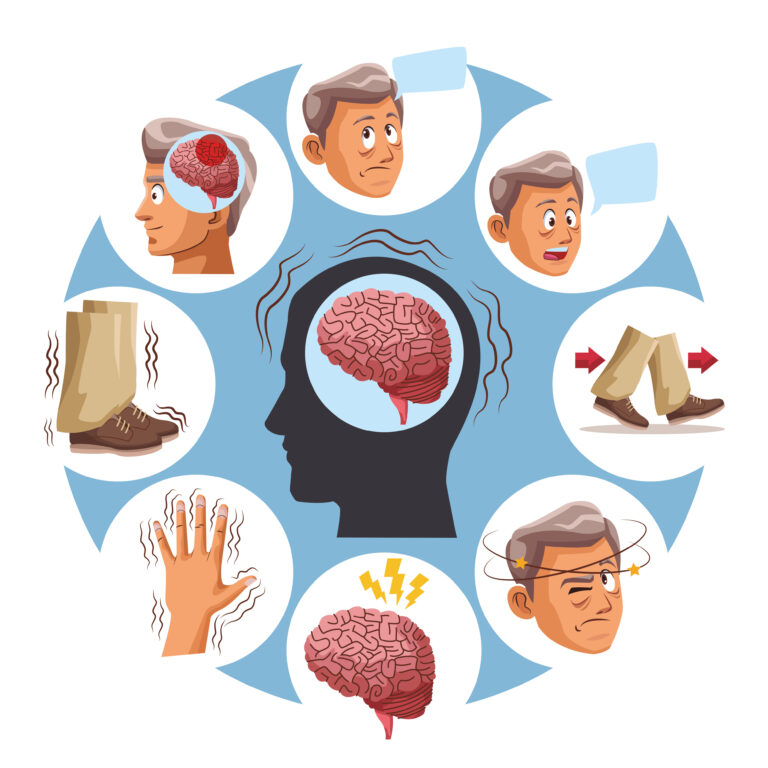
**Neurological Symptoms:**
– **Seizures:** Particularly in severe infantile forms of HPP, seizures can occur due to low vitamin B6 activity related to enzyme deficiency.
– **Symptoms Related to Craniosynostosis:** Increased intracranial pressure from premature skull bone fusion can cause headaches, irritability, or developmental delays.
**Respiratory Symptoms:**
– **Respiratory Complications:** Chest deformities and weak rib bones can impair breathing, sometimes leading to respiratory failure, especially in severe cases presenting in infancy.
**Renal Symptoms:**
– **Hyperphosphatemia:** Elevated phosphate levels in the blood can occur due to disrupted mineral metabolism.