Behçet’s disease is a complex, chronic condition that causes inflammation of blood vessels throughout the body, leading to a wide range of symptoms that can affect many different organs and systems. The signs of Behçet’s disease often appear in recurring episodes or flare-ups, making the disease unpredictable and sometimes difficult to diagnose. Understanding the signs is crucial because early recognition can help manage symptoms and prevent serious complications.
One of the hallmark signs of Behçet’s disease is **recurrent painful oral ulcers**. These are sores that appear inside the mouth, often on the tongue, gums, or inner cheeks. They tend to come and go, sometimes healing on their own but frequently returning. These ulcers are usually quite painful and can interfere with eating and speaking.
Alongside oral ulcers, **genital ulcers** are another common and distinctive symptom. These sores occur on the genital area and can be painful as well. Unlike oral ulcers, genital ulcers may leave scars after healing. Both oral and genital ulcers are often the first clues that point toward Behçet’s disease.
The skin is also frequently affected. People with Behçet’s may develop **skin lesions** that resemble acne or red, tender nodules called erythema nodosum, often found on the legs. These skin changes can be mistaken for other dermatological conditions but are part of the systemic inflammation caused by the disease.
Eye involvement is a serious and potentially sight-threatening sign of Behçet’s disease. It often manifests as **uveitis**, which is inflammation inside the eye. Symptoms include eye pain, redness, blurred vision, and sensitivity to light. If untreated, this inflammation can lead to permanent vision loss. Eye problems in Behçet’s can affect one or both eyes and may recur over time.
Joint symptoms are also common, with many patients experiencing **arthritis-like pain and swelling**, especially in the knees and ankles. Unlike some other forms of arthritis, this joint involvement usually does not cause permanent joint damage but can be painful and limit mobility during flare-ups.
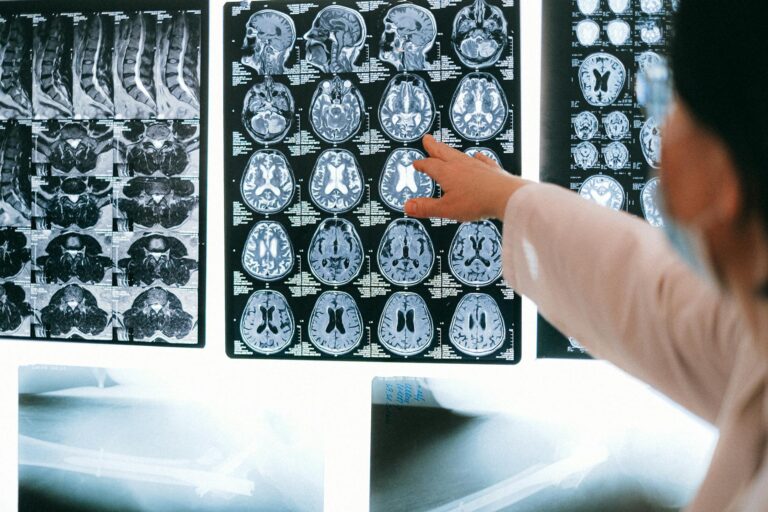
Behçet’s disease can also affect the nervous system, leading to **neurological symptoms** such as headaches, confusion, difficulty concentrating, and in severe cases, stroke-like symptoms. This happens because inflammation can involve blood vessels in the brain, leading to complications that require urgent medical attention.
The gastrointestinal tract may be involved as well, causing **abdominal pain, diarrhea, and intestinal ulcers**. These symptoms can mimic other digestive diseases, making diagnosis challenging. The ulcers in the intestines can cause bleeding or perforation if severe.
Vascular involvement is a key feature of Behçet’s disease, as it is a form of vasculitis that affects arteries and veins of all sizes. This can lead to **blood clots, inflammation of veins (phlebitis), and aneurysms** (weakened blood vessel walls that bulge). Some patients may develop serious complications such as deep vein thrombosis or even intracardiac thrombi (blood clots inside the heart), which can cause symptoms like swelling, pain, shortness of breath, or chest pain.
In some cases, Behçet’s disease may also cause **cardiac problems** such as inflammation of the heart lining (pericarditis), heart muscle (myocarditis), or heart valves, which can lead to irregular heartbeats or heart failure if untreated.
Other less common signs include **fatigue, fever, and general malaise**, reflecting the systemic inflammatory nature of the disease.
Because Behçet’s disease affects multiple systems, its signs can seem unrelated at first, and symptoms may come and go unpredictably. The disease often begins in young adults and can vary widely in severity and presentation from person to person. Recognizing the combination of recurrent oral and genital ulcers along with skin, eye, joint, neurological, or vascular symptoms is key to suspectin