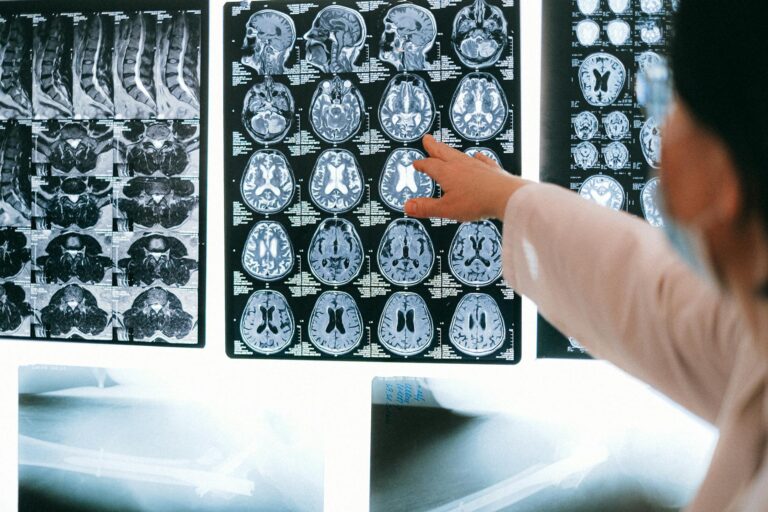
Cushing’s syndrome is caused by an excess of the hormone cortisol in the body over a prolonged period. Cortisol is a steroid hormone produced by the adrenal glands, which sit on top of the kidneys. It plays a vital role in regulating metabolism, immune response, blood pressure, and stress. When cortisol levels become abnormally high, it disrupts many bodily functions, leading to the symptoms and complications associated with Cushing’s syndrome.
There are several causes of this cortisol excess, which can be broadly divided into two main categories: **ACTH-dependent** and **ACTH-independent** causes.
**ACTH-dependent causes** involve excessive production of adrenocorticotropic hormone (ACTH), a hormone secreted by the pituitary gland in the brain that normally stimulates the adrenal glands to produce cortisol. When ACTH is overproduced, it drives the adrenal glands to produce too much cortisol. The most common ACTH-dependent cause is a benign tumor in the pituitary gland called a corticotroph adenoma, which leads to what is specifically called Cushing’s disease. This pituitary tumor secretes excess ACTH, causing the adrenal glands to enlarge and produce excessive cortisol.
Less commonly, ACTH can be produced by tumors outside the pituitary gland, a situation known as ectopic ACTH syndrome. These tumors can be found in places like the lungs, pancreas, or thyroid and produce ACTH independently, leading to overstimulation of the adrenal glands and cortisol overproduction. Rarely, tumors may produce corticotropin-releasing hormone (CRH), which in turn stimulates ACTH production and cortisol excess.
**ACTH-independent causes** occur when the adrenal glands themselves produce too much cortisol without being stimulated by ACTH. This is usually due to abnormalities within the adrenal glands, such as adrenal adenomas (benign tumors) or adrenal carcinomas (malignant tumors). These tumors autonomously secrete cortisol, which then suppresses ACTH production through negative feedback, but the adrenal glands continue to produce excess cortisol regardless.
Another ACTH-independent cause is bilateral adrenal hyperplasia, where both adrenal glands become enlarged and overactive, producing excess cortisol. This condition can be linked to genetic mutations or other regulatory abnormalities in adrenal function.
In addition to these endogenous causes, **exogenous sources** of cortisol or similar steroids are the most common overall cause of Cushing’s syndrome. This happens when people take glucocorticoid medications like prednisone for conditions such as asthma, autoimmune diseases, or after organ transplants. These medications mimic cortisol’s effects and, when taken in high doses or for long periods, lead to symptoms identical to those of Cushing’s syndrome.
There is also a form called **subclinical Cushing’s syndrome**, often discovered incidentally when imaging reveals adrenal tumors (adrenal incidentalomas). In these cases, cortisol secretion is mildly increased without the classic outward signs of Cushing’s syndrome, but it can still cause metabolic problems like insulin resistance, hypertension, and obesity. This form reflects a spectrum of adrenal autonomy, where the adrenal gland’s cortisol production gradually becomes less regulated.
The underlying mechanisms that cause these various forms of Cushing’s syndrome involve disruptions in the normal hormonal feedback loops that regulate cortisol production. Normally, the hypothalamus releases CRH, which stimulates the pituitary to release ACTH, which then prompts the adrenal glands to produce cortisol. High cortisol levels feed back to suppress CRH and ACTH release, maintaining balance. In Cushing’s syndrome, this balance is lost due to tumors or external steroid use, leading to unchecked cortisol production.
In summary, Cushing’s syndrome arises from either excessive ACTH production (usually from a pituitary tumor or ectopic source), autonomous cortisol secretion by adrenal tumors or hyperplasia, or prolonged use of glucocorticoid medications. Each cause disrupts the delicate hormonal regulation of cortisol, resulting in the characteristic symptoms and health risks of the syndrom