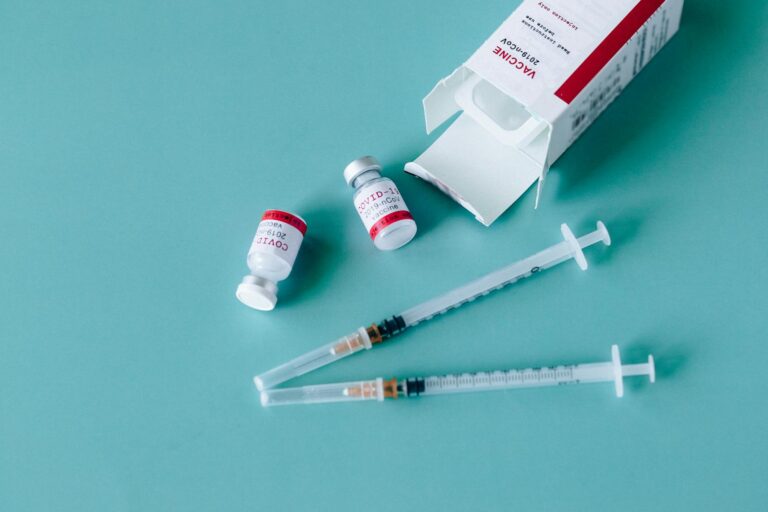
Polio prevention today relies primarily on widespread vaccination programs using two main types of vaccines: the Oral Polio Vaccine (OPV) and the Inactivated Polio Vaccine (IPV). These vaccines work by stimulating the immune system to recognize and fight poliovirus, thereby preventing infection and transmission.
The Oral Polio Vaccine is given by mouth and contains a weakened, live form of the virus. It is easy to administer, making it ideal for mass immunization campaigns, especially in areas where polio is still a threat. OPV not only protects the vaccinated individual but also helps stop the spread of the virus in the community by inducing intestinal immunity, which reduces virus shedding. However, because it contains live virus, there is a very small risk that the weakened virus can mutate and cause vaccine-derived poliovirus outbreaks, which has led to the development of newer, genetically stabilized versions of OPV, such as the novel type 2 oral polio vaccine (nOPV2). This vaccine has been engineered to be more genetically stable, reducing the risk of reversion to a harmful form and thus lowering the chance of vaccine-associated paralysis.
The Inactivated Polio Vaccine, on the other hand, is an injectable vaccine made from killed poliovirus. It cannot cause polio and provides excellent individual protection against paralysis. IPV is especially important in routine immunization schedules in countries where polio transmission has been interrupted or eliminated. While IPV does not induce strong intestinal immunity like OPV, it effectively prevents the virus from invading the nervous system and causing disease.
Polio vaccination strategies today often combine these two vaccines to maximize protection. In many countries, routine immunization includes IPV to protect individuals, while OPV is used in supplementary immunization activities to boost community immunity and interrupt virus transmission. Mass vaccination campaigns, sometimes conducted house-to-house or at fixed posts such as schools and clinics, are critical to rapidly increasing coverage in areas at risk.
Beyond vaccination, polio prevention also depends on strong surveillance systems to detect and respond to any poliovirus circulation quickly. This includes monitoring for cases of acute flaccid paralysis (a key symptom of polio) and environmental surveillance by testing sewage for poliovirus presence. Prompt detection allows health authorities to organize targeted vaccination campaigns to stop outbreaks.
Community engagement and education are vital components of polio prevention efforts. Ensuring that families understand the importance of vaccination and addressing vaccine hesitancy help maintain high immunization rates. Additionally, improving sanitation and hygiene reduces the spread of poliovirus, which is transmitted primarily through the fecal-oral route.
Global and regional eradication plans emphasize a comprehensive approach combining vaccination, surveillance, community involvement, and strong leadership. These coordinated efforts have brought the world close to eradicating polio, with only a few countries still reporting cases. Continued commitment to these strategies is essential to prevent polio from re-emerging and to achieve a polio-free world.
In summary, polio prevention today is a multifaceted endeavor centered on the use of both oral and inactivated vaccines, supported by vigilant surveillance, community participation, and improvements in sanitation and hygiene. This integrated approach is the cornerstone of ongoing efforts to eliminate polio permanently.