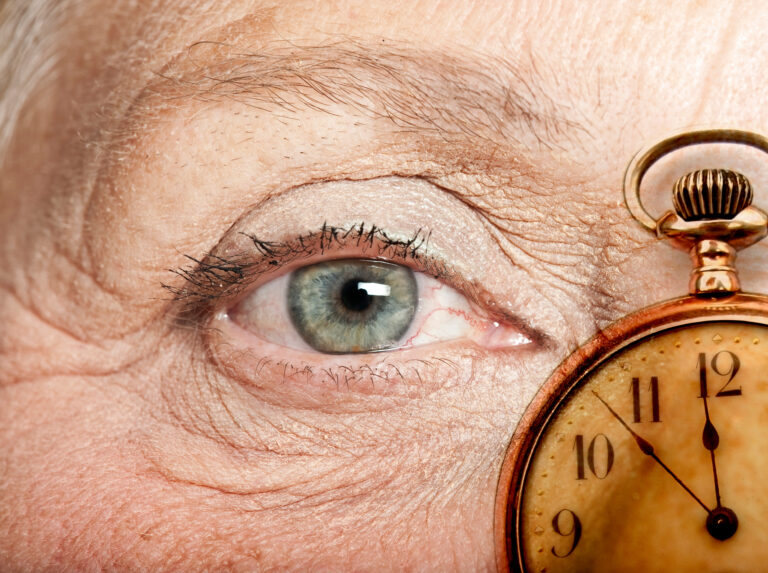
Type 2 diabetes often develops gradually, and its early symptoms can be subtle or easily mistaken for other common conditions. Recognizing these early signs is crucial because catching diabetes early can help manage the condition and prevent serious complications.
One of the very first symptoms people notice is **increased thirst and frequent urination**. When blood sugar levels rise, the kidneys try to remove the excess glucose by filtering it out into the urine. This process pulls more water from the body, leading to dehydration and making you feel unusually thirsty. Because of this thirst, you may find yourself drinking more fluids than usual and needing to urinate more often, especially at night. This cycle of drinking and urinating can be persistent and hard to ignore.
Another common early symptom is **increased hunger**, even after eating. This happens because the body’s cells are not able to use glucose properly due to insulin resistance. When cells don’t get enough energy from glucose, the brain signals hunger to encourage eating more, but the energy shortage continues, causing persistent hunger pangs. This can lead to overeating without feeling satisfied.
**Unexplained weight changes** can also be an early warning sign. Some people with type 2 diabetes may experience gradual weight gain, particularly around the abdomen, as insulin resistance develops. Others might notice sudden weight loss because the body starts breaking down fat and muscle for energy when glucose isn’t available to cells. This weight loss can happen even if appetite remains normal or increases.
**Fatigue and low energy** are frequently reported early symptoms. Since the body can’t efficiently convert glucose into energy, you may feel tired, weak, or lethargic despite getting enough rest. This tiredness can be persistent and may affect daily activities and concentration.
**Blurred vision** can occur when high blood sugar causes fluid to shift in and out of the lenses of the eyes, affecting the ability to focus. This symptom may come and go, improving when blood sugar levels are controlled, but it can be an early indicator that something is wrong.
Some people experience **tingling, numbness, or burning sensations** in their hands, feet, or legs. This is an early sign of nerve damage called diabetic neuropathy, which can start even before diabetes is officially diagnosed. These sensations might feel like pins and needles or mild discomfort and can be mistaken for other issues like poor circulation.
Skin changes are also common early signs. You might notice **dark, velvety patches of skin**, often on the back of the neck, armpits, or groin. This condition, called acanthosis nigricans, is linked to high insulin levels and insulin resistance. Additionally, the skin may become thick, hard, or waxy, especially on the hands, making movement difficult. Some people develop **blisters** on their skin that look like burns but are painless. People with early diabetes are also more prone to **skin infections**, which can cause redness, swelling, and pain.
Other subtle signs include **slow healing of cuts and wounds** and an increased tendency to get infections, such as yeast infections or urinary tract infections. High blood sugar can weaken the immune system, making it harder for the body to fight off germs.
Mood changes like feeling unusually irritable, frustrated, or stressed can also occur, partly due to the physical effects of fluctuating blood sugar levels and the body’s struggle to maintain balance.
Some people with early type 2 diabetes might not notice any symptoms at all, which is why regular health screenings are important, especially if you have risk factors like obesity, a family history of diabetes, or a sedentary lifestyle.
In summary, the early symptoms of type 2 diabetes include:
– Increased thirst and frequent urination
– Persistent hunger despite eating
– Unexplained weight loss or gain
– Fatigue and low energy
– Blurred vision
– Tingling, numbness, or burning in extremities
– Dark, velvety ski