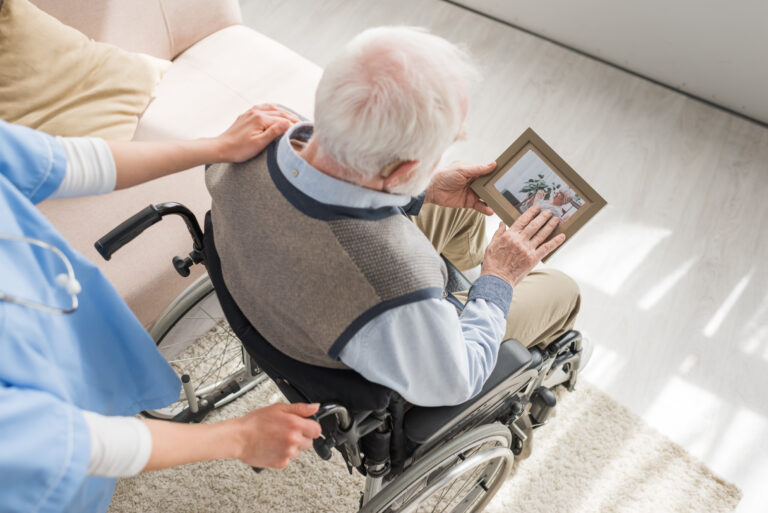
Loneliness is more than just a feeling of being alone; it is a complex emotional state that can deeply affect the brain and overall health. When people experience loneliness, their brains react in ways that can increase stress and reduce the chemicals that make us feel good. This ongoing stress response can wear down parts of the brain responsible for memory, focus, and emotional regulation. Over time, these changes may contribute to cognitive decline, which is a key factor in the development of dementia.
Dementia is a broad term for conditions characterized by a decline in memory, thinking, and reasoning skills severe enough to interfere with daily life. Alzheimer’s disease is the most common form of dementia. While age and genetics are well-known risk factors, lifestyle and social factors also play a crucial role. Loneliness, in particular, has emerged as a significant risk factor that can potentially accelerate the onset and progression of dementia.
The connection between loneliness and dementia can be understood through several biological and psychological pathways. When a person feels lonely, their brain perceives this as a threat, activating the body’s stress response system. This leads to the release of stress hormones like cortisol, which, when elevated for long periods, can damage brain cells and reduce the size of critical brain regions such as the hippocampus, which is essential for memory formation.
Moreover, loneliness affects how the brain processes social information. Studies show that lonely individuals often experience the world differently, with brain activity patterns that are less synchronized with others. This can make social interactions more challenging and reinforce feelings of isolation. The brain regions involved in processing negative emotions become more active, increasing sensitivity to social threats or rejection. This heightened emotional response can create a vicious cycle where loneliness deepens, further impacting mental health and cognitive function.
Reducing loneliness, therefore, is not just about improving mood or emotional well-being; it may also protect the brain from the harmful effects of chronic stress and social isolation. Engaging in meaningful social connections can help restore balance in brain chemistry, reduce stress hormone levels, and stimulate brain regions involved in memory and emotional regulation. Activities that promote social interaction, such as joining clubs, volunteering, or simply spending time with family and friends, can provide the brain with the stimulation it needs to stay healthy.
In addition to social engagement, other factors that often accompany loneliness, such as depression and lack of physical activity, also contribute to cognitive decline. Addressing loneliness can indirectly improve these areas, creating a more supportive environment for brain health. For example, people who feel connected are more likely to maintain regular exercise routines, eat healthier diets, and adhere to medical treatments, all of which are protective against dementia.
Technology offers new ways to reduce loneliness, especially for those who may have mobility issues or live far from loved ones. Video calls, social media, and online communities can provide social interaction and a sense of belonging. However, it is important that these tools complement, rather than replace, face-to-face interactions, as physical presence and nonverbal communication play vital roles in human connection.
Communities and healthcare providers are increasingly recognizing loneliness as a public health issue. Programs aimed at fostering social connections among older adults, such as group activities, peer support, and community centers, have shown promise in reducing loneliness and improving cognitive outcomes. Early identification of loneliness and timely intervention can help prevent the downward spiral that leads to dementia.
In summary, loneliness triggers a stress response in the brain that can damage memory and cognitive functions over time. By reducing loneliness through social engagement, emotional support, and community involvement, it is possible to protect the brain and potentially lower the risk of developing dementia. This highlights the importance of nurturing social bonds and creating environments where people feel connected and valued throughout their lives.