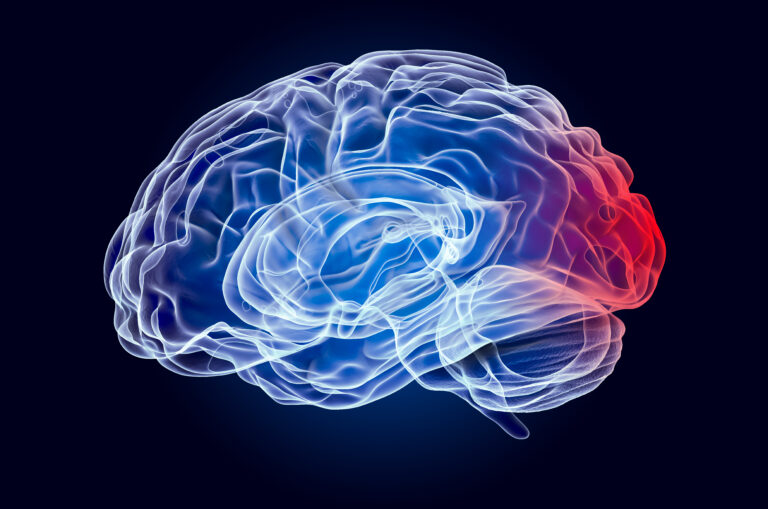
Choir participation can offer significant protective and supportive benefits against dementia, particularly by enhancing memory, mood, social connection, and cognitive resilience. While it is not a cure or guaranteed prevention, engaging in choir singing stimulates various brain functions and emotional well-being that may slow cognitive decline and improve quality of life for people with dementia or those at risk.
Singing in a choir involves multiple complex brain activities simultaneously: processing lyrics, melody, rhythm, breathing control, and social interaction. This multifaceted engagement activates brain regions responsible for memory, language, and emotional regulation. For example, choir singing has been linked to improvements in the fornix, a brain structure crucial for memory and learning, especially in older adults. This suggests that choir participation may help maintain or enhance neural pathways that typically deteriorate with dementia.
People with dementia often retain the ability to sing familiar songs even when other memories fade. This is because musical memories are stored in brain areas that remain relatively intact longer than those responsible for new memory formation. Singing familiar tunes can temporarily restore cognitive function and emotional expression, providing moments of clarity and joy. Choirs also foster social connection, which combats isolation—a known risk factor for cognitive decline.
Beyond memory, choir singing reduces depressive symptoms and enhances overall well-being. Depression and loneliness can accelerate cognitive deterioration, so the mood-boosting effects of singing are particularly valuable. The social aspect of choir participation—being part of a group, sharing a common goal, and enjoying collective music-making—strengthens social bonds and provides a sense of purpose and belonging. These psychosocial benefits contribute to cognitive resilience and emotional health.
Choir singing also improves verbal flexibility and semantic fluency, which are important cognitive functions that tend to decline with age and dementia. Unlike some other leisure activities, singing uniquely combines linguistic, musical, and respiratory exercises, offering a holistic brain workout. This may explain why choir participation shows benefits not only in memory but also in language skills and emotional regulation.
For people with younger onset dementia or conditions like Parkinson’s disease, choir groups provide a supportive environment where participants can maintain communication skills and manage symptoms such as low mood and social isolation. Singing interventions have been shown to improve respiratory function and voice quality, which are often affected in these populations, further enhancing their ability to engage socially.
Importantly, choir participation is accessible and enjoyable, making it a sustainable activity for many older adults. It does not require special skills or equipment, and the joy derived from singing often persists beyond the activity itself, leaving participants with lasting positive feelings and a sense of achievement.
In summary, while choir singing is not a definitive prevention or cure for dementia, it offers a powerful combination of cognitive stimulation, emotional uplift, and social engagement that can protect against cognitive decline and improve the lives of those affected by dementia. The act of singing together taps into preserved brain functions, fosters meaningful connections, and promotes mental and emotional health, making it a valuable tool in dementia care and healthy aging.