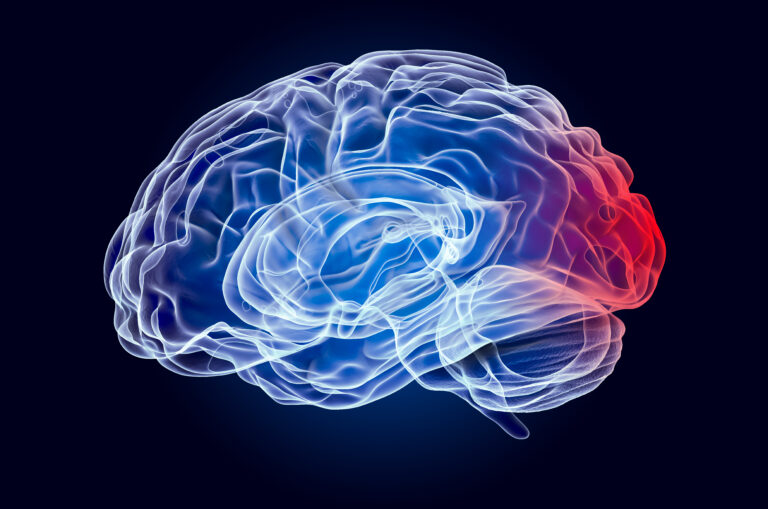
Drumming can play a significant role in lowering the risk of dementia by engaging the brain in ways that promote cognitive health and neuroplasticity. When you drum, you use both hands and sometimes your feet, which stimulates both hemispheres of the brain simultaneously. This bilateral stimulation encourages communication between the left and right sides of the brain, enhancing neural connectivity and coordination. Such activity can help maintain and even improve brain function, which is crucial in reducing the risk of cognitive decline and dementia.
Playing an instrument like drums requires attention, memory, rhythm, and coordination, all of which are cognitive processes that exercise the brain. This mental workout helps keep neural pathways active and can slow down the deterioration of brain cells that often leads to dementia. Moreover, learning and practicing drumming can increase brain plasticity—the brain’s ability to form new connections and adapt—which is essential for maintaining cognitive health as we age.
Drumming also has emotional and psychological benefits that indirectly support brain health. It can reduce stress, anxiety, and depression by promoting relaxation and emotional expression. Lower stress levels are linked to better brain health because chronic stress can damage brain cells and impair memory and cognitive function. The rhythmic nature of drumming can induce a meditative state, helping to calm the mind and improve mood, which further supports mental well-being.
Additionally, drumming often involves social interaction, whether in group classes, drum circles, or informal jam sessions. Social engagement is another factor known to protect against dementia by stimulating cognitive functions and providing emotional support. The combination of physical movement, cognitive challenge, emotional release, and social connection makes drumming a holistic activity that benefits brain health on multiple levels.
Even for those who have not played an instrument before, starting drumming later in life can still offer benefits. Adult brains retain the ability to learn and adapt, and engaging in new musical activities can help maintain and even improve cognitive functions. The process of learning rhythms, coordinating movements, and listening attentively to sounds challenges the brain in ways that can help preserve memory and executive functions.
In summary, drumming lowers dementia risk by actively engaging and exercising the brain through bilateral motor activity, cognitive challenges, emotional regulation, and social interaction. It promotes neuroplasticity, reduces stress, and keeps neural pathways strong, all of which contribute to maintaining cognitive health and delaying or reducing the onset of dementia.