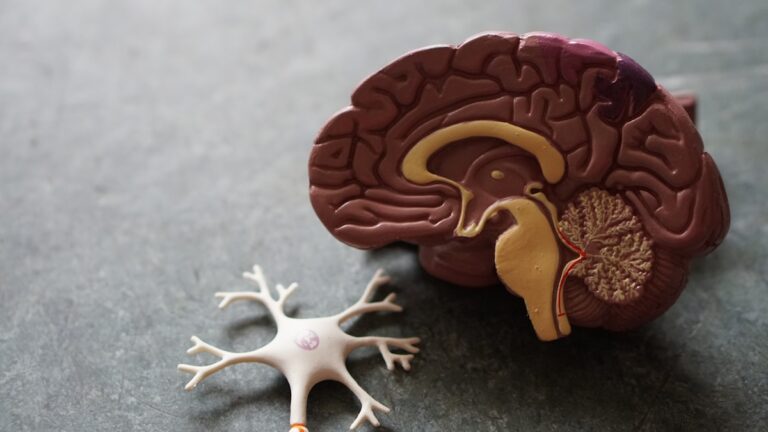
Stretching improves dementia prevention by enhancing brain health through multiple interconnected pathways involving physical, neurological, and psychological benefits. When you stretch regularly, it helps maintain and improve flexibility, balance, and circulation—all of which contribute to better overall brain function. Stretching stimulates the proprioceptive system—the body’s ability to sense its position in space—which is crucial for coordination and balance as we age. This stimulation sends rapid signals from muscles and joints to the brain, helping keep neural pathways active and responsive.
One key way stretching aids dementia prevention is by promoting increased blood flow to the brain. Improved circulation delivers more oxygen and nutrients essential for healthy brain cells while facilitating the removal of waste products that can accumulate with age or neurodegenerative conditions. This enhanced blood flow supports neuroplasticity—the brain’s ability to form new connections—and encourages processes like neurogenesis (growth of new neurons) along with synaptogenesis (formation of synapses), which are vital for memory, learning, and cognitive resilience.
Moreover, stretching often involves slow controlled movements combined with deep breathing or mindfulness elements—especially in practices like yoga—that reduce stress hormones such as cortisol. Chronic stress negatively impacts memory centers in the brain like the hippocampus; thus lowering stress through gentle stretching can protect these areas from damage over time.
Regular stretching also contributes indirectly by improving sleep quality—a critical factor in maintaining cognitive health—since restful sleep allows the brain to consolidate memories and clear toxins linked with dementia progression.
For older adults or those at risk of cognitive decline who may find vigorous exercise challenging due to mobility issues or joint pain, stretching offers a safe low-impact alternative that still activates important motor control regions in the brain while preserving muscle tone and joint function. Even small daily sessions help maintain movement patterns that prevent physical frailty—a known risk factor for accelerated cognitive decline.
In addition to physiological effects on the nervous system, engaging consistently in stretching routines fosters a sense of routine accomplishment which can enhance mood and motivation—both protective against depression-related cognitive impairment common among seniors.
In essence:
– Stretching enhances **proprioception**, keeping communication between body sensors and brain sharp.
– It increases **cerebral blood flow**, nourishing neurons critical for cognition.
– Supports **neuroplasticity** by encouraging growth of neural connections.
– Reduces **stress** via relaxation techniques embedded within many forms of stretching.
– Improves **sleep quality**, aiding memory consolidation.
– Maintains **mobility** preventing physical decline linked with worsening cognition.
– Offers an accessible form of exercise adaptable even for those with limited movement capacity.
By integrating regular stretching into daily life alongside other healthy habits such as balanced nutrition, social engagement, mental stimulation, and aerobic activity when possible, individuals create a multifaceted defense against dementia’s onset or progression without requiring intense workouts or complex regimens.
Stretching is not just about touching your toes—it’s a simple yet powerful tool that keeps both body systems involved in movement intact while nurturing your mind’s capacity to adapt throughout aging years. The gentle activation it provides primes your nervous system continuously so it remains agile enough to handle everyday challenges without losing ground cognitively over time.