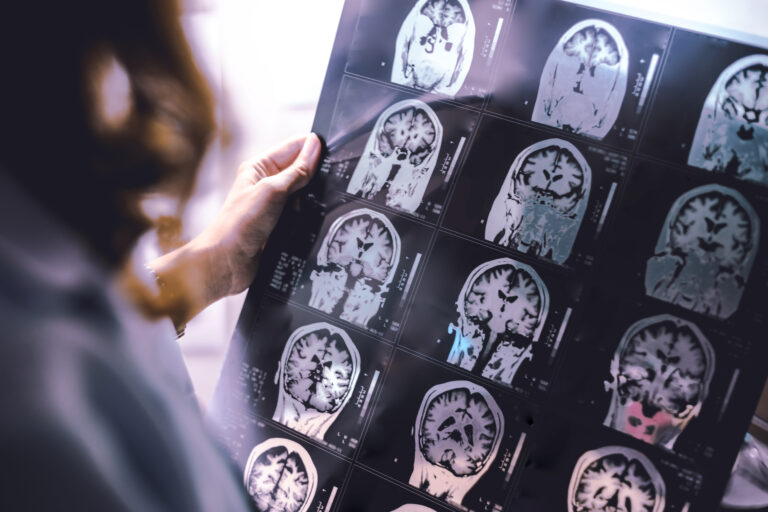
MRI scans use powerful magnetic fields and radio waves to create detailed images of the inside of the body. For people with pacemakers, especially older models, MRI was traditionally considered risky because the strong magnetic field could interfere with how these devices work. However, in recent years, **MRI-conditional pacemakers** have been developed specifically to allow patients to safely undergo MRI scans under certain conditions.
Even though MRI-conditional pacemakers are designed for compatibility with MRI machines, there are still some risks involved that patients and healthcare providers need to be aware of.
First, it’s important to understand what “MRI-conditional” means. These devices have been tested and approved by manufacturers for use in an MRI environment but only if strict protocols are followed. This includes programming the device into a special mode before the scan and monitoring the patient closely during imaging.
The main risks associated with undergoing an MRI even when you have an MRI-conditional pacemaker include:
1. **Device Malfunction or Reprogramming Issues:** The magnetic field can potentially cause temporary changes in how the pacemaker functions. For example, it might switch pacing modes or temporarily disable certain features during scanning. While this is usually reversible by reprogramming after the scan, there is a small risk that device settings could be altered unintentionally or that reprogramming may not fully restore normal function immediately.
2. **Heating of Leads:** The wires (leads) connecting the pacemaker to your heart can absorb energy from radiofrequency pulses used during an MRI scan and heat up slightly. Excessive heating could theoretically damage surrounding tissue or affect lead performance over time.
3. **Inappropriate Pacing or Inhibition:** During scanning, electromagnetic interference might cause inappropriate pacing signals — either too fast or too slow — which can be dangerous especially if you rely heavily on your device for heart rhythm control.
4. **Loss of Stored Data:** Some implanted cardiac monitors store diagnostic data that may be erased by exposure to strong magnetic fields during an MRI unless precautions are taken beforehand.
5. **Patient Monitoring Challenges:** Because patients must remain still inside a noisy machine while being monitored remotely for any adverse effects on their heart rhythm or symptoms related to their device function adds complexity and requires specialized staff trained in managing these situations safely.
6. **Limitations Based on Device Model & Manufacturer Guidelines:** Not all MRIs are safe even with conditional devices; safety depends on factors like scanner strength (usually 1.5 Tesla is preferred), specific body parts scanned (some areas pose more risk), duration of exposure, and adherence strictly to manufacturer instructions regarding programming modes and timing between implantation surgery and scanning.
7. **Rare but Serious Complications:** Though very uncommon today due to improved technology and protocols, serious complications such as lead dislodgement (where leads move out of place), permanent damage requiring replacement surgery, arrhythmias triggered by interference during scanning have been reported historically mainly in non-MRI conditional devices but remain theoretical concerns even now if protocols aren’t followed carefully.
Because of these risks—even though they tend toward low probability—patients must undergo thorough evaluation before scheduling an MRI:
– Confirming exact make/model/type of implanted device
– Consulting cardiologists who specialize in electrophysiology
– Programming adjustments done pre-scan
– Continuous monitoring throughout procedure
– Post-scan interrogation/reprogramming checks
This careful approach ensures any issues can be detected early so corrective action can happen immediately without harm.
In summary: while having an *MRI conditional* pacemaker greatly reduces previous dangers associated with MRIs compared to older non-compatible devices—and many thousands safely undergo such scans every year—there remains some level of risk inherent due primarily to electromagnetic interference potential affecting delicate electronic components implanted inside your body plus physiological responses from heating effects around leads etc., which require strict safety measures before/during/after imaging procedures.
Understanding these nuances helps patients feel informed about why extra steps exist around their care when needing MRIs despite modern advances making it much safer than ever before compared with past decades when M