Parkinson’s patients sometimes drag one foot when walking because the disease affects the brain’s control over movement, causing muscle stiffness, reduced coordination, and difficulty initiating and maintaining smooth walking patterns. This leads to a characteristic shuffling gait where one foot may not lift properly off the ground, resulting in dragging.
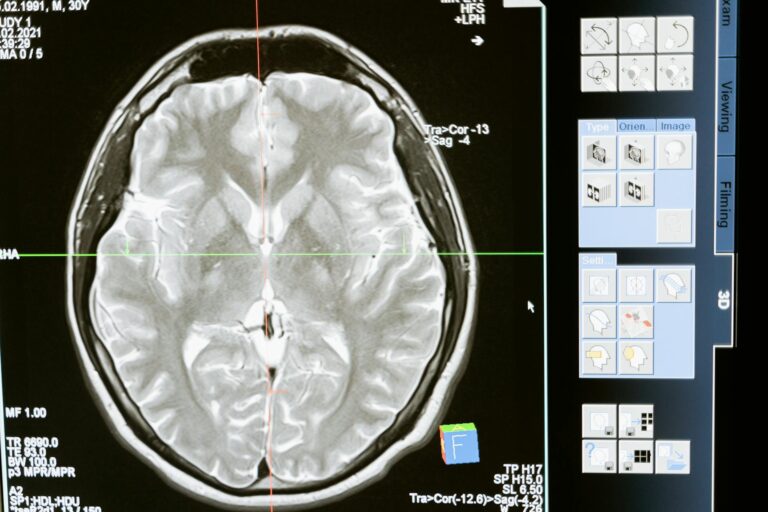
Parkinson’s disease is a neurological disorder that primarily affects movement. It occurs due to the loss of dopamine-producing cells in a part of the brain called the substantia nigra. Dopamine is a chemical messenger essential for smooth, coordinated muscle activity. When dopamine levels drop, the brain struggles to send clear signals to muscles, causing symptoms like rigidity (muscle stiffness), bradykinesia (slowness of movement), and tremors. These symptoms directly impact walking.
One key reason for foot dragging is **muscle rigidity** and **bradykinesia**. The muscles controlling the foot and leg become stiff and slow to respond. This stiffness makes it hard to lift the foot fully during each step, so the toes or the entire foot may scrape or drag along the floor. The slowness in movement means the foot doesn’t swing forward as freely or quickly as it should, contributing to a shuffling gait.
Another important factor is **difficulty in initiating movement**. Parkinson’s patients often experience a phenomenon called “freezing of gait,” where the feet feel stuck to the floor, especially when starting to walk or turning. This freezing can cause one foot to lag behind or drag because the brain struggles to coordinate the timing and sequence of muscle activation needed for walking.
Walking normally requires a smooth, rhythmic coordination between the legs and arms, with each foot lifting and stepping forward in a balanced, symmetrical way. Parkinson’s disrupts this synchrony. The affected side of the body may move less or more slowly than the other, causing asymmetry in gait. This imbalance can make one foot drag while the other moves more normally.
Additionally, Parkinson’s patients often take **shorter steps**. This shortening of stride length is partly due to reduced muscle strength and partly a subconscious effort to maintain balance and prevent falls. Short steps mean the foot doesn’t clear the ground as much, increasing the chance of dragging.
The combination of these factors—muscle rigidity, slowness, freezing, asymmetry, and short steps—creates the typical Parkinsonian gait pattern, where dragging one foot is common. This gait is often described as shuffling because the feet barely lift off the floor and slide forward with each step.
This dragging is not intentional; it reflects the underlying neurological changes that impair motor control. It also increases the risk of tripping and falling, which is a major concern for Parkinson’s patients. Because the foot doesn’t clear the ground properly, it can catch on uneven surfaces or obstacles.
In some cases, the dragging foot may resemble a condition called **foot drop**, where the muscles that lift the front part of the foot are weak or paralyzed. Foot drop can occur in Parkinson’s due to nerve or muscle involvement, further contributing to the dragging.
Therapies for Parkinson’s, including medication to increase dopamine levels and physical therapy, aim to improve muscle control and walking ability. Physical therapy often focuses on exercises to increase step length, improve balance, and encourage lifting the feet properly. Assistive devices or adaptive footwear can also help reduce the risk of tripping caused by foot dragging.
In summary, Parkinson’s patients drag one foot while walking because the disease disrupts the brain’s ability to coordinate smooth, timely muscle movements. Muscle stiffness, slowness, freezing, and imbalance cause the foot to fail to lift fully, resulting in a shuffling, dragging gait that increases fall risk and challenges mobility.